Episode Transcript
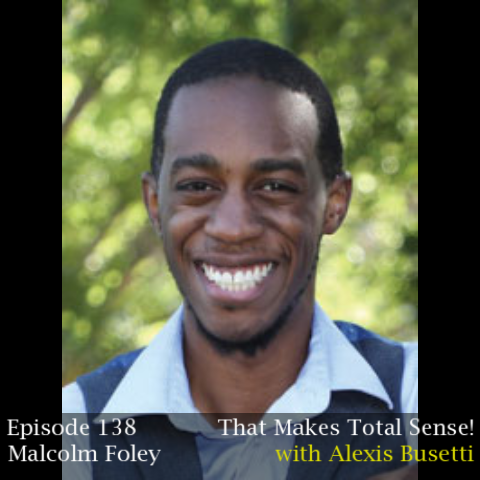
Speaker 1 00:00:07 Welcome to that makes total sense. A podcast dedicated to exploring God's generosity and justice. I'm Alexis. We setting the Christian aiming to ask good questions and encouraging you to do the same. Every one of us is wired by God to live out generosity and justice, but the how sometimes alludes us that makes total sense is a way for us to get together, posture ourselves as learners and challenge one another to practice generosity and justice in a tangible way every day. Welcome to that makes total sense. This is Alexis B SETI, and I just finished recording this incredible conversation with Malcolm fully. Malcolm is a PhD candidate at Baylor university. He currently is on their board of Regents. He is a husband and a soon to be father. He is a pastor and he's a researcher. And we are going to talk about his dissertation topic, which is broadly the history of Christianity.
Speaker 1 00:01:17 And more specifically the history of lynching in America. He focuses on a time period in the late 19th and early 20th century where lynching turned, um, primarily racial and in one of Malcolm's more recent tweets. He commented that he had no idea a few years ago when he started researching this topic, that he would be living it as he was riding it out. And so, um, the conversation is raw today and real it's heavy. Um, but we laughed, but we laughed too. Um, because sometimes we laugh to keep from crying. You'll also hear that in the midst of this, we're recording it at the end of may. Um, we both gave kind of a raw reaction to the news that the police officer who was involved in the death of George Floyd in Minneapolis was, uh, was arrested basically as we were recording this. And so, and so you'll get some raw reactions from both of us surrounding that.
Speaker 1 00:02:31 The point is that we discussed this topic of race as family and the, um, we're family, we're family. And we talked about family history and we talked about family issues and we talked about why this conversation matters so much. And so, um, originally I heard Malcolm on another podcast, which I'll link, um, a Christianity today podcast. And I mentioned how that spurred me on to want to know more into want to do more into want to listen more and talk more. Um, and so I'm hoping that this conversation with Malcolm will do the same for you. I know you're going to enjoy it this episode with Malcolm Foley. Hi, I'm Alexis <inaudible>. And welcome to that makes total sense. Here's the thing I kind of wish we had been recording already for about 15 minutes because Malcolm and I have been laughing, I think we're kind of laughing to keep from crying at this point, um, with all of the news, but I have a guest that I am so eager and so excited to bring you guys because I first heard Malcolm in a conversation he had on a Christianity today, podcast called quick to listen.
Speaker 1 00:03:56 And that spurred me on in the way that I hope this conversation will spur you on. I looked up Malcolm, I looked up his work. I began to read articles that led me to read other articles and, um, and it was a rabbit trail in the best sense of the word. So I am so excited to bring this conversation to you today with Malcolm Foley. Hey Malcolm.
Speaker 2 00:04:19 Hey, Hey Alexis. Thanks for having me.
Speaker 1 00:04:21 Oh my goodness. I'm so excited to have you on the show. So before you tell us about your research topic, which, um, is, you know, get, might gonna make people like we don't, we don't want you to like get into, uh, an accident or something if you're driving or trip, if you're running. So before you tell us the topic of your research and dissertation, just give us a little bit of context, uh, introduce yourself, tell us who you are and where you live and all that good stuff. Yeah,
Speaker 2 00:04:49 Yeah. Um, so I am, uh, so I'm, uh, I'm, I'm a PhD candidate at, uh, at Baylor, um, doing the history of Christianity, um, and finishing that up, finishing that up, this, uh, finishing that up this year. Um, but so in, uh, in Waco, Texas married, uh, for now almost almost six years, um, um, my wife and I are expecting our first, our first child in, In less than two months. So that, that life change is coming, coming quickly. Uh, but also serve as, um, the title is director of discipleship, but that's because I'm on the, I'm on the ordination track, um, at a, at a PCA church plant, uh, in, in Waco and intentionally, um, an intentionally multicultural, uh, church plant. And, um, and so the title is director of discipleship, but yeah, but that's on the, on the way to being co-pastor. Um, but, uh, yeah, that's, that's a little bit, it's a little bit of an introduction
Speaker 1 00:05:50 And you know, what's funny, I didn't realize, uh, that your wife was pregnant and expecting. And we talked a little bit before we started recording that, uh, my husband and I've been married for about almost 17 years. He got his PhD about 10 years ago. But what I didn't tell you, which, which I didn't realize was going to be some context for you is that he actually, we didn't have to have children at the time when he was doing his, uh, PhD work. He literally turned his dissertation into the library the day before our twins were born.
Speaker 2 00:06:23 Whew,
Speaker 3 00:06:24 Whew.
Speaker 1 00:06:26 Like it was not a joke. And so I said, I said, he'd never did an overnighter, but that was the closest one was, was I had gone to the doctor, they were early. We weren't expecting them to come that early. And in fact, the doctor said to me, um, I need you to go home and pack a bag and come back. Um, and we need to, we need to take these babies. And I said, um, I'm really, I'm really sorry, but I can't do that. Um, I said, we don't have, you know, we were actually getting ready for our move to Texas. Uh, cause as soon as he graduated, he already had a job. Right. And so, and so I said, I'm really sorry we can't do that because I I'm, I don't have car seats. Um, and the, the cribs not put together. And, um, my husband, he hasn't turned his dissertation.
Speaker 3 00:07:11 We
Speaker 1 00:07:12 Were going to have to wait on the whole, like having the babies. She's like, I'm sorry, what? She went out of the room, discussed it with the high risk doctor, you know, com came back and said, okay, here's the situation you have to come in tomorrow. Like we're giving you 72 hours from right now to have these babies. And so I was like done. So, you know, I go home, I tell Seth, I'm like, listen, I know you're almost done, but it has to be really done. Let me two hours. And, uh, yeah, so that was, that was his PhD, but it was, it was a God answered prayer because when he was doing it and we were, um, you know, we decided, okay, we want to have a family. It was short to start having kids and blah, blah, blah. And I had prayed that he would finish first before we had kids. So God answered. He just wasn't, I wasn't specific enough That by before I didn't mean like 24 hours before, So you'll be right there. It's, it's wonderful. It's, It's wonderful. That's so great. So two months, and then you have a little bit to finish up your dissertation. So the history of Christianity is your broad topic. What is your dissertation on? I warned you guys, what's your dissertation.
Speaker 2 00:08:33 And this is, I mean, you know, this is its own journey because I, I, when I, when I started, I thought I was going to do work on, um, Calvin and the early church fathers. And so that's what I actually spent the first kind of year or two of the program doing. But, but, but my dissertation is specifically asking the question of how did, uh, how did, how did black Protestants in, in the lynching era, how did they affirm their own dignity and, uh, how, how do they affirm their own dignity in, in a world that was essentially poised for their death? Um, and not just any death, but I, but a profoundly brutal and public death. Um, and for literally at, and for literally any reason, um, there were, there were cases where, um, someone is someone's accused of a crime and if they CA and if the mob couldn't find that person, they would go after that person's family, um, where your, where your life, um, where your life is in danger for you just being, even marginally associated with someone who's accused of something. Um, the, the, um, the kind of haphazardness of that, of that, of that entire period of time, I think specifically in the late 19th and early 20th century, um, creates a culture and an atmosphere of terror that requires, um, it, it requires you to consciously beat that back with hope. And so my, so my question is like, how did that, how did that happen? How did, how did particularly, um, black Protestants handle that?
Speaker 1 00:10:11 Wow. And you're specifically looking at the timeframe of the late 19th and early 20th century.
Speaker 2 00:10:21 Yeah. So specifically like late 1880s to 1919, because that's the worst, that's essentially the worst, the worst period of time for lynching. Um, it continues, but the, but the, but the height of it is that, is, is that particular period.
Speaker 1 00:10:37 Can we, we're, we're gonna, we're going to give a little bit of an appetizer for later in the conversation, but can you, can you tell everyone what you tweeted about your dissertation topic?
Speaker 2 00:10:53 Yes. Um, I said that when I, when I sat down to write my dissertation, I just thought, um, oh, like, let me just kind of ask the question of how black Protestants affirm their own dignity and, and, and hope in the midst of a lynching culture. And then, especially over the course of these last few weeks, I've had to think, wait a minute, I'm actually living, I'm actually living this dissertation, right? Like, I'm, I'm actually, I have to ask those questions of myself now, how do, how do I, and especially as somebody who's, who's, co-leading a church, how do I, how do I, how do I do this for, for our, for our congregation? How do we maintain hope in a, in, in, in, in a, in a culture that seems to just feed upon our death. Um, and so, uh, you know, so I've, you know, done a lot of the work of looking through kind of the different, the different ways that it's been done in the past, but now I have to do the work of big, I mean, I had planned to do this work anyway, thinking through, okay, well, who's right.
Speaker 2 00:11:57 But now I am like, now that's a, that's a very, very urgent, it's a very, very urgent question. Right,
Speaker 1 00:12:03 Right. So can you define, let's go back and let's, can you, I want you to just define the term for us define lynching, because it's something that I will say there are going to be people who, and I'm specifically talking about white Americans right now, there are going to be some white Americans right now, who, for whom that term is very foreign, or it feels very foreign, or it feels very old, like antiquated. This is not the term. And then, um, last month when the, the murder of a mod arbitrary became public, this was a word that popped up all over social media, I would say specifically. And I'm thinking there may be people who are confused and don't understand why this term is coming up again, thinking it was only a historical term with a historical context. Yeah. So can you define lynching and maybe give a little bit of the history of it, and then when you're specifically talking about black Protestantism in that timeframe, um, when did the shift happen where it specifically became very racial, racially centered and motivated?
Speaker 2 00:13:28 Yeah. Um, so the term, the term itself. So if there's, I mean, the first thing to know about even the term of lynching is that it's, its definition has been fought over for a very long time because it's, its primary power is in its rhetorical power. People hear the word and, and initially, and, and immediately images pop into people's minds. Right. And that's a good and that's, and that's a very, very good thing. Um, uh, in the sense that, um, well, the history of it is it is important. So the, so the, so the practice, I mean the term refers to essentially any kind of extra judicial punishment. That's meted out by, uh, by a group of people who claim to represent a community. Um, and there's often the expectation that, uh, that there won't be any kind of prosecution or anything like that. Right.
Speaker 2 00:14:19 Um, because the expectation is, you know, we're doing this on this, we're doing this on behalf of the, on behalf of the community. So, uh, Manford, Berg, the story has, uh, a book on lynching called, called popular justice. And the, and the, um, when, when we think of the beginning of the practice going, going back to even like the revolutionary war, um, that's, that's the way that it often manifested itself. So, um, so in the revolutionary war, there's a, there's a militia, uh, in Bedford county, Virginia, it's led by this guy named, named, named Charles Lynch. And he made a big deal out of kind of tracking down law breakers to fled the law. And he called that, he called that linchpin. Um, that is, that's one of the origin stories of the term, but the, but the practice, I mean, the practice went from the revolutionary war kind of through the 19th century.
Speaker 2 00:15:13 It's just kind of, it wasn't, it wasn't, it wasn't always killing. Sometimes it was just tarring and feathering, public shaming. Um, those were, those were lynchings. Um, but it's in the late it's in the late 1880s when this big, when, when lynching essentially becomes, uh, mostly fatal and, and mostly racial and mostly racial. Um, and so in the, in the late 1880s, after, after reconstruction, after reconstruction and, um, largely because of, of widespread racial violence by groups like the Klan, um, and others, we have this period of time that's called, uh, that's called redemption where specifically Southern Southern whites take essentially take political power back in the south. And, and during that time, you see a, you see kind of unprecedented levels of racial, of racial violence and in the late 1880s. So up, up until that, up until that time, you have both, both white and black and black people being, being, being lynched. Um,
Speaker 1 00:16:20 Where are they being lynched by white people and black
Speaker 2 00:16:22 People. So, so, so you have an well, and here's the thing. Um, I mean, even, even up until this point, you have, you have, uh, you have black people who are, who are lynching black people as well. Um, because they're especially happening in, in communities where, where they can't trust, where they can't trust law enforcement. So for example, if, if within, if within a black community, um, someone, someone rapes a woman and the community knows this guy is not going to be held accountable because the cause law enforcement is white and they don't care, and they're not going to do anything. So we have to do something about it. When, when, when white communities are lynching black people, and this comes in, this comes in later in the 1880s, 1890s. Uh, it's not because of us. It's not because of a lack of faith in the justice system that the justice system isn't going to do anything, right.
Speaker 2 00:17:14 The statement is that the justice system is not going to act in the way that we want it to, and it's not going to act quickly enough. And so, and so, so, so basically we're going to guarantee, we're going to guarantee that this, that, that this, that this person suffers, regardless of, regardless of trial, regardless of whether or not this person is guilty or not, we think he's guilty. So we we're good. So we're going to, so we're going to do what, what we think needs to be done. So, um, but in the, in the late 1880s, the number of white people being lynched drops and the number of black people being, being our skyrockets to the, to the, to the point where, uh, upwards of 70% of, of Lynch victims after 1887, uh, are black. Um, and that's also the time when you start to see the spread of narratives about, uh, particularly black men as kind of black beast. Rapists is the, is the, is the term that is the term that's thrown around. Um, and so when winch and continues through the nineties through the, through the 19 hundreds and through the 19 teens, um, whenever someone asks a Southern apologist, Hey, like why is lynching happening? They say it only happens because of rape. It's only because of rape. That's why these communities are responding in this way. Um, and folks like, I like Ida B Wells and others were, or integral to dispelling that, that myth. Um,
Speaker 1 00:18:37 But when you, I'm sorry to interrupt, but when you say it's only happening because of rape probably need to specify. I think my assumption here is it's, it's not the, uh, they're not saying, well, these black men are raping black women. They're raping white women is the accusation, right? Because again, they wouldn't care that, you know, the, the lynchers wouldn't care just like the law enforcement wouldn't care, presumably if black men were raping black women,
Speaker 2 00:19:05 And this is a particular, I mean, it's, it's, it's something that, um, that I'd be Wells even brings up, particularly because you have, I mean, you have a much longer history of white men raping black women. Oh, absolutely. Definitely doing so with impunity. Um, this is, this is a lot of what the history of slavery.
Speaker 2 00:19:23 Um, and it's, it's, it's interesting. Just kinda, just kinda as a point that you, you, you have this kind of, you have, you have this historical period where there's where there's a possibility that after the civil war, that, that essentially that white men could actually be held accountable for these, for these things that they've done and that, and, and the narrative has shifted from, okay. Um, uh, there's the kind of black female Jezza Jessebelle, um, that, that narrative, which was prominent during slavery is then is then moved on to essentially black men are, are now the, are now the primary sexual threat. And so in order to, in order to maintain, like I said, just the structure of the white supremacy, um, race, sex, and gender are, are just deeply, deeply intertwined throughout, throughout all of these conversations.
Speaker 1 00:20:20 Right? So they say the Protestant leaders at that time, the white Protestant leaders at that time are saying, this only happens in the case of rape.
Speaker 2 00:20:30 So everybody's, so that's what, that's what essentially, that's what, that's what, that's what most people, that's what most white folks in the, in the south are saying. And I'd be well. Yeah, well, yeah. And I went well and Ida B Wells in 1892, um, you know, from, from that time and onward, um, she is constantly saying that is, that, is that like, that's just objective, really untrue, right? Because for her, um, she, she gets into anti-lynching activism because she is, she has some friends in Memphis and when she's away, um, three of her friends are lynched and she's used to the narrative that this only happens because of rape. And she knows these. She knows these guys. She's like, I'm pretty sure none of these, none of these guys did anything like that. And so they, so, so when she goes back to Memphis and investigate, she finds that it's actually because, um, there, there, there, there was an essentially an economic dispute between these three men who own this black owned grocery store and a grocery store across the street.
Speaker 2 00:21:32 And because of an altercation that happened because of that, that's why they're taken out into a field and, and, and shop. And so then she starts investigating other, other lynching cases. He's like, wait a minute, wait a minute. A lot of these, a lot of these accusations of rape are actually just contrived. Um, not only that, but some of these are like consensual relationships between a white woman and a black man and, and what should, and she seems says in her editorial, she's like, apparently people in the south have just no imagined like no category in their imagination for that being a consensual relationship. It's, it's, it's even in thrown in law that, that just sexual relations between a white woman and a black man are rape. Like we have been try and trying and law. And so, and so, um, and so that's, so she's, I mean, she's, she's just a personal hero of mine, but, but, um, as one of the people who's kind of integral to dispelling those kinds of narratives, historically, she's, she's central to that, but that's a little bit of the history. That's just a little bit of that.
Speaker 1 00:22:40 And as you were talking and giving the definition, uh, we, we have to, we have to make the jump. We have to make the jump because I, and, and I, I want to, I'm going to, I'm going to ask you to speak to two of the incidents lately, two of the murders of late, I'm going to ask you to talk about a Marbury in the context of lynching, but I'm also gonna ask you to talk about George Floyd in the context of lynching, because when you were describing the definition yeah. We've, I feel like the conversation has already begun about a modern Arbery in that context of lynching, but when you were describing that George Floyd is who came to my mind first because law enforcement was responsible, but they were not acting lawfully.
Speaker 2 00:23:44 Right.
Speaker 1 00:23:45 So, I mean, can we go there? I said before we started recording, nothing was off limits, but I meant for me. And so can you just, just, just preach a little bit,
Speaker 2 00:23:57 Well, I mean, one of the differences between the two is, and look at, we can look at this, even in thinking of kind of the history of the way that, um, of the way that the police have, the way that the police function, um, in the sense that, um, there's a sense in which, I mean, black, black communities, and this is, and this is one of the things that, all that, all that always comes up whenever police brutality has protested, um, is that there's, there's unfortunately never been a time in American history. I think it was, I think it was van Jones who said this I'm pretty sure it was. Um, but, but, but, but basically there's, there's, there hasn't been a, there has been a period in American history where, uh, kind of the policing system hasn't been weaponized against black descent, particularly, but this wasn't even a case of black Duset. This was
Speaker 5 00:24:52 That's <inaudible>
Speaker 2 00:24:54 That's outside of the, outside of this,
Speaker 1 00:24:57 When you use weaponized. I mean, we can't, we can't even talk about Amy Cooper and Christian Cooper
Speaker 2 00:25:03 That's and that's its own C okay. So they're great. They're like three different, three different things that just kind of all, all coalesce into the, uh, into the, into the history of lynchings and each of these three, each of these three case cases are paradigmatic of, of different, of different aspects of it. Right. So Ahmad, so, so with w with a mods case you have at root, the assumption that any white citizen has the, has the authority over, over black life fundamental lynching, right. Um, in, in the, in the case of Amy Cooper, you have the, you have, I mean, you have essentially her knowledge that it, that it places a black man in danger to say that he is putting a white woman in danger, right. That's uh, that's, that's, you're, you're, you're, you're digging you're, you're, you're essentially digging your heels into something that has deep and profound historical precedent, and it, and it ultimately leads to the extinguishing of blackmail life.
Speaker 2 00:25:58 Third of all, in, in, in, in the case of, um, it, in the case of George Ford, you have, you have, you have, uh, police officers who, who just operate with, with impunity. There's a, there's a, there's a, there's a, there's a sense in which they many feel that they can do whatever they want and nobody around them is going to stop them. And it's just, that's, that's a, that's a specific abuse of power, abuse of power situation, all of these, and, and, and, and the history of lynching is essentially a coalescing of all of those, of all of those factors have all of those factors together. Um, and so, um, and so what, what, what we've seen particularly in the last, uh, in the last few, you know, in the last few weeks is, is that all of these, all of these things are, are, are elements of the same, are elements of the same history.
Speaker 2 00:26:49 And so for, for a number of black people in this country, like, we don't need to see, we, we don't need to see video to know that that's true. Uh, we don't need to, you know, read articles about it, to know it is true. This is, this is, this is something that this is something that we've, that we've known to be true for, for a century. Um, and, and it's, and, and yeah, so th this is, and it's, and, you know, going back to something that you were saying before, um, it's profoundly, it's profoundly tiring, it's profoundly tiring and, and, uh, and traumatic to, to, to constantly take assault after assault, after assault, after assault, um, and to, and to constantly, uh, you know, to, to, to wrestle with, to wrestle with the idea that, that you're, that you're safe, that your safety is never Garrett, that's, your safety is never guaranteed. I mean, there's a sense in which we all kind of know that intellectually, but to have that thrust in front of your face constantly over and over again is, is, uh, is a, is a profoundly traumatic experience,
Speaker 1 00:27:49 Right? So I was, I was having this conversation this morning. Um, I recorded a podcast, um, with actually, he, he also lives in Waco and, uh, owns, uh, a therapy clinic in Waco. And we were talking about, um, uh, his name, Gary Wardlaw, and he owns a, the relationship clinic in Waco. And, um, he and his wife Is employed by Baylor actually.
Speaker 1 00:28:19 Yeah. Um, so they have, uh, they're talking about how they've kind of reentered this race conversation again, after being so tired for so long. Um, and so one of the things that we talked about this morning is, is that when you, when you say we don't need a video, black people don't need a video to know this is real right. And, and I've seen the will Smith tweet, you know, over racism, isn't getting worse, it's getting filmed, right? Like, this is, this is the sentiment, but I want to move into for a moment, a different space of the family history aspect of it, because in the conversation I had with Gary, I was saying, but I think that for, and I don't, I'm not going to sit here and speak for all white people or something like that. But I'm saying that I feel like the sentiment is when a black person talks about racism, white supremacy, microaggressions, white privilege, anything like that, that the sentiment I feel like I have heard over and over again for years now is not exactly it's in your imagination, but it's in your imagination.
Speaker 1 00:29:34 Right. Which is also very tiring. Right. But now that it's getting filmed, now that it's getting media attention, now that all of these things are happening, I'm also hearing a lot of white believers step up and say, oh my goodness. Yeah, I am being awakened. I am hearing the signals. I'm seeing the signs and they want to pray. They want to act, they want to engage. They want to do these things, which is a whole, which is a whole other topic. But I would say how, why, why is what your doing your research in the history of lynching? Because right now I feel like we can plainly see you are my brother. This is a part of our family story right now. And I think that there is an importance for believers to get especially white evangelicals to get our minds around that idea. But I really want you to, I want you to talk about that, but I really want you to talk about why the history of lynching, the history of white supremacy, the history of slavery, the history of your question, how do black Protestants in this time, and that time frame affirm their own dignity.
Speaker 1 00:30:59 When so many people are poised to see their death, why is that an important aspect of family history? How can we live that out as believing family?
Speaker 2 00:31:13 Uh, okay. So there's, there's a lot. I I'll just, I'll hit a few, I'll hit a few things when you can follow up with follow up with questions. Uh, uh, so Christina admin said a friend of mine, uh, just recently, this is, uh, may have been a week or two ago. I
Speaker 1 00:31:30 Love following her.
Speaker 2 00:31:32 She's wonderful. And there's, and there's a, and there's a phrase that she used that I told her, I'm going to repeat this all the time. And she said that, uh, basically one of the things that our nation suffers from, she said deeply for deeply fermented racial sociopathy and, and, and that, and so, and there are, there are some aspects to that. There's the, there's the depth, there's the depth of the fermentation that this has been, that this has been centuries in the making, but racial sociopathy. I mean, what sociopathy points to is specifically, not just, not just a lack of empathy, but a refusal, but a refusal to empathize That, that, that part of, um, part of, one of these, like part of this issue is that, um, and this is, and this is also part of, part of the history that I'm looking at is that black Christians have been, have been crying out about this kind of thing forever.
Speaker 1 00:32:29 Right.
Speaker 2 00:32:29 And it's just people don't listen. And so, and so the fact of that, so the, so the fact of the matter is, is, is maybe you, like, maybe you a video, there are people who do need big people who do need a video, because they're not going, gonna listen to otherwise. Um, but, but that's not, that's their problem. Um, and that's, and that's something that, that's something, that's something that they need to repent of that big, that not only that they're, that they're, that they're that their ears, that there's, uh, there's there is such thing as, as a morally culpable ignorance. And so, um, there, there are, there are some things that we just don't know because we just don't know. And that's, and there's, and there's an innocence there, but then there's, but then there are also things that we do keep that we actively keep ourselves from knowing.
Speaker 2 00:33:16 Right. Um, and so, and particularly the history of racial violence is one of these sisters. It is one of these histories that we don't want, that we don't want to know. Um, we don't want to think about the Tulsa race riots, right? We don't, we don't wanna think about the Atlanta race riots to 1906. We, we don't, we don't want to think about these cases when, when an incident happens and then just groups of white people just go through and slaughter black people and burn buildings. I like that. We don't, we don't want to think, we don't want to think about, we don't want, we don't want to think about those things. Um, yet, um, if, if we're going to heal, if we're going to heal, we must, we must think about those things. I think of a, I think of another quote from, uh, from Malcolm X, who I'm, who I'm named after, where he, uh, where he refers to somebody, has somebody asked him, uh, whether he's seen progress.
Speaker 2 00:34:14 This is in 1964. And he says, and he says, no walls up by saying, um, you know, if you stick your knife in my back nine inches and pull it out six, that's not progress. If you pull the wound, if you pull the knife out all the way, that's, that's not progress, progress is, is, is healing. The wound that's been made. Um, and there's some people who not only haven't even taken the knife out, but won't the, it won't even admit that the, that the knife is there. And so, and, and, and if we're to be, if we're to be in the business of healing, because that's what I mean, that's what the work of the comes with the work of the gospel is that's what Christ's work of salvation is as a work of healing, if we're to be, if we're, if we're to be about that, um, we have to recognize, we have to recognize and acknowledge wounds, um, because, because, because the longer those things lay untreated, the more they fester, because time doesn't heal. Cause time doesn't time does not heal racial wounds. Um, Tom doesn't really heal any wounds, um, and so treatment by treatment. Um, and so, um, and so that's, that's, uh, broadly as broadly the point. And you know, when, when, when our brothers and sisters cry out and others who claim to be their brothers and sisters don't listen, that's, uh, that's essentially, that's, that's a re that's a reopening, that's a reopening wounds,
Speaker 2 00:35:48 Reopening of wounds. And so when I, this is a conversation I have with it, with a number of, of, um, other, other, other black men who speak on who speak on this kind of thing, the reach there reaches a point in, especially in, in continuing to speak about these things, where when you meet up with enough resistance, that just calluses you to interaction in general, this happens to, this happens to, uh, to people throughout the civil rights movement, where they're reaching out, they're reaching out to fellow white pastors and others, and they just keep hitting up against walls. Sometimes there's gets to a point where they're just like, okay, I'm not gonna try anymore. Clearly we were the only ones who were going to care. So we're, so we're the, so we, so we've just got to focus. So we've just got to focus internally.
Speaker 2 00:36:35 That's where, um, that's where some, as where some folks run to, you know, run to resources like, like black nationalism and others, but it's not just, it's not, it's not because of hate. It's often because of frustration with, with hitting up against, uh, just walls up of in difference. Um, and so that's, that's, that's an, that's an important part of this, of this, of this story, because, um, that it, it's one of the ways to deal with that as if we actually do think of one another as family. Um, because then we recognize, as Paul tells us that when one part of the body suffers all suffer, right. When that is the case, um, then particularly the church can be a different, can be a different witness to the, to the world, to the world around it.
Speaker 1 00:37:27 Right? Th this is, um, recently I read, um, <inaudible> book compromise, which was incredible and hard and heavy and is very good, but, um, honestly, Jomar is a great, uh, writer, but it's almost worth Lecrae's forward is almost worth the price of the book. Just, I, I, uh, I, I go back to grad school next month actually. And I told my husband, if, if I could write, if I could learn to write, I was not even through the forward yet. And I'm like, if I could write half as well as the Cray, by the time I'm done with this degree, I'll be thrilled. But, um, but Jomar calls it, um, it's, it's now I'm forgetting the phrase that he uses, but basically it's a survey, it's a historical survey, right. I think is what he calls it and truly that's what it is. But I think it's a good starting point for a lot of Christians to understand our, our shared history is kind of what I want to say, but how our shared history is so incredibly divided. And if you, if you don't open your eyes to it, if you, if you think, oh, this is just what's being filmed or whatever, you don't realize, the deep fermentation part of it, you don't realize this is something that's been sitting
Speaker 1 00:39:02 For hundreds for hundreds of years.
Speaker 2 00:39:07 And the nature of it is that, and, and, and, and added to that, is that it doesn't, it doesn't just sit. And this is, this is, this is a point that, uh, that Jamar also makes is that, um, uh, racism, adapts. And so, um,
Speaker 1 00:39:22 And evolves is what Gary said this morning. Same, let's say it's, it's all of it. Yeah.
Speaker 2 00:39:26 Yeah. And so, you know, you even, even when we look at kind of the abolition of slavery, which required a profoundly bloody war, um, that was a war over slavery, not a war about racism. Um, and so, and so,
Speaker 2 00:39:43 And so, and so even, even when chattel slavery and, uh, it then pops up in other ways like the convict leasing system and others. Right. Um, because I said slavery was, uh, w was a symptom, um, the history, when I, when I tell people about kind of, kind of the history of even, even racial chattel slavery, um, it doesn't begin. I mean, it doesn't be the Portuguese don't take African slaves because they're black. Like, that's not, that's, that's a category that enters after the fact that they, they think they take African slaves because it's lucrative, right. We'll make a lot of money. And then you've got to find ways to justify that to the Pope. And he was like, oh, we're trying to Christianize them. But then that'll only that doesn't work for very, for very long. And so then, so then it turns into, oh, well, we're, we're, uh, we're civilizing the, these, these savages, um, because their blackness is a sign of savagery and all these kind of things.
Speaker 2 00:40:44 And so, and so those narratives then start to take root, completely divorced from the fact that the only reason that people are repeating these things is because they want to make more money. Um, and so, and that's a, and that's a hist and that's a, and that's a history that then just continues. What, what, what, what, what, what was that the root of slavery was then at the root of the convict leasing CISM SIS system was then at the root of, I mean, you have other historians that trace the economic roots of lynching and things like that. Um, and, and I mean, it, it, it goes on, it goes on and on like that. So,
Speaker 1 00:41:20 So when you, when you talked about, even in your, um, in your question for your dissertation about affirming their own dignity,
Speaker 1 00:41:37 I had, um, a dear friend of mine who also is a pastor and, um, happened to be a guest on the podcast a few episodes ago. And when he talked about marriage, so I'm going to introduce it this way. When he talked about marriage, he, um, he talked about one of the major aspects of marriage being fighting for one another's dignity, which I thought was extremely profound. Um, and it's, it has stuck with me. And when I heard you use that phrase, how do, how did, and now I'm saying, how do black Protestants affirm their own dignity in a world that is poised for their death? But now I want to ask you in this context of family history, in the context of family relationships to now, how do white Christians who will never be put in the position of a black American today? How can white Christians affirm the dignity of their black brothers and sisters?
Speaker 1 00:42:47 How can white Christians also in this may be two different questions, but I think they're related, how can white Christians share in the sufferings of their black brothers and sisters? What can they learn right from, from the sufferings of black brothers and sisters? I saw, and I G live with, um, Charlie dates, I think, um, and Beth Moore. And she read a scripture from Hebrews 10 about being a compassionate companion. So it's kind of along the same lines, but I guess kind of, can you talk in that space? How do we affirm the dignity of, of black Americans, of black people, not just Christians, and then how can we share and learn in the sufferings?
Speaker 2 00:43:39 One of the things that, um, one of the things starts with the assumptions that we approach the world around us with, I think about this, particularly when we think of how we think of crime statistics, specifically, when, when, when I see in, when I, when I, when I see the fact that black men are overrepresented in our prison population, I can take that data in a few directions. I can take that data to mean, well, black people are just black people just commit more crimes sure. To do so. Uh, but then after I make that conclusion, I can think about what is it that makes me willing to make that move in the first place, Because, because
Speaker 1 00:44:31 You have to be intentional, they think that it
Speaker 2 00:44:33 Is, it is. And th and this is, and this is, and this is what it requires. This is, this is this, this is one of the, this is kind of one of the things that I, that I think is at the root of particularly anti anti-racist work, because there has to be, there has to be an interrogation of what, of what I fear of, of kind of what I think makes sense, because basically that's what, that's what, that's, what that's, what has to happen. Because, because when I see, when I see something like, uh, like a Marbury's case, there is, there's nothing in my mind that requires me to ask the question of will mate, or, or to say something like, oh, well, maybe he did something like, maybe there was like, there, there must have been something that there must have been something that he did to deserve that, or whatever at, at root, there has to be the knowledge. He's like, no, nobody does anything to deserve. Like, just as a human being, this is no
Speaker 1 00:45:30 Right.
Speaker 2 00:45:31 But, but there needs to be. But, but, but, but, but unfortunately the fact of the matter is, is that we have for, for decades and for centuries sat under narratives that, that have, that have shaped what we think is plausible.
Speaker 1 00:45:45 Right.
Speaker 2 00:45:46 And so, and, and that has been that's and, and, and that's, uh, that's been, uh, that's been a racialized that's, that's been a racialized reality. Um, there are be like when, when, when, when, when white parents and black parents talk to their kids about interactions with the police, like those are different. Those are different conversations because the, because the history is different and, and we there's there's, this is, uh, this is, this is another point for, uh, black families have had to know how white people operate in order to survive. Why people haven't had no such there's been no such kind of requirement. Um, we just, I mean, we do what we want and like, what other people, I mean, other people can live their lives, but it's not necessary for us to live that we know how others live. Um, and so, and, and so there's a, there's a, there's a sense in which, um, black, black communities and other, and other racialized minority communities have been forced into a kind of empathy that, that, that, that just, just for the sake of survival. Um, and, and, and so, and, and, and to, to recreate that kind of ethos, particularly in, uh, in white communities is, is something that is going to require generations of work, because it took generations to get to the point where that's, it's completely foreign to some people. Um,
Speaker 1 00:47:13 It's, it's, it's completely foreign. And I think when you're talking this way, I can see the paradigm, but the issue is, is so deep because just to talk about the crime statistics there, it would be, I'm imagining now the conversations. And I feel like I'm like, I I've, I'm imagining the conversations, thinking this is just an assumption that someone is not even going to be willing to move on that. Right. Like they say, well, the prison population is greater because they can then work. It's a cause and effect situation for many people's narratives in their own mind. This is just, it's just, uh, it's a complete cause and effect like,
Speaker 2 00:48:02 Yeah, yeah, no.
Speaker 1 00:48:04 And how do we get the, I mean, you know, it's like, you're, you're right. It's, it's, it's, it's, it's generations of this deeply fermented,
Speaker 2 00:48:14 So tiring to fight.
Speaker 1 00:48:15 Right.
Speaker 2 00:48:16 So deeply, because it's so deeply because it's so deeply ingrained like this, and this is why like, um, so, well, I mean, Tanase coats is, it is explicit that like, when he writes his stuff and does his work, like, he hope, hope isn't, isn't part of his framework. He does not agree. You're not a Christian and he's not unlike he's, he's, he's, he's operating from a sandwich, like, well, like, I don't know if things are gonna change, but like, I just feel like we have to do this work anyway. Right. As, as Christians though, not only ought, we be more committed, more committed to this work, but we actually have the most resources to be able to continue to be able to not only continue in it, but to, but to, but to keep, but to keep going, even in the midst of disappointment, because, because we operate under the, under the assumption that, well, it's not just, it's not just me, who goes my neighbor by actually God loves people.
Speaker 1 00:49:10 Right.
Speaker 2 00:49:11 So, and, and, and, and not only that, but justice, justice, doesn't just depend on my action.
Speaker 1 00:49:19 Amen.
Speaker 2 00:49:20 This is, this is something that like, it may not happen in my lifetime. It may not happen in my, in my child's lifetime or my grandchild's lifetime, but Jesus is Jesus is going to do it.
Speaker 1 00:49:30 Amen.
Speaker 2 00:49:31 And so, and so, um, and, and, you know, and I, you know, I told, I, I, I told my church this, uh, yesterday, I'll tell them this again. Um, this coming Sunday, but like, uh, you know, th the reason, the reason why the book of revelation is so bloody and disturbing is the fact that like, Jesus does not play games with injustice. And so, and so like, so, and, and why the songs like you get some furious songs. I was like, because there's a recognition that God, God hates evil, right. All the game. And so the, the, the, the, the, the people of God need to be discipled into a state where they, where they, where they love, where they love good and love justice, and hate evil, and hate injustice, and thus are then willing to, to, to, to, um, to decipher it and to root it and to root it out. Um, and, and the fact of the matter is, is that for, for, for, for many throughout the history of American Christianity, people have been too, people have been too guided by self-interest, um, by self, by kind of, uh, self preservation and maintaining their own kind of positions of positions of authority and stuff, and have, and have ignored and have ignored the cries of their brothers and sisters.
Speaker 2 00:50:59 Right. Um, and so until those priorities, until those priorities shift, until, until we actually do take upon ourselves, the mind, the mind of Christ as Paul talks about it in Philippians two, which is fundamentally one of humility, and one of setting others interests above our own, until, until that's the case, then we're just going to sit, sit in their assumptions and just think, oh, there's no need for me to move. And people will continue to die. And that like that that's, those are the stakes, right. If human human, human like people's lives. Um, and so this is, yeah. And, and, and, and, and so, so, uh, yeah, that's where
Speaker 1 00:51:40 I just, I kind of like, I'm like, I think we need to stop, and I'm going to put on a t-shirt Jesus does not play games with injustice. Like, you will only see me tweet that every day from like Malcolm fully, Jesus has not played games with injustice. I just want to get loud for the folks in the bad guys. Jesus is not play games with injustice. You want to know our revelations bloody best.
Speaker 2 00:52:05 Yeah. Like the male and the white horses too. His name is whose name is faithful and true, uh, who true treads, the wine press of the wrath of God. Like, that's the trend,
Speaker 1 00:52:19 The sword strapped to his thigh.
Speaker 2 00:52:23 Yeah. Like it's, it's because like it's because, I mean, he came, he came and he came and died for his people and that's, and he will complete that salvation. Well, finish it. Can you say, he's he even, even at that, even at the right hand of the father, I just imagined, I just imagine that the debt, the debt that the son is seeing his people suffer. And he's basically saying, when, when do I get to, when do I get to come back? When do I get to get to set all this straight? Um, and so, and so when we, so when we, when we kind of continue in this fight, that's the image, that's the image that has to, that has to it that has to push us forward because otherwise, otherwise, otherwise you're literally striving against the wind. Like, this is something like, this is, this is, this is the kind of, this is the kind of battle that can be deeply discouraging.
Speaker 2 00:53:14 Um, it's the kind of it's, I mean, what, I mean, what you see in, in, in the protests, in, uh, in Minnesota and elsewhere is your, I mean, what you're seeing is frustration. Um, and, and you're seeing frustration, not at a single event, but at it at, just at just decades and centuries of systemic injustice. Um, and, and, and so, and, and, and the only way, I mean, the only way to really fight that back is with it is with a shore hope. And for me, I mean, that hope is in the resurrection, that hopes in the resurrection of Christ.
Speaker 1 00:53:50 Right. Right. I mean, we, I think about the images, um, that I've seen and now forgive me, because I'm going to, I'm going to forget her name. If I don't pull it up right now, and I'm going to be completely embarrassed about it, I'm already embarrassed. And I have to look it up, but the, the, the blue eyes, brown eyes, uh, ladies who I'm trying to think of Jane Elliott and, um, you know, the videos that we keep seeing of would stand up. If you're white, stand up, if you would want to be treated in the way that black Americans are treated today. And this is, she didn't record this yesterday. And I think that fighting for the dignity of our black brothers and sisters fighting to affirm their dignity means even when there's a different news cycle next week, If there's a different news cycle next week, that I, because going back to this, this being in your imagination, because the microaggression, the racism, the white supremacy, the, all of the things it's in black people's imagination. It's easy to say that because if someone looks like me, they can choose to forget about your dignity. Next week, when the news cycle changes, when you said black people have to know how white people operate in order to survive,
Speaker 1 00:55:41 But why people don't have to know how black people operate in order to survive. But Paul says your survival is key to my survival.
Speaker 1 00:55:53 And so we need to get into our heads that I do need to know how you operate in order for me to survive, because we're deeply connected in Christ. And if you are dying, I am dying. This isn't hyperbole. If you're dying, I'm dying because we're deeply connected in Christ. This morning, I was reading John 15 when Jesus talks about being the true vine. And if you're not abiding with him, then you're going to be dead earned somewhere else, because we have to be connected to him in order for our own survival to happen. But he died so that you and I could be connected and become one new man and drop down all the inventory that is between anybody and any group that ever existed. And so your survival is key to my survival.
Speaker 2 00:56:56 Absolutely. Right.
Speaker 1 00:56:57 Because we're family.
Speaker 2 00:56:59 Absolutely. Right. And, uh, there was just breaking news. So this is, this is, this is, this is lives. This is good. This
Speaker 1 00:57:06 Work, that's what lit up my phone does. Now
Speaker 2 00:57:10 We're going to, we're going to live, react to this together. So the charges are our third degree murder and manslaughter.
Speaker 1 00:57:21 I'm going to need you to reread that and tell me the correct version, please.
Speaker 2 00:57:27 So
Speaker 1 00:57:28 We're talking about George Floyd right now and the, and the officers. So earlier, before we started recording, Malcolm said, oh, they've arrested the officer. And I said, gee whiz. They did. I last, I knew he wasn't even in Minnesota anymore. Cause I've, I've been offline this morning having different conversations that look like this. So I need you to read, I need you to read that again and tell me what actually it says,
Speaker 2 00:57:52 As says, Derek Shovan has been charged with third degree murder and manslaughter
Speaker 1 00:57:57 Is third degree murder, even a thing.
Speaker 2 00:57:59 I think so. I mean, it's, it's an, it's an intention. So, so, so third, so third degree by, uh, by, by definition, Minnesota law originally defined third degree murder solely as depraved heart murder, which is without intent to affect the death of any person causing, causing the death of another, by perpetrating an act eminently dangerous to others. And evincing a deprived mind without regard for human life. So it's the, so, I mean, third degree is the unlawful killing of a human being, but without any, without any designed to affect death by person engaged in the perpetration of any felony, any felony, other than some other felony, um,
Speaker 1 00:58:47 Alright. Library act.
Speaker 2 00:58:49 Oh, well, it's just, there's, there's the issue of, um, just the way that, uh, how intent, how intent is understood, um, because the fact of the matter is, is that, okay, well, we'll, we'll make this a well it's, we'll take this, we'll take this all the way. Um, when, when we talk about this is like an issue of like, when we talk about David and Bathsheba and call it, because the fact of the matter is is that those in those in positions of authority
Speaker 2 00:59:35 Have more responsibility and more opportunity to abuse that power. And when we see abuse and when we see abuse of that power, that person needs to be held, and that person needs to be held accountable to the full, to the fullest extent of the, to the fullest extent of the capabilities that we have, because there needs to be this understanding that, I mean, the more, the more power you have, the more opportunity you have to screw it up. And the, and the more, and the moral, the danger you can possibly be. And so, and so, um, and so people need to it's, this is, this is just part of what it means to be. This is part of what it means to be held accountable. Um, when you realize when you are, when you are told by the society around you, that because of your increased, because, because of your increased influence authority or whatever, that also means the consequences are going to be more dire for you, if you screw it up. And, and, and I, I, it, it does not, and this is year. This is just, this is just, uh, nobody gets raw. Nobody gets raw, not the reaction. So this is, this is, uh, this is, I'm excited about it.
Speaker 2 01:00:54 Um, but this, but that does not manslaughter does not communicate to me the fact that this is a, this is a weaponization of police power, right? Third, third mental art does not communicate that to me. Um, that communicates to me that somebody made a mistake Community debt, that I, if I, if I, if somebody, you know, runs and runs in front of my car, when I w and I'm, and I'm, and I'm driving like that, I could, I could be taken up for manslaughter because of that. Um, and, and the fact of the matter is, uh, yeah, I just it's it's it's I, I find it, I find it more, um, Yeah, I, I that's, that's, that's, that's how that, that's how I, that's all, that's all that, that's all that, that's how that, that's how that strikes me.
Speaker 1 01:01:58 You were in the wrong place at the wrong time.
Speaker 2 01:02:00 Yeah. And, and, uh, and, and I, I just fundamentally don't think that that's the way that this, uh, I think that's why this works. Yes. So, uh, that's where I'm at on out. This will, I mean, you know, this will, this will continue. This will, this will continue to develop. We'll see, you know, we're doing this on, we're doing this on Friday. We'll see. Let's see how this, how, what, what, what happens to this? What, what happens to this weekend? Um,
Speaker 1 01:02:35 So talk, so talk about, talk about that and talk about when a mod Arbery's alleged killers. We can say that, but when, when they were arrested as well, I will say there were thankfully and, and appropriately many, most black voices that I follow right. Raised up at that moment and said, we've seen this before because the white community who, who jumped on and petitioned and did all this said, yes, they were arrested and the black community rose up and said, aha,
Speaker 2 01:03:29 There's still more though. We're not done
Speaker 1 01:03:32 No. Say in our first rodeo and yes, they've been arrested. That's that's good. Good. First kind of a good step, zero two months too late, but it's fun. Right. You know? Um, but we've seen this, we've seen this before and my raw reaction to the arrest of the officer. My first raw reaction before we, before we came on was when you said he'd been arrested. I said just one,
Speaker 1 01:04:09 Just one. Um, yes, just one. So that's my first reaction. But the second one I have is I keep, okay. I made a point with Gary this morning. He said he was, he was raw because that's just where he was. And I say, well, I'm raw too. So we got a raw Malcolm fully reaction, which never happens. It's exclusive. Now I'm going to give you my raw one. But when I read, um, IJM Gary Hawkins book, uh, now the name is escaping me several years ago. Um, and he talked about how in developing countries, the justice system was designed to protect the elite against every other class. Right. And that's how the justice systems in those countries like India, for example, um, were designed and after, um, uh, Arbor, his death became public. I kept telling my husband, I, I want to, we don't live in India. Like I want to keep saying this to myself. I want to keep saying out loud to myself because I want, because I don't want, um, I, you know, there's, there's a willingness to admit some level of systematic, but I don't want to go that far. Right. And then George Floyd dies
Speaker 1 01:05:39 And then the police officer leaves that, and then he leaves. And then, and then, and then we, and then we see this charge, but th but it's this fuzzy line for many people, the mayor came out and said, look, if I had done it, I would be in jail. So where, where are you? Right. I mean, at least he came out and said, if I had done, or if you had done it, you would be in jail. So where is this? Um, and so it's like, I can't say it out loud almost. Right. I don't want to say there's a systemic problem to that point. That,
Speaker 2 01:06:18 Yeah. It's uh, and yet, I mean, you know, it it's like, um, it's like when black abolitionists specifically like David Walker, who every, every single Christian needs to read and appeal to the, to the color, to the colored citizens of the world, 1830 book by David Walker, perhaps I'll say this the most important abolitionist in American history. So, and like, it's the kind of thing where you have people I can work calling for the immediate abolition of slavery. And then you have people on the other side who are like, that seems like a lot. How, how are we going to function economically? How are we like, that seems to be a lot to, which has responses. This is something that is founded on and continually continues because of evil. We cannot let that continue period and be like, yeah, but like practically though, like what? Or like, but like, see like, like that's the kind of thing. And so, but, but that's the kind of argument that then led to the fact that the only way that this was actually solved was by war. Like, and we don't want to be, we don't want that. Nobody wants that.
Speaker 1 01:07:40 Right.
Speaker 2 01:07:40 Um, and so, and so we, so we have to, so if we don't want that, so that, so we're going to have to get creative because the fact of the matter is, is that the sickness that has th th the sickness that bleeds into these systems, to the extent that, um, that people who commit these kinds of things are then protected. Like that's an issue. And we've got to deal with that with the resources, with the resources that w w w with the resources that are available to us. Um, it means it means our money. It means whatever, whatever political power we, we know we have as citizens, what it means that what it means is that specifically for Christians, you're thinking through how are, how am I using these resources that the Lord has given me specifically to preserve the lives of my neighbors and of my brothers and sisters.
Speaker 1 01:08:32 Right. Right.
Speaker 2 01:08:34 And, and, and your capabilities are going to be different. Not everybody can do the same thing or the same amount of stuff. Um, but there's definitely something. Um, and so, um, and, and, you know, uh, uh, I mean, Martin Luther king called it the, the, the, the fierce urgency of now, but one, but, but it needs to be a widespread assumption that this is something that is urgent, like lives are in danger now. Um, So that's, that's part of it.
Speaker 1 01:09:06 And I think that I I'm thinking back to a, a book I've written a conversation I have, um, called, uh, the book was called grace from the rebel by Jean Bishop, who is an attorney in Chicago. And she was affected directly by murder in her family. Um, a man murdered her, um, her sister and her brother-in-law and their unborn baby, her, her, um, her sister was pregnant. And, um, she wrote a book called a change apart on that. But then she also wrote a book on, um, after the Moreau city bombing about Timac Bay's dad and the reconciliation that took place between him and the father of a victim of the bombing and the point of her interviewing and, and those two books, um, not to get into a debate about capital punishment or anything like that is, is her point was with Jesus. Redemption is always possible. And, and it's an important point. And so my, so my raw reaction of saying what in the world is happening is not to not to strike my fist and say punishment now for, um, the police officer or for a modern arbors killers or anyone else, because I believe that redemption is always possible with Jesus. But the other side of that coin is when we don't hold people accountable for their actions, we are, I believe in essence denying the dignity of the victim. Yes. Every time we choose to protect the perpetrator, yes,
Speaker 1 01:10:41 We are choosing to deny the dignity of the victim every time. So it's not about punishment now, or let's get this guy because that's not going to be the answer. Jesus is the one with the sword on his thigh. Not me. He is the one, but we are. I, so I want to be clear in that redemption is all, not just possible. Jesus, it's his desire for every one of us. So it's not about that. That's my, my reaction is not about that, but it is to say we signal Something every time we say in essence, by our inaction as a, as a, as an institution, we say, we say, it's okay if we have inaction or, or a lack of, or, uh, uh, or, uh, under reaction. Right.
Speaker 2 01:11:31 Yeah. And I, and, and I want to F uh, with, I mean, you know, a full-throated affirmation from that, that, that restorative justice is what we is, what we really want. Uh, when we, I mean, for me, when, when this hits me raw, the first, my first reaction, and this has actually changed for me, because as I, especially as I've, uh, because, because like my first reaction is like, is like shut. Basically. My first reaction is shut this down to the fullest. Could as much as you can shut this gap.
Speaker 1 01:12:06 Right.
Speaker 2 01:12:07 Um, and part of that comes from the fact that, like, this is also run through the lens of someone who like, I'm in danger. Like this is like someone who's in danger. Like just my first reaction. This is a park apart from the apart from the gospel or whatever I want to live, if this means that the people who are out for me have to die. So be it that's, that's what the first that's what the first, the first reaction is then, then from that, that has to be run them through the gospel. Hold on.
Speaker 1 01:12:38 Amen.
Speaker 2 01:12:39 Spirit has, has, has, has, has reshaped my heart so that fundamentally I have to operate, I have to operate in the command for someone to love. Their enemies is a profoundly difficult command.
Speaker 2 01:12:54 And it is at the root of the Christian ethic. And people need to understand that that's very, very hard to do. Yes. Yes. She was that a lot of people don't have anybody who they think who did, they can't conceive a baby anatomy. So loving them seems like they'll be easy to do. But when you have somebody who, when you have, when you have somebody who is actually is actively looking to kill you to hear that, to hear that love your enemy. So this is, so this is, so this is one of the reasons why it's, why it is why it's annoying for sick specifically for, for people in the midst of racial violence and stuff like that. For people to be incurred for peop for white people to then encourage white people. Oh, you just need to forgive like, that hits, that hits different, that hits differently because there's because, because the reaction is, I don't think you understand how hard forgiveness really like how hard forgiveness is.
Speaker 2 01:13:48 Um, cause you can't just like, you can't just come in and like, you can't just command me to forgive. Like that's something I ought to do. And like Jesus told me to do it. And Jesus is the example of it. Right. He's forgive, he's, he's forgiven us for daily, just daily deny, just denying who he is on the, and, and, and, and recruit. I'll get, you know, re crucified him and all of these kinds of things. And yet he still forgives us. So I listened. Yeah. Can you tell me, like, I get it, like, he's like, yeah, like that's serious. Um, and, and that's, and, and I mean, that's a different, that's a different, that's a different kind of prayer where sometimes you just need to, sometimes we just need to limit. Sometimes we just need to love men and love men with each other joke is that, you know, jokes, job's friends screwed up when they, when they started talking. Huh,
Speaker 1 01:14:46 That's true.
Speaker 3 01:14:48 So good.
Speaker 1 01:14:49 I heard, uh, one of the guys that I follow on, uh, on Instagram, he, I don't know how we found each other, but you know, we've been falling to the, for years and, and he posted on his stories today. Something that I thought it's, it's relating to what you say that even kind of going back to the question of how do we do this for each other? How do we walk compassionately with each other? And, and he said, a lot of people have reached out to him, you know, in his DMS, a lot of white people, right. Saying, what am I, what do I do? What I would do? And he said, and he related it to being an infant. Right. Would you, you're getting ready to experience this, that to be so have fun. But, you
Speaker 3 01:15:28 Know, he said,
Speaker 1 01:15:30 What did we do when we were born? And we didn't know what to do. I said, you guys are asking me what to do. What did we do when we're born? And we didn't know what to do. And, and you, and you want to say something, but you're afraid to say the wrong thing and you want to do something, but you're afraid to end. He said, when we were babies, we didn't know what to do. And so what did we do? We cried if we were hungry, if we had soiled ourselves, if we retired, if we needed anything, we cried. And, and he encouraged his white friends and followers to cry, To cry with their black neighbors to say, and cry out in heart ache and admit that we're heartbroken. And that we don't really have words right now, but we're going to cry with you because we're heartbroken too. Um, and then he encouraged us to go ahead and speak, because we will say the wrong things, but that's okay because we all make mistakes, but we're, but we're going to say something maybe, hopefully not as bad as job's friends, but we're going to say,
Speaker 3 01:16:53 We're going to say,
Speaker 1 01:16:55 And as I say something, even though it might be the wrong thing, but we're going to cry with, with you and we're going, um, and we're going to say something. I mean, when we started talking about this, so I, with you before we got on the air that, um, we have four kids, two girls, and two boys and three are biological, and one is adopted and he is from Africa. But before he came home, even we were talking about racism in our house, right? This is important conversation. Even though the conversations are awkward, we try to have them with our kids about racism and sex and money and church and God, and all of the things that nobody ever wants to talk about. And we talk about them in our house because they love us. But anyway, um, but even in kindergarten, when they were going through their social studies and going through their civil rights, uh, units, and we started talking about segregation and at the time our older son was in kindergarten and our youngest son was three, maybe and barely home. And we were trying to field questions about segregation at the dinner table,
Speaker 1 01:18:13 Which is a hard thing to do. And it's actually a thing that looks pretty stupid when you're a transracial adoptive family. Um, but it's important. And we're trying to feel these questions, my husband and I are doing the best we can. And my five-year-old just looks at us and says, that's sin. And we said, yeah, You're right out of the mouths of bed. There's nothing, there's not, we can't field that question. We can't say why. There's not a reasoning behind it. There's not an excuse that makes it better. There's not a thing that we can say that is in defense of something that our kindergartener at the time appropriately labeled as sin.
Speaker 2 01:19:05 It does it doesn't take lunch to recognize it and said, it's just as, as is often the case with our sin. It's just, we are so deeply invested in not recognizing our sin as it.
Speaker 1 01:19:18 Right. Right. But, but I think, and maybe we can wrap this up here, but I feel like when you said civil war was a, was a bloody war about slavery, but it was not about racism. And I would say that the civil rights movement was, uh, was it, was it a movement about segregation among other things, but it was not about racism and Obama being president is not about, about racism. When I was having this conversation with my dad yesterday, when he called Devin and he said, you keep saying racism, can you say white supremacy? And I said, okay. I can say, I can say both. Um, but when we're so deeply invested in our sin, just like you said, we're so deeply invested in our sin. It's hard for us to see it. And so I feel like I'm not some sort of profit.
Speaker 1 01:20:20 I think I'm seeing the obvious things that everyone else is seeing, which is, if this isn't the beginning of something, I don't know what's happening. A move is, is happening, but I don't want this. And I think no one else does either. This is not a movie about police brutality or modern day lynching. Like the sixties were a move about segregation and voting laws in the civil war was a war about slavery. Wait, when are we going to have the war on racism and white supremacy? Can that be now? Yeah. I mean, Jesus, can that be now?
Speaker 2 01:20:57 Yeah. And, and I mean, like I said, this is okay though. I mean, and this is, and this is for your listeners to rip the best book to read on racist ideas is, uh, Abraham Kennedy's stamped from the beginning. It's a single best book. I just it's. I love it. And it, it changed the way that I talk about race. Um, and, uh, it's, it's a must, it's a must read and, and it, but it's, but it's a reminder that, um, uh, that the, the anti, the anti-racist war has been going on for a very long time. It's just that there have been very few people fighting it.
Speaker 1 01:21:37 Wow.
Speaker 2 01:21:38 And, and you can, you can find like you can find one or two people that kind of throughout American history who are constantly saying, Hey, like, this is deeper than just this practice, right? Like it's deeper. And those, those voices are constantly pushed down or like, no, we're just going to deal with this practice. And then you deal with slavery. And then it shows up in another way and all that, all that, all that kind of stuff. So the more people we get involved with understanding that this is much deeper. This is deeper than just police brutality. It's deeper than just, it's deeper. It's deeper than mass incarceration is deeper than it's, it's, it's deeper than redlining. It's deeper than all of these things, which are very, very real and need to be dealt with, but that's not it,
Speaker 1 01:22:23 That's not it.
Speaker 2 01:22:24 And, and there has to be the recognition that it took scent. It took centuries for us to get to this point. So if you're saying 20 years from now, oh, we dealt with it. That's a fundamental misunderstanding of the problem. Right? That's a problem that took 400 years to
Speaker 2 01:22:41 Create. You're not going to deal with it in 15. Like that's not my habit. Um, and so, and so this is something that we, we, we've got to get people in, in for the long haul. And this is why for me, the resurrection is so, so important because you will burn out. Other people will burn out. Otherwise the progress will be slow and you will not see the kind of progress that you want to see. Like you say, you just got to go in knowing that, but also knowing that Jesus Christ will complete the work, the work that he did, the work that he began. Um, and so that's, if you want, if you want to add somewhere that's, that's where, that's where I that's, that's, that's where I've, that's where I met Dick. So
Speaker 1 01:23:27 That's it nodes. It's good. Thank you so much, Malcolm, where can people find you when you're not writing? Sometimes you're tweeting. Where are you on, uh, on social media? Yeah,
Speaker 2 01:23:43 Yeah, yeah. So, uh, I mean, Twitter is the best place, the best place to find me. So it's just at ad Malcolm B, B Foley
Speaker 1 01:23:49 At Mach unfaithful. Like, great. That sounds good. Well, I will link that as well. Thank you so much for having this conversation. This is the best
Speaker 2 01:23:57 To do it, Alexis.
Speaker 1 01:23:58 Thank you. The links for all the resources mentioned in today's episode can be found in the show notes, music, and podcast production by Seth city. Be sure to give us a review on iTunes and subscribe at your favorite podcast listening app, you can also visit us at that. Makes total sense.com