Speaker 0 00:04 Hi and welcome to. That makes total sense. The podcast where we talk about faith, finance and everyday life in a way that makes total sense. I'm your host Alexis BU city. On this podcast, you'll hear the personal stories of friends I'll be interviewing who are doing familiar things in new and innovative ways. We'll answer questions specifically about money and our relationship with it and we'll explore faith and Bible teaching together. In all of these. It's not about changing our convictions as much as it is about messing with our methods. We'll have a lot of moments here together where we pause and say, that makes total sense.
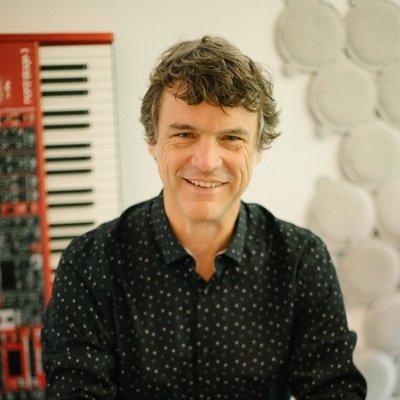
Speaker 0 00:44 Hi, I'm Alexis <inaudible> and welcome to that makes total sense. Thank you so much for joining us today. I am super excited to get to bring you back to back interviews with Nathan Wilbur. Nathan is the son of Paul Wilbur who you have probably heard of. He is an internationally known worship leader and music artist. He is a speaker. He's an author, he's a teacher, and he and his and his family have really grown by God's grace, this amazing ministry that reaches out and touches people for the gospel all over the world. So Nathan and I had the chance to meet a couple of months ago when their crew was in Houston doing some shows. And so we actually had the opportunity, my family did to go to back to back shows with Paul Wilbur and have some conversation with Nathan. So Nathan, I had so many questions for Nathan. So we've broken this up into two episodes.
Speaker 0 01:46 In the first episode, I really kind of pick his brain on what it was like to grow up in a home where your dad's ministry in business is so public. What did that look like and, and how did that kind of shape their family culture growing up with, um, your dad? He, his dad's testimony is amazing. He got radically saved and then just went full force into ministry. And then in the second episode, I really focus on getting Nate to tell me a little bit about his ministry. So, of course he's got this wonderful foundation of faith in ministry from his dad and from his family, but Nathan, um, is, is coming and has come into his own. He's the director of Wilbur ministries and he's got some other things going with their church in Florida. And so I really wanted everyone to hear about what he is doing and what God is doing through him. So I hope you really enjoy this first episode with Nathan Wilbur. Stay tuned, like I said for next week where we're going to have part two. All right everybody, thank you so much for joining us again today for the, that makes total sense podcast. I am your host Alexis B city
Speaker 1 03:01 and I am thrilled to bring you guys the guests for today and next time we have with us. Nathan Wilbur. Hanian.
Speaker 2 03:11 Hey, so good to be here with you today.
Speaker 1 03:13 Thank you so much for coming on the show and for coming on twice. I'm so excited about this stuff we're going to talk about. Um, so Nathan and I met a little while back when his dad was a touring and doing some, doing some music where we were and we got the chance to connect. And so Nathan, that's like an a sound weird to people right now, but why don't you tell us, tell us who your dad is and why he might be touring and, and uh, what that's all about.
Speaker 2 03:43 Happy to. So my name is Nathan Wilbur again. Hello everybody. My dad is uh, Paul Wilbur. He, um, was a recording artists with integrity for 27 years and we are now on our own doing our own music and for some that may never have heard of, uh, Paul Wilbur, if you just head over to YouTube, which I know is probably one of your favorite places to search all things music. Um, he didn't write days of Elijah or praise out of nine, but he was heavily, um, involved with those of those songs coming out early, uh, late nineties. And he also had some other songs that you might be familiar with the, uh, I enter the Holy of Holies in four, your name is Holy. Uh, those songs that he wrote with Linda <inaudible> had been placed over a video of, um, I wish it could be redone and really be like the temple in Jerusalem. That would be amazing. But, uh, it's kinda with a movie and I think it's been, you know, it's got millions of views and people use it on their podcasts and everywhere we get so many, um, requests from my dad's music to be used because it's very Jerusalem centered, Israel centric type sounds, middle Eastern and, but also overlayed with contemporary. So he's a Paul Wilbur. My dad is a contemporary Christian music artists and he's traveled all over the world. I think we're over 70 nations now and he's been in ministry for over 40 years and I've been,
Speaker 3 05:29 Mmm,
Speaker 2 05:30 I'm only 38. I'll tell you how old I am. But, uh, just in the journey that I've had with my dad, it's been amazing. And I actually worked for him full time, um, with the ministry, which is Wilbur ministries. Uh, we're going to start a podcast together and we're excited to work together. So I've, I've grown up in his house.
Speaker 3 05:52 Mmm.
Speaker 2 05:53 I can tell you the guy that you all know and love on the stays singing all over the world is the same guy at home. He's, he's been a wonderful father mentor. He's one of my, he's my hero. And, um, it's just, he, he's somebody that I feel like there's so much there that no one really realizes. Sometimes when you, when you get a tag, you know, we all think about tags on Facebook or something. When you get tagged and his, his music, you kind of get stuck in that sometimes. And everyone's perception of you is just that. But he's, he's done missions in some horrible places where there was bad devastation. Um, we've brought medical missions to areas and just to bless people, just to be a blessing, not to ask anything from them and to, and just to see how my dad has poured his life out, uh, into other people.
Speaker 2 06:52 He gives so much more than he receives. It's just a, it's a constant, uh, servanthood that my dad, um, places on, on life. And you know, I don't know if I could even do it justice just to just say probably the impact that his music has had in a lot more places than I know, just in reading letters that we get and emails from healings to people going through difficult times and having this type of worship music, um, to listen to and to commute and to worship the Lord with, um, I could be on here for a very long time, but to see the impact that the calling that my dad has had on the nations, um, it's very impactful for me. And my prayer is, no, Lord, may I be just as good of a servant as my dad is.
Speaker 1 07:50 Well, it's, I love, I love, that's a great, that's a great tribute to your dad. I feel like for a lot of people, um, they've probably heard your dad's music and may not even just have put his name with it. Um, because it's just, it's out there. It's very, it is very Jerusalem centered. It's very Israel centered. Um, we were first introduced to your dad's music, I want to say it was probably 17 or 18 years ago. Um, we were in college and starting to kind of study the feast and some of that stuff that we might get into. We were going to Israel for the first time and I remember Seth, who obviously I'm married to now, but, um, he was my boyfriend at the time and he said, he said every dad's music. He was just like, this is so intense, because at the time we were, um, the worship culture at the time, 17, 18 years ago, at least what we were familiar with was, um, it was in general, kind of very, the sound was very pop, I would say.
Speaker 1 08:49 And it was very praise chorus, which is great. Um, it's easy to play. It's easy to sing, it's easy to kind of release yourself in worship. But your dad's music was some of the music I would say. You know, we grew up on hymns, which, um, a lot of them teach a lot of theological truths. And there's a lot of good things about him. Um, but your dad's music was some of the first music that for us, um, was very scripture based. And so, you know, Seth was, it's this weird, I don't even want to misquote him cause it's kind of this like weird thing to say, but he was kind of like, I think am I was God. And you're like, okay, don't ever start as an, it's like that. Right? But it's kind of like, you know, like, like we're singing God's own words back to right.
Speaker 1 09:33 And, and that with your dad's music, that was one of the first times for us that we really got to experience that in a corporate way. Um, singing God's own words back to him. You know, his words about himself, like his faithfulness, um, his, his strength that, you know, um, his promises that we could, that we could sing those, those true words back to God. Um, and we really experienced that for the first time, you know, in a corporate way through your dad's music. And so it was so great. I would say probably when people YouTube and they, and they look them up if they don't, if they're like, that name's not ringing a bell and then they go and they're like, Oh yeah, of course I've heard that as long. So I feel like, I feel like there's going to be some of that. But um,
Speaker 2 10:24 yeah, I want to one quick note to that. You know, you, you touched on it. It's a singing scripture. The music. Uh, we had somebody that's, that worked with us for a very long time and she said, you know, I'm very, I'm very careful what I sing when I'm worshiping. She said, I pay very close attention to the pronouns. She says, you know, most of the music is very ice centric. You know, we have iPhones, we have me, this, me that. And so we're a very, um, me-centered culture almost. It's kinda growing up now. But if you look at what is worship, it's all about the father. It's all about God Elohim. Now, I will probably use some Hebrew words and I'll try to make sure I don't use too many so I don't have to answer. What does it mean? I mean from a Jewish background, but um, the pronouns are something that even I am very kind of just listened to.
Speaker 2 11:29 Like, what am I really singing? Is it really about me and what I need and what's going on? No, I don't, that's not worship. Worship is, is you coming to the father and making yourself available to him. It's almost a, a, a different mentality other than, father, I've got all these problems and I need you to take care of him. Well, yes, fathers love us. I, it's even written in scripture. You know what father would, um, give his son a snake. Of course not. He wants us to have good things, but do you want to come and complain? I almost said kvetch
Speaker 1 12:06 right. We'll translate if we have to.
Speaker 2 12:11 I want to be that kid that is always coming to the alter and complaining about everything all the time. No, I don't think so. I think the heart of David, which really touched the father and what elevated him to kingship was this, um, elevation of who he is. You know, it, when you look at the temple being built and, and the, and the tabernacle and just everything that was involved, it was always, um, uh, Lord for you are good and your love and doers for ever. And there's something that touches his heart when we as his kids come in a worship setting, worship music atmosphere. Cause that worship word is very loaded. I'm not here to preach on worship, but when we come and we're singing and we're worshiping our father, I, I just, I think it's so important that we don't just come with what our needs are, but let's come to him with a heart of servant to him and say, what's on your heart? I'm here for you. Not so much. You're, you're here for me. I think it's, um, you know, it's kind of a different paradigm there in the thinking process.
Speaker 1 13:23 It is. It is. And it shifts, it shifts the focus when you're able to, when you're able to say the scripture back to God, right. Even when we're, even when we're praying, you know, as I'm reading a book right now about, um, lament, real popular, you know, upbeat, uh, topic there, but this author was, you know, even talking about how using the songs for a lament is, is a good way to go, right? Because it's like, it's, there's, there's honesty in that, right? And there's respect and there's honor when we can use the scripture even to express lament, but to, to worship God and use his, um, his very own words, right. Right. Back to him. Like, I just, we're hardly gonna go wrong. Right. What did we do that
Speaker 2 14:11 David, he can do them and he would say, Oh my gosh, the world is coming, caving in. My enemies are trying to kill me, but you are good.
Speaker 1 14:20 Right, right. It is, it's, it's, it's good. It's good. Now we were, we were going to talk about this because I was saying, okay, you grew up in fall Wilbur's house and he has this loaded word, worship leader, worship artists. But he's, but he's not. But that's important though. I think it's important to note because we all like have, have the friends who are the, who were the, we call them the PKS, right? The preacher's kids or whatever. Or you grow up and you might be a second generation believer, but there's something different. There's gotta be something different about growing up in a house where this is what your dad like, you know? Okay, well, someone else's dad goes to his law office and someone else's dad goes and he plums houses all day. And your dad, when he goes to work, he's going to recording studios and he's going out speaking and he's traveling. And I mean, it's just, it's so big. But like, I mean, I know it was normal for you, I guess it was, it was normal for you. Um, but what did you, how did your dad present that and what did you learn kind of growing up? What was one of the biggest things that you learned living in a house for that was what your dad did for his day job?
Speaker 2 15:38 Well, it was a, it's a lifestyle. You're absolutely correct. I don't know that I ever saw him without a guitar. Um, I, you, I was very used to go into bed, um, at the early time that kids are supposed to for school. And I would hear him tuning his guitar and with his, um, Bible open to the Psalms. Of course, like you were saying earlier for inspiration, um, he would just sit down and start writing music and I would go to sleep hearing him writing songs. And back then in the 80s, he, there was a group called Israel's hope. Um, if I come back up prior to that, when he got saved, his testimonies very pretty cool. Um, but when he got saved, uh, while he was getting his master's degree in music, um, he, he got radically saved from a Baptist from West Texas and they formed a group called harvest in the 70s.
Speaker 2 16:43 And there was three guys and they traveled all over. And, um, it was growing to be very, very successful. But my dad, um, had a choice to make because he, whenever he would write music, he, he would do this thing where he'd go to the Bible and look for inspiration and the, the tunes would always be a lot different than what the other guys were riding. And I remember, I remember my dad telling me, um, Jerry Williams who came, uh, came to him, he was the leader of the group and said, you know, Paul, all these songs you're writing are in D minor.
Speaker 1 17:23 Yeah.
Speaker 2 17:24 Which if you're listening to this and you're a messianic, you'll understand what I'm talking about. But it just came naturally to him. He couldn't help himself. And after doing a couple of years with harvest, um, cherry, my dad talked and they felt like my dad was supposed to find other people like him, which sounds a little interesting, but you know, after the Jesus movement, uh, there were quite a few Jews becoming believers in Jesus and they didn't feel like they fit in. But the church, um, prototype of what was growing beings,
Speaker 1 18:02 and this is in the 70s, right? For people who haven't made for seventies even some kind of hippie, it's kind of how they were kind of categorized, right. Kind of these hippie kids, right? Yeah. They're just getting radically saved. I mean, like tons of that and just getting, just getting radically saved and becoming Jesus' followers. And then it's like, yeah. Then what, what do we do with it? For the audience that doesn't know what a hippie is, you'll find that. Exactly. So people were getting saved
Speaker 2 18:30 out of the 70s, and a lot of them were Jewish people. And, uh, when they started thinking back to their childhood, fond memories of celebrating Shabbat, being around a table with their families seemed to fit the right type of expression and honoring God. And so with the Jesus element, realizing Jesus, Oh my goodness, he's Jewish, which is a revelation. Some light bulb moment. Um, they started forming the, um, congregations called messianic Jewish congregations. And my dad went there in 1981. I was six months old. I have fond memories of <inaudible>
Speaker 1 19:12 driving in a car. I don't, so I can't tell you about the car ride that I had in a congregation, but, so this story is
Speaker 2 19:22 coming from my mom, but so my dad is going on this, this new venture, right? To find out what messianic Judaism is all about and kind of, um, learn more about it. And this story does have a point to it, but they pull into this parking lot and it's, uh, cracked cement all over the place and weeds are just growing everywhere. It doesn't even look like anyone would possibly be going. There could be an empty building. Uh, there's bullet holes on the side of the brick walls and it's just, the windows probably haven't been cleaned for a while. It just looks vacant. But there are cars there. And so my dad has hoped that this is the, this couldn't surely be
Speaker 1 20:10 be the place that he's looking for, right? But maybe the right address, the right address,
Speaker 2 20:17 walk in and for my friends that are listening that are Messianics, I know you're going to get, this is home for you. You're going to get a good kick out of this. So they go in and they take me to the nursery room and they dropped me off with the lady, but the ladies wearing sunglasses and she feels around and goes to my diaper and goes, Oh, it's a boy. My mom goes, yeah, I don't think I'm going to leave
Speaker 1 20:39 six month year old child. There's a lady that can't see. So I just volunteered for children's, the nursery leader.
Speaker 2 20:52 So my dad goes into the sanctuary and it's all the foldout metal chairs that are so comfortable that you just can't wait to sit in. Not the nice theater seats that are, you know, in churches today. But so my dad is just sitting there and he's looking around, people are wearing key paws and they're wearing their prayer shawls and he's trying to adjust himself to his surroundings. But long story short, he left there and said, Lord, surely you have not called me into this place. Said in the King James version. So they leave and surely God says, no, that's exactly where I want you to go. And so he, he moved my family to, uh, Gaithersburg Maryland and we attended Beth Messiah with Dan gesture as the leader then. And um, my dad, uh, showed up to work with Sid Roth, which some of you may know is it's supernatural. If you YouTube Sid Roth, it's supernatural. Back then he had a radio show and my dad, uh, took the job of helping him fill orders and with the recordings of his tapes and his messages and stuff. That was one of his jobs. And the other job was leading worship at Beth Messiah being associate rabbi. And um, it, it started something that kind of grew into something a lot bigger than we ever could imagined. Um, it was right where God wanted us. It ended up slowly growing to being a very successful congregation. We didn't stay there.
Speaker 4 22:36 Mmm.
Speaker 2 22:38 Too long set that we know I didn't move til I was nine years old, but growing this, this messianic sound, this messianic worship expression, which is really, I feel it's a, it's a kingdom. You'll hear me say that a few times. It's a kingdom expression of, of music. And why, why do I say that? Because it's, it's focusing on the pronouns. It's going back to scripture. It's, it's going to, you know, it says in the word that his word doesn't return to him void. So what better place to get something that brings out this expression of our worship to him from his own word, right. It's kind of saying back to him what he's already said. And he formed this group, Israel's hope. And I just, I remember we did the, the photo shoot in our basement and Maryland and having, um, Mark Shapinsky, um, God bless him.
Speaker 2 23:41 He, he passed away about a year ago. He was in the group with my dad and, uh, Renee block who's still a messianic rabbi out in California, just having these three guys over. And we would have what was called, um, home groups. They still kind of have those today, but they're not as popular. And we would have home groups and we would, we would all get together and I just remember them, they were just sitting and writing music together and we would chat. So you know, for the messianic world, what better worship could you have? And you've got like Israel's help in your living room.
Speaker 1 24:27 I mean, it's just a way, it's just wild because it's like, this is not everybody's, this is not everybody's upbringing, you know, like this is, this is not everybody's upbringing and, and it's just, you know, you're saying photo shoots in the basement and, and worship in the living room, in the home group, you know, like home group, not everyone's home group looks like that. I mean, were you like, were you aware when you were nine, 10, 11, 12 years old that like not everyone's home group looks like this where
Speaker 2 24:58 I didn't have the full understanding of what it was cause to me what was normal? You know, my dad's a musician, he's a full time musician and they had a, a GMC van. Um, for some of you that's, um, two seats up front, two captain's chairs in the middle and then a bench in the back with the television and a lot of space that you don't really need.
Speaker 1 25:20 This is not a minivan. No, this is not your mom as many bands. This is a, yeah, this is the GMC band for sure.
Speaker 2 25:31 Uh, but that's what they toured in and they drove all over in that, you know, from Maryland to California. I'm just all over. That's where they went. And they went to Israel and led worship over there. So for this part of my life in Maryland growing up, this was the norm and I would go on trips with the, in the van with them and we would, we would worship as a family and I would see my dad on stage leading worship in front of a very successful congregation. I mean Beth Messiah in the 80s was probably one of the most successful. We had a couple hundred and it was just a, a fun family community based group.
Speaker 1 26:16 Right, right. And then you guys, uh, I don't want to like jump the gun, but I do want to say I've heard stories though, specifically your dad's story of you guys moving from Colorado to Florida, which I don't know if we'll get to, but when you guys, but I say that to say, when you, when your family moves, it's not on a whim. So after Maryland, you guys were in Chicago, is that we said like, where, where was the next stop?
Speaker 2 26:40 I know this can kind of seem cliche. We never really moved until my dad had had a word from the Lord. And, and I say that with all sincerity in my heart because it wasn't like, Oh, okay, let's go. God told me it was very, it's very serious because it was, it was almost like a direction course. I mean, if you can imagine growing up in the eighties in Gaithersburg, Maryland, it was just a kid's paradise. It was a wonderful bubble. You know, I, I didn't know racial, um, prejudices like that existed. And, and our messianic, um, community, you know, I went to school with Arab, uh, Mexican, black, white, Jew, Gentile. I didn't, I, I grew up with no racial prejudices. I had like love glasses on. I guess there just wasn't the, the filter that I was wearing and it was such a blessing. And then God called us to, um, Chicago, right outside of Chicago to a church. Uh, my dad had this, this vision of, you know, this kingdom worship that I'm doing here in Maryland isn't just for, for us. This needs to get out to the nations. And God gave him a vision of,
Speaker 2 28:09 of the Jew and Gentile coming together as one new man is, it's written in Ephesians as a kingdom expression and a very successful church that was a growing there. It was called Midwest Christian center. Um, the pastor was after my dad, he said, come and lead worship for me. And he was after my dad a lot. They had, um, they had Israel's hope there, I think wants maybe even sometimes twice a year. He saw the giftings and my dad and you know, small beginnings, greater horizons. Right. So my dad prayed about it and he felt like that's what we were supposed to do. And Dan gesture said, I'll only bless this if you're able to really kind of put what's on your heart into a practice, which of course is wasn't our heart. So we went to Chicago with the intent of doing a Friday Shabbat service, um, kind of like a, a messianic, a worship service.
Speaker 2 29:12 And then on Sunday, my dad would lead worship for the church on Sunday. And this, this type of, um, set up. You know, Jonathan Kahn is probably named a lot of people know, not just in the messianic world but you know, Christian world. But, uh, rabbi Jonathan Kahn, his congregation, he's always had a service on Friday night and Sunday morning. And my dad kind of had thought way back then too. It's kind of interesting just to see there. You know, we're good friends with rabbi Jonathan and we go to Beth Israel once, sometimes twice a year. Um, but that was kind of the vision that he saw that, you know, to the Jews, you know, something about celebrating on Friday is, you know, their expression and then a Sunday, you know, Sundays, just Sunday in America.
Speaker 1 30:08 Right. That's what people go to church. That's right. Right.
Speaker 2 30:12 So I, so we, I slowly went from this small world mentality to this great big world, you know, Chicago, wow. Industry, everything's fast. And I didn't really feel like I fit in at all. I felt way out of place. Um, it was a great big world out there and that the church was, um, it was a, um, the, the denomination was just blank. But anyway, you can cut that part out.
Speaker 1 30:48 We will Google it.
Speaker 2 30:54 No, it was just funny. It was just like, I totally drew a blank. But anyway, so the, the denomination, um, at our church was word of faith and it, it's kinda has a little bit of a Pentecostal expression and I know that can kind of bring some negative, uh, vibes for some of the audience. But I just want you all to know, you know, God is bringing together a family and sometimes we just, we got to love people as long as we keep the focus as you show up. And that's the name of Jesus in Hebrew. We keep Jesus as the center. He's the one that we're looking to. He's the, the salvation peace, right? Without him, there is no salvation. You know, some denominations can do things that we may not agree with in whatever, but love the people and just, and move on. I get, I get so frustrated. I, I had to leave Bible college because I just couldn't take the denominational structures of arguing. It's just like, Oh my goodness, are we believers or do we act like what we're reading? Or are we just here because we want a degree?
Speaker 1 31:59 Well, it's, it's, it's like, it's like you said, you were, you mentioned Ephesians two earlier and I'm like, that chapter, like, that chapter has been on my heart so much lately. And I'm like, I think also because God has been speaking to me, I, you know, I grew up in a very kind of, um, fundamental, you know, fundamentalist denomination and it's like Jesus came and died and Rose to take your sins away, period. But I'm like, wow. But there's so, so much more. There is that. But he died and, and, and was buried and Rose for a plethora of reasons and to accomplish so many things. And Ephesians two tells us, one of those things was to destroy this enmity that is specifically between Jews and Gentile, but you can apply it. I think it's applicable to everything. You know, that you're saying. It's like those walls get torn down and we get to through his broken body, be one United body, you know, which is, sorry. I mean, you could preach on some stuff. I could preach on some stuff, but we're over not talk and we'll say preaching for another time. Um, but anyways, so yeah, so you were a part of that denomination, which kind of could bring some people out, but we're gonna, we're gonna love each other.
Speaker 2 33:19 So my dad's real first album that came out was, um, up to Zion, I believe it was 1992. Okay. And that's where he kinda took the worship expression of the one new man and kind of put it together in an album. But he felt, you know, that was, and I remember going to the studio with them, you know, I was, I went with him to the studio when he did some of the Israel's hope thing, you know, I couldn't sit in the actual recording area, but if anyone's been in a recording studio, you know, there's this glass and there's between the person actually singing and the one that's kind of behind the, the dials and kind of putting everything in. And it was just always kinda surreal and like this is kind of cool. You know, my dad sings and he puts together these albums and you, and back then you would go to a record store and buy records. I remember record players, I remember, you know, before CDs, everything now is like digitally downloaded. So
Speaker 1 34:21 no, I used to work in a record store, right. Sell CDs stopped at the same age, but I did, I did. I sold, I sold and stopped cassette. It's in a store that, no, no now. Right. Cause I don't even know if they even have them anymore, but we rented videos out to like VHS. Right.
Speaker 2 34:38 <inaudible> I think they're going under a category called antiques. Um, can show up inL a records and eight tracks and cassettes. You can do this all by the way they do exist.
Speaker 1 34:54 This is the way I feel often. I'm like, okay, if you're under this age, then why don't you just go Google this. Exactly.
Speaker 2 34:59 Yeah. And, and one day, um, the president of integrity before my dad, um, really kinda grew up to kind of be who he is today. Uh, Michael Coleman and Don Mohen, uh, Don Mohen is probably another very well known name. Um, he wrote, God will make a way and a bunch of other big time hits. Anyway, they went to a conference with Jack Hayford and Jack Hayford was speaking on the importance of Israel and my Coleman got this in his mind to do a huge live recording in Jerusalem. On a particular feast and was like, who do we call? And Dawn Mullen was like, well there's Paul Wilbur.
Speaker 1 35:53 That's crazy.
Speaker 2 35:55 He did an album, uh, called a up to Zion and a, I think he'll fit it perfectly. So, so they called my dad and said, Paul Wilbur, would you like to do a recording? Our album in front of a couple of thousand people in Jerusalem? And my dad's like, I don't know if that many people know who I am. Long ago, whole Shalom Jerusalem and what an amazing album and then a Jerusalem arise. Arise is probably my favorite.
Speaker 1 36:33 Jerusalem arise I believe was the album we were introduced to your dad. I'll have to check with Seth. I think it's true. Summarize
Speaker 2 36:40 for my new fans out there. I was in true summarize. I know, I know.
Speaker 1 36:47 <inaudible> your part was and your part was
Speaker 2 36:51 my part was singing in the choir wearing a purple robe.
Speaker 1 36:56 So good thing we can get it mostly on CD and digital work for her
Speaker 2 37:04 and it was brought over to DVD. I think somebody did put it over onto our youth. I think it's on our YouTube channel
Speaker 1 37:13 and did someone circling that. Everyone knows there's things. Then there's
Speaker 2 37:19 all my glory singing, wearing a purple robe. But you know what, that was such a special time because I, I was in the baritone section and I sat next to this guy.
Speaker 1 37:33 And how old were you ish at this time, just to give us a little,
Speaker 2 37:36 um, so when Shalom Jerusalem came out, that was 1995, I believe. I was, uh, 13 and then, so if you fast forward to, um, when Jews sunrise, I believe it was, was it two years after that was at 97 that, um, I could be getting my dates wrong. Drew summarize came out. So I would have been like, I think I was 16 or you're a teenager, like a real good teenager. I was a little kid and I was sitting next to a tenor that probably could sing around me for days, paid me the nicest compliment. It's like, you know, I didn't know what to think of you when you first came and set by me. I'm like, Oh great. Where is this commerce? He's like, but you hung in there and you, you hit all those ranges. He said, you should, you should become a professional singer. And I was like, maybe he doesn't know him, Paul Wilbur son. So I'll just keep my mouth shut. I'm just a volunteer.
Speaker 1 38:42 <inaudible>
Speaker 2 38:44 I don't want to give my dad a bad name. Paul Wilbur son, he can't sing,
Speaker 1 38:51 but they gave us a spot in the choir. It's great.
Speaker 2 38:53 Yeah, they gave me a spot on the choir. It was something really special to see where my dad had come from. And I think Jerusalem arise was kind of like the cynical hype of what he was doing with integrity. That was a very special, um, album that we did live in Jerusalem for that feast and an integrity was so gracious to us and we did so many albums with them and it was a great, uh, tenor with them. Um, so many stories, fond times with them. And, but I think now this new season, you know, we launched roar from Zion, from <inaudible>,
Speaker 1 39:33 such a great album. We have, we have that one in the car right now because I, I still drive a car with a CD player by the way. But um, but we, yeah, we've got that one, we've got that one. It's a great album.
Speaker 2 39:46 But I think, you know, back to your question of what was it like growing up in Paul Wilbur's house, you know, this, this constant memory theme just constantly sta stuck with me. It, my dad is, he's always, he's always looking for what he can kind of give rather than what he can get. And in his music, I think it comes out to, I'm just going back to not even 1977 when he was doing music with harvest, he wrote a song called resurrection morning. It just talking about, you know, Jesus's resurrection morning and all that that entails. And then going over to Israel is hope and writing songs out of the Psalms. He still has stuck to his guns. He's, he's always written from his heart, from the Psalms. Some would call him a modern day Psalmist or you know, he, he gets likened a lot to like a King David. So the reasons, my name, one of the big reasons, my name is name Nathan is because he's like, Oh boy, if, if they're calling me, I'm like David, you know, with the harp only I have a guitar. Uh, he had, uh, he had the prophet Nathan rebuke him. So I better have a Nathan
Speaker 1 41:05 somebody didn't like.
Speaker 2 41:07 Exactly. Yeah. So he'll say, I have no problem telling you, me telling him when he's off. But, um, I do it with all sincerity and love,
Speaker 1 41:16 but you know, with your dad, I just feel like one thing I kind of want to chime in on is I'm like, you know, when you're saying he's stuck, he's stuck to his guns. And um, this last trip when you guys are in Houston, of course, you know, but, um, we, we came in and we saw you guys first and you were at our home congregation and then the next night, um, we weren't planning on coming and seeing Paul play twice. But, um, our, one of our dearest friends, uh, came and played keys cause I think Brandon Brandon left. And then, um, our dear friend Augustine came and played keys for your dad the next night. And as we were driving away, like, it was funny because one of my sons, he was like, mom, like he said this yesterday, like, you know, he's, he's seven, he's seven. And he's like, he's like, mom, mom, we heard this.
Speaker 1 42:12 Like he said this yesterday. And I'm like, I know it's really good. You know, like, it's good to hear it. But I was going to say he sticks to his guns and he, and he presents the gospel. So I'm like, I can't, I can't imagine you being as close to your dad and growing up with your dad and your dad's house. And what was funny is, so the day before, I don't remember how many hundred I, there was standing room only on Saturday there were hundreds and hundreds of people. I mean maybe I feel like maybe I feel like someone said maybe 800 or something like that, which is just insane. But then the next day it was kind of the smaller church ad. I feel like maybe it wasn't even on the list for you guys and it was just kind of a smaller crowd. But what stuck out to me, and I told Seth on the way home is I said this guy played and preached his heart out for this crowd on Sunday night.
Speaker 1 43:03 That was, you know, kind of a small crowd compared to what he played in front of on Saturday. And obviously your dad is playing in front of crowds way bigger than that. But it's just like the point is, I felt like the point is the gospel, you know, the point is worshiping and the point is the gospel. And he gave an invitation and he prayed with people afterwards and it's just like, that's, that's the point, you know? And, and I felt like it was just such a genuine expression of his love for God and his love for people that he's going to do this no matter who he's in front of, no matter who he's in front of. And, um, and you know, like that's the point. Like we want to worship God together, like you said, one new man. And then if you don't know this God, we're worshiping, I'm going to give you the chance, get to know him. And, and that just really, that just really ministered to me to kind of see that two nights in a row and just say, wow, this is like, this is who this is, who this guy is. You know,
Speaker 2 44:08 there's two points I'd like to just bring up. Um, a lot of times, you know, people see, uh, uh, uh, recording artists that they really like on stage or a pastor, messianic rabbi or someone that you really respect and look up to and then, you know, you're like, I'm going to talk to that guy and you get your chance. And it's almost like there's a disconnect. Like there's the person on the stage. I really, really, I let ministers I really enjoy listening to. And then you get your one chance, I don't know, maybe for some people that can be like a Justin Bieber or something. I'm always trying to connect things to people or someone like that. Or you know, maybe it's casting crowns, maybe you only listen to Christian music. But my, my point is my dad has always been consistent with who he is on the stage as the same person off.
Speaker 2 45:08 And I think one of the things that really draws people not only to the music is genuine. It's a genuine sincere worship that's being offered up and then they want to just say hi. And my dad has never been the type that runs off. There's been a very few time where he's just been completely depleted physically and he, he doesn't have the energy to speak. His voice is shot from singing for two or three hours and speaking and traveling and a lot goes in to the road life that people don't see the canceled flights, the delays, the not getting your luggage, the getting to the place. When you do music you have to set up for hours, then you have to rehearse and then you do the actual ministry part, which is about two hours and then you have to tear everything down. You spent hours to put up and then people want to talk to you.
Speaker 2 46:10 And my dad has stood there and spoken with people and prayed with people. And believe for healing for people and spoken in people's lives and ministered to people. It's like he puts on a separate hat and I've, I've had to go in and pull them out, dad, it's midnight and you've poured out all you have. I need to get him. And just, you know, he goes back with the smile on his face to the hotel or to wherever it is that we're, you know, sometimes in rare occasions a friend's house that we're staying at and it's just, he sits down and he just lets out a big sigh of relief. It's like, good job. And I did everything I felt like I was supposed to, but now my body is done. And, and the second part is not only is he the person on the stage that is off and he has a minister's heart as well as someone that leads, um, in worship and music.
Speaker 2 47:07 But you know, he's been in, in front of crowds of 90,000 and he's been in front of crowds of 25 people and before God, he is the same person in front of the, the 90,000 that he is. And in front of the 25 and it, and he's always said it's because it's, it's all about what is, what is the goal, right. And, and, and he doesn't see that 25 people matter less than 90,000. Right. And that has, has spoken more volumes to me as being his son, that sometimes, you know, sometimes you reach people better when it's smaller groups. You know, Jesus thought so he had, he had, he had his homeys, he had 12, he had three, and then he had one that he trusted more than any, which was John. But there's something to be said that when you can reach the masses with the message, which is awesome, it's great, it's great to go and be able to do that, to reach the nations of, for Jesus.
Speaker 2 48:19 But I think it takes a particularly humble person to be able to say, I, there's a message I carried. I don't care if I'm doing that in front of the largest crowds and gets and I get the biggest acclimates and awards of whatever, or I'm in front of a smaller group, he says, but my calling remains the same and I'm not going to change regardless of how many paths I get on the back and it's coming. Coming from that kind of world. Um, it's very rare. I don't really say that, you know, a lot of, a lot of the families that, um, that we've been connected within in the Christian, even in the Christian music world, um, really kind of work together like we do. I think it's kind of a, a rare thing when you not only love each other as a family, but you can also work together and, and shrug off the things like, Oh God, my dad.
Speaker 1 49:28 It's good. It's good. Before we, before we sign off on this one and we'll, and we'll come back next time. I just feel like, I think it should go without saying. And I, and I, I just, I'm going to put words in your mouth and I'm going to take the Liberty and say these things that your dad does if it hasn't been obvious. Um, and if people haven't heard him, he does these things he's able to pour out. I know because I've heard him speak. He's able to pour out because he sits and lets God pour into him over and over and over every day. And I love hearing that, even in his testimonies, hearing that, even in the words that he speaks of saying, I wanted to say this, but when I was alone with God, he said, no, talk about this. Or he, you know, or he spoke a word to him and it's like he or any minister is able to pour out because they let God, um, pour into them. And so I hope you're okay with me taking Liberty in saying that, but I think that that's true of your dad. And um, and he is, and he is a great guy. But I just imagine being able to watch that transaction, kind of that spiritual transaction happening, um, on a daily basis, on a regular basis is amazing. So, Nate, Oh, go ahead.
Speaker 2 50:45 So I, I asked him one time, I said, uh, dad, cause you know, being a son, you, you kind of want to, you like bragging about your dad, you know, kind of like a son thing. And I'm like, dad, how are you able to lead worship in front of 90,001 place and 25 and another? And he says, it's because I worship for an audience of one. That's right. And that hit me so hard. It made it, it really keeps everything else in focus.
Speaker 1 51:17 Right? No, it's so good. It's so good. Nathan. Thank you. And you're coming back. So we're signing off talking about Paul and Nathan and crew and we're going to come back and talk about Paul and Nathan and crew, but from a different perspective because you are the director of your dad's ministry. And so, um, you're going to come back and kind of tell us what does that mean from your perspective, kind of what are you doing? Um, because it's one thing to grow up in this house and have that be your family culture. And this is kind of like, yeah, this is what dad does, but our, we're going to talk about like kind of, I don't know, maybe I'll interview your kids right. And 10 or 20 years and they'll say this is what it was like to grow up in Nathan Wilbur's house. So, um, so we're going to sign up on this one. Thank you again, Nathan for being with us. And then we'll come right back and we'll talk about Wilbur ministries and your job there. And I hope we get to talk about first Friday and some of that stuff that you're giving me celebration as well. Absolutely. Okay. Thank you.
Speaker 0 52:22 Okay, so thank you again so much for listening. Don't forget to subscribe so you won't miss an episode. Share the link with your friends. You can visit
[email protected]. And until next time, this is Alexis Piseti remembering to do well for ourselves so we can do good for others.
Speaker 6 52:41 <inaudible>.