Episode Transcript
Speaker 1 00:00:06 Welcome to That Makes Total Sense, a podcast dedicated to exploring God's generosity and justice. I'm Alexis bti, a Christian aiming to ask good questions and encouraging you to do the same. Every one of us is wired by God to live out generosity and justice. But the how sometimes eludes us that makes total sense is a way for us to get together, posture ourselves as learners, and challenge one another, to practice generosity and justice in a tangible way every day. Well,
Speaker 2 00:00:42 Craig, I don't know if I mentioned this to you, it's not every day that I get to speak to someone on another day in their time zone, wherever they are. I have had the chance to speak with Mandy Smith, who is in Australia most of the time, and that's been my only other guest from the other side of the globe, I think. So welcome. Mm-hmm. <affirmative> from, from Wednesday, <laugh> Yeah. In New Zealand to Craig. So good to have you.
Speaker 3 00:01:09 Good to be with you too. And, uh, let me tell you, the weather is fine today, so you're in luck.
Speaker 2 00:01:15 That's wonderful. I'm so, I'm so glad we were, we were experiencing beautiful weather here, and I'm mentioned to you before we started recording that I think I need to get some Christmas tips from down under to celebrate in Houston, because we are not, we never experience a white Christmas here. Mm. It's always sunny. We're on the back patio, you know?
Speaker 3 00:01:34 Yeah. We're, we're all about the barbecues on the beach, so come join us,
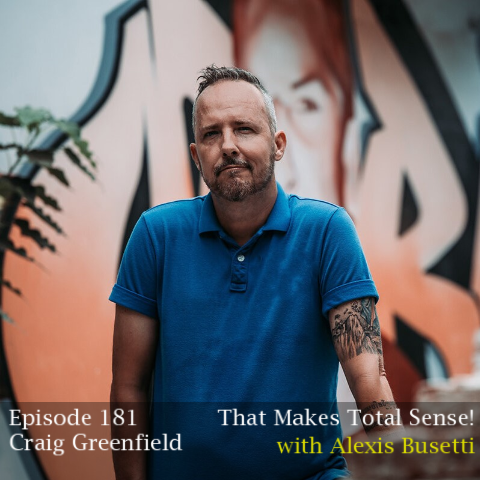
Speaker 2 00:01:39 <laugh>. That's right, that's right. We need to get some traditions here as well. Um, so I'm so glad to have Craig Greenfield on the podcast today. Craig has written a wonderful book called Subversive Mission, serving as Outsiders in a World of Need. And, um, you're in New Zealand now, but that's not where you always are in this book. Um, most of it takes place in Cambodia. You have relationships with, um, with believers in India and all other parts of the globe in a ministry that you are a part of called The Alongside. So I'm wondering if you could give us just a taste of what the alongside is and then, um, and then kind of go into like the framework for this book, because really as, as I was reading them, they're, they, they go, the ministry and the book go hand in hand. So can you give us just a little bit of background before we get going?
Speaker 3 00:02:36 Sure. Well, um, I was born in Canada, as you can tell by my accent, <laugh>. Um, but I actually grew up in New Zealand and have spent most of my adult life living amongst urban poor communities in Cambodia. So 15 years in Cambodia, a little bit of time in inner city Vancouver, uh, where we started a Christian community. Um, but really wherever I go, I'm an outsider and so have had to grapple from basically 20 years old onwards. What does it look like to be an outsider in this world if you want to engage beyond your own bubble, beyond your own neighborhood? Um, and I think many of us do have that sense of calling and wonder and desire to connect beyond just those that we know. Um, and so what I've come to, like, the calling that I've come to see is on my life, that God's place there is that I'm an outsider who helps insiders become alongside us.
Speaker 3 00:03:40 And I do that by becoming an alongside myself. And the whole framework of the book is really based on Ephesians four. I think many reader, uh, listeners will be familiar with the Fivefold Ministries. Uh, we're gonna get taught these in church growing up, the apostle, the teacher, the evangelist, the pastor, the prophet. And, um, for me, these are actually a very, very helpful way to frame this conversation, because what I wanna suggest is that those are actually roles for insiders. You know, your pastor in Seattle, great, go for it. Use that gifting. But when you get on an airplane and fly from Seattle to Pene Cambodia, you need to switch hats a little bit and switch posture a little bit, because in Cambodia you're gonna be an outsider. And the role of an outsider is not to be central, not to be the superhero, but to be the sidekick.
Speaker 3 00:04:42 Uh, God is working primarily through local people. And so the pastor from Seattle takes that hat off, puts on another hat that in the book I'm calling the Midwife, and a midwife helps local leaders give birth to these communities of faith that God has placed in their own hearts. And the reasons for that is, you know, we, uh, some of them are obvious. You know, we're not gonna be around forever as outsiders. Uh, there'll be a time when we go back to our passport country. When covid hit, I saw 80% of missionaries leave Cambodia for various reasons. And to see and watch what happened to their ministries afterwards was quite telling. The other reason is that, um, there are so many things that we bring from outside that are, are culturally bound that need to be reinterpreted, need to be contextualized for that context. And who better to do that than insiders.
Speaker 3 00:05:43 And so this insider outsider posture, when we are moving and serving cross-culturally is a very helpful way to think it through. So what I've suggested is that the apostle becomes a catalyst, the pastor becomes a midwife, the teacher becomes a guide, the evangelist becomes a seeker, and the prophet becomes an ally. And, um, the book really describes those five, um, postures or reframing of how do we serve in the world a world of need where most often we come with power and privilege and resources, um, which actually can cause more trouble than we realize, um, how do we serve in a world of need than given our giftings.
Speaker 2 00:06:32 Yeah. Thank you so much, Craig. I mean, when you said that it can cause more trouble than we realize, um, that is something that I'm wrestling with right now. And, and I would say in, in within American evangelicalism, specifically White American evangelicalism, it's easy to kind of, for me, in, in my setting to kind of put that label on it, but with you as a Canadian born New Zealander, um, I love that you actually frame it as Westerners. And that helps me kind of more broadly remember, you know, how Westerners are engaging, how Western Christians are engaging in the world, and how Western Christians historically have engaged, um, in the world. And that has not usually has not been great for, um, the people that Western CERs claim to have, um, you know, been wanting to serve over the centuries, right? And so we have to learn from the mistakes of the historic church and realize that we're sometimes still making these same, um, making these same mistakes, but in our, in our own contexts.
Speaker 2 00:07:48 And, and one of the things I think that came to my mind immediately when you, when you said that was like, money and resources, but I wanna back up just a bit because a lot of, because because of your book, in part I'm thinking, gosh, this isn't limited just to money and resources that we're bringing in that can cause more harm than good. It is our privilege or our whiteness or our western ness, or all of these things that are kind of facets of our outsiderness in much of the, in much of the world. Um, I'm kind of stumbling over myself because I feel this is a very, it's a really sensitive topic, but it's one that we really need to talk about because it's, it's impacting, um, you know, how Christ is being shared in the world. So I'm wondering, I'm gonna let you take over now since you know how to talk about this much better than I do, and ask if you could share the story that you share in the intro of your book about a speaking invitation that you received. And specifically I'm asking if you, if you would be so kind and generous as you were in the book, to share a bit of your own personal struggle that you had with that invitation. Not just what happened as you go through that story, but what was going on in the insight after you received that?
Speaker 3 00:09:11 Sure, sure. And this is a story, you know, we all have heard stories about missionaries doing dumb things and all of that, but I think this story cuts through a little bit of that because it's, uh, it's a little bit surprising. Um, and so, you know, my ministry alongside US International, we work in 30 countries now with 20,000 children and youth. And it's a grassroots movement spread. Local leaders only. Um, there's only a very small handful of Westerners involved, um, less than five. Um, and so this is a movement that spread, and we receive invitations and open doors into all kinds of places. And I remember one day, um, receiving an invitation to speak at this large youth conference in India where they were gonna have 20,000 young youth leaders. I mean, what greater opportunity to share the vision of alongside us directly than to 20,000 young youth leaders, Christian leaders.
Speaker 3 00:10:17 And, um, I have a mentor in India's name's Paul Samuel. We go back, we go back a number of years. He's v very wise Christian community leader there. And, um, so I, I immediately forwarded this WhatsApp message over to Paul thinking, Paul, what do you think of this massive opportunity? This is gonna be great. This is really gonna put things forward. Um, and as I was waiting for Paul's response, um, knowing Paul, my heart just began to sink a little bit knowing I just knew where he is gonna go with this. Um, and I knew in my head as I was running through, there are, you know, when I speak on a stage, I just consider myself an individual. I just consider myself Craig Greenfield. I'm speaking, I'm not representing race, I'm not representing privilege. Um, the challenge is that that's not how I am perceived when I go and stand on that stage in India, especially to strangers, people who don't know me, they don't know me as Craig.
Speaker 3 00:11:22 What they see is a colonial history that India holds a lot of pain, um, where white people from England, my own ancestors from England, um, we're a part of a history of oppression and colonialism, um, but also represent today great access to resources. And so it's a real mixed bag. And of course, I knew I wouldn't be standing on that stage waving a union jack flag around or flashing wads of cash, but I wouldn't need to do those things. My very presence would speak perhaps even more loudly than my words. And so, as Paul and I jumped on this WhatsApp called Paul very gently said, uh, Craig, uh, perhaps there's someone better who could, uh, get on that stage and talk about alongside us <laugh>. And, and my heart kind of continued to sink knowing that my opportunity to be in the limelight was, uh, was not gonna be there.
Speaker 3 00:12:31 And of course, it would make so much more sense for a local Indian leader, one of the leaders in their, alongside his movement there in India, to present that opportunity and just to take away all the baggage that would come with a, with a white foreign guy getting up there and presenting the opportunity. So we have a saying in Cambodia, it takes a spider to repair its own web. And, um, we we're trying to make that saying famous because, uh, it's so important. Yeah. We have a role in, in this book is about what is our role as outsiders, but the first role of that, we need to, the first posture is to recognize that God is wanting to put local people at the center, um, in every aspect of these ministries.
Speaker 2 00:13:23 Yeah, I mean, I, I, I kind of felt my heart sink with yours, right? And because there's, there's so much, there's, there's so much there, you know, to to, to say, of course it's not about me, right? I'm spreading this message. I'm, I'm helping to spread the gospel, you know, all of these things and just, you know, kind of the wrestling inside of, of ourselves of like, what, yeah, what is our role? How do we do this? What, what do we, what do we do? And, you know, alongside the, the postures that you name, I wanna go ahead and name some of the dangers that you list as well. And so these were some of the chapters that were, um, the most helpful for me because I think these are things that we often, I, I think i, I have often overlooked in our history.
Speaker 2 00:14:20 Um, and then also when I'm just trying to do good right now, right? Whether it's, you know, I'm, I'm writing a check or I'm, or I'm, you know, just telling a story or whether I'm deciding to go on a, on a trip here or there. Um, some of these dangers really, um, helped me kind of understand, um, my own context a bit more and how, and, and, and the role that I might be able to play. And so you list five dangers, um, power, complicity, secularism, that was a, i I couldn't have named that one. Um, money, which I hope we get to talk about <laugh> significantly in this conversation. Um, and individualism. And so how did, when you're in, when you were including these outsider insider roles, why include these dangers too?
Speaker 3 00:15:24 Yeah, I think what I really wanted to do, you know, so many of us have read When Helping Hurts, and that was a great book for, for its time. And what it did, um, I would kind of say when Helping Hurts is kind of 1 0 1 level critiquing, but what I wanted to do was also address the systemic issues that underlie all of this stuff. And so I just felt we needed to go deeper. We needed a, uh, when Helping Hurts 2 0 1. And, um, that's what I've done with those extra five, you know, inter interspersed each of the five types with one of the big blind spots that we have. Um, whether it's power, money, complicity, secularism, or individualism. And those are just so important because we're, we are fish swimming in a fishbowl until suddenly we get put into another fishbowl and we realize, wow, the water is different.
Speaker 3 00:16:23 And I'm, I feel different in this context. I'll give, I'll give you an example. Let's, let's take a little bit of a dive into individualism, um, because this is one that, you know, 20 years of being in Cambodia, and I'm still peeling back the layers of how individualistically I think about the world. Um, when you trace back historically European Westerners, our culture has flown out, has flowed out of, um, Greek culture. So back in, you know, in that part of the world, hunting, fishing, uh, growing things, you could, you could survive, you could feed your family with no real help from others. You could just get out there and make it happen. Catch those fish, catch those animals. And then when you got free time, you go down to Athens, you have a bit of a debate with people. Uh, it doesn't matter if Uncle ESOP gets angry at you because you are your own.
Speaker 3 00:17:22 You know, you're forging your own path. And so out of this kind of, um, bed of individualism and freedom has come our European way of thinking, which is liberty, freedom for all sounds familiar. Um, that's where that comes from. Now, contrast that with China, where Eastern thought and culture has come from, they were in a geographical context where rice is the staple food. Everyone's growing rice three times a day, you've gotta eat rice. Like there's nothing else to beat your staple food. And the thing about rice is you need irrigation, you need water, and you have to rely and work with your neighbors together. If you don't do that, you could die. If you get on the wrong side of the village chief, he cuts off your water. That's the end of you, that's the end of your family. And so working together in harmony, our duties towards others, all of those things became the kind of cultural foundation for Eastern thought and practice.
Speaker 3 00:18:31 Okay. So that's, that's kind of where it comes from. But as it comes down through the centuries, it just becomes stronger and stronger as, as western European background people, uh, developing a greater and greater sense of individualism, my rights, my freedoms, me and God and Eastern based people. And and this extends really to many parts of the world, including the Maori people of New Zealand, is about harmony and community. And what was interesting during Covid was seeing these different worldviews come clashing just clashing head to head, the individualistic versus the community minded. Um, and so this even plays itself out in the way we understand the gospel. When I was growing up, it was me, God, and the sin as prayer <laugh>, you know, I had to say that prayer and then I am individually saved, and then hopefully I can get other individuals saved. In contrast, we see Jesus coming to Zia's house.
Speaker 3 00:19:35 He has a conversation which, uh, includes how Zia is related to the poor, includes his economic and political place in the world, and Zia repent and makes reparations, financial reparations. And then Jesus says, salvation has come to this household today, I'm reading that through an individualistic mindset thing, household. Wow, Jesus must have got every single one of them to pray the sinest prayer right there, man, tick the box. But of course, that's not what happened. A whole household was considered to have come into the kingdom of God, and we have to grapple with the way we read the Bible. It's, um, with such individualistic western eyes. And this will deeply impact the way that we relate in a cross-cultural situation.
Speaker 2 00:20:33 Yeah. When you told, um, that story in the individualism chapter in the book, it just, it was a good reminder of how a lot of these dangers are intertwined with one another. I think you told it in the context of, um, meeting, uh, with some, with some westerner, uh, board members, maybe for your, the camp. Yeah. I think, um, and you know, and even just the, you you tell of, um, the different kinds of interactions that they were just kind of accustomed to, to having Right. The Westerners, uh, versus
Speaker 3 00:21:11 Very robust
Speaker 2 00:21:12 Debates. That's right, that's right. Filibuster. That's right. Filibuster debates. But even, you know, I was thinking about even in the context of power, one of the, one of the things that you shared that you, that you guys did was just change the language of the meetings. Hmm. Right? Um, you know, from, from English into the Cambodian dialect that everyone there spoke, including the Westerners. Um, and to me, I don't, I don't know that you named that, but to me, that that helps also shift the power dynamic a bit, right? Yeah, absolutely. And, and so, and, and, and it puts all of these things just kind of on a different level, but I, I think sometimes I, I come in so much just thinking, of course, we, we, the water we swim in, it's exactly as you said, like, whatever I'm used to is the, is kind of quote normal. Mm-hmm. Right? This is, this is what it is and everything else is different or othered. Um, but to, to recognize that that's not actually the case, right? It's just, it's just, it's just difficult when that's, when, that's where we live all the time.
Speaker 3 00:22:12 Yeah. And, and language is really, is really one of the keys to unlocking, um, how we dismantle some of these power structures. If we are not willing to learn the language and operate in the language, then we are continually forcing people to be operating outside of their heart language. Uh, where we hold the power, we hold the strength, we're fluent in English. And so yes, by shifting those meeting, regular meeting, and, and half of the people in the meeting are Cambodians, half of them were foreigners. We said, these meetings are all gonna be in Cambodian. So yeah. It's tough for you foreigners who are not quite as fluent as you'd like to be. It's hard to get it out, but the opposite is also gonna be true for the Cambodians, and they are the ones who need to lead this. So that's the decision we made.
Speaker 2 00:23:04 Yeah. But even how you put it, like, it just caused the foreigners to have to, even though they were fluent, they still had to pause and listen more intentionally. Right. And I just think, gosh, if we could just have that posture, you know, even when we're not listening in a foreign language Right. But to pause and to listen more intentionally Yeah. Instead of thinking about, you know, how we can get our porn across or whatever we're going to say next, um, I
Speaker 3 00:23:31 Wanna go, it, it operates in, in, yeah. Like in those settings where wherever there are people from different cultures and there are some cultures who are coming with this value of harmony. Mm-hmm. They're not gonna be standing up and telling you you're wrong. Um, because they're what they, they hold relationship and harmony so strong. And so you have to deliberately, uh, give space for that, otherwise you will ride ride roughshod over them.
Speaker 2 00:24:00 Yeah. That's right. And that, and that was a, that was a huge one for me too, thinking about harmony as a value, right? Not just, you know, neighborliness Right. Or community, but even thinking about that term harmony as a value. Um, all of this is game changing stuff. Craig, I'm, I'm kind of, my mind is going in a lot of different places right now. Um, but I'm wondering if you'll go back with me a little bit to near the beginning of the book, because one of the things, and again, this is, I, I do wanna get to the fivefold ministry, but I'm thinking that this was in the, in the, the chapter on power where <laugh> you say that God has these three attributes, omniscience, omnipotence, and omnipresence, which is Yes, true. This is very much Sunday school and Sunday school stuff. Right? But then you stepped like all over everybody's toes when you said, sometimes we see ourselves as these three aspects of God when we are engaging as outsiders.
Speaker 3 00:25:12 Yeah.
Speaker 2 00:25:12 Yeah. And that's like really troubling <laugh>
Speaker 3 00:25:17 <laugh>.
Speaker 2 00:25:18 So can you take us through, um, take us through those traps. Maybe start with the omniscience trap, cuz that, that was the one that was kind of probably most eye-opening for me.
Speaker 3 00:25:29 Mm-hmm. Mm-hmm. <affirmative>. Yeah. I mean, this, this comes back to, yeah, I originally wanted to name the book How Not to Be a White Savior or a Savior of any color. Mm-hmm. <affirmative>. Um, it turned, it proved to be a little bit too controversial. About half my audience said, I will never read it if you name it there. Um, so we named it something a little bit more subversive, subversive mission. Um, but it does tap into this God complex, doesn't it, that, uh, and, and nobody wants to admit to, to having a God complex or being a white savior. It's always other people. And so this framework of just this threefold framework of Omni, Omni, Omni allows us to see the ways in which we have slipped into those postures. Because these, we all know from Sunday school classes at five years old, that God is omniscient, not us.
Speaker 3 00:26:24 And yet when we go into these situations, we are treated as if we know so much more. Uh, we're treated as if, you know, our high school education is worth a PhD. Um, and that's not to say that we don't know things or have things to offer, but the, those things are in the context of a cultural context and situation where we know nothing or we know very, very little, um, until we've been there many, many years and understand the, the language as well. And even then we are on the back foot. We don't know. And so just this posture of humility that maybe we don't know the best solution, uh, maybe there are reasons why the solutions we think are great, uh, will not work. And so a posture of listening in humility and taking the time to learn rather than a posture of omniscient.
Speaker 3 00:27:24 The second one is omnipotence. And again, this is just such a great danger because as soon as there's a problem, uh, you know, there's hunger. We know that. And they know that we have access to resources. We may not have them in our own bank account, but we have an email list and a Facebook friend list that can access a lot of money and solve problems for people in ways that can feel really good. And so we immediately fall into the trap of omnipotence and people's eyes at turned towards us instead of towards God. Now, let me give you an example of this, because sometimes we hear it theoretically, um, but we struggle to engage with how this might look. Practically speaking, COVID lockdowns, we've all been through them. I was in Cambodia. The, the lockdown is announced with one hour's notice. So the whole city erupts in chaos.
Speaker 3 00:28:23 Um, we go to the supermarket line up with hundreds of people lining up at the A t m I get back with, you know, two, three bags of groceries. My wife, nay has gone next door to hang out with, um, our neighbors. And they live in a little shack, eight people, no fridge, just a tiny shack. They come home. I've just walked by with my, you know, three, four big bulging bags of groceries that hopefully will get me through the lockdown. They come home with two cans of fish and a bottle of oil, like small cans of fish. That's all they could afford for that day. They have no fridge to store anything in. And so, as you can imagine, the lockdown happens. Soldiers roll out barricades, they're putting up razor wire. We're not allowed off our block. I mean, they take their lockdown seriously in Cambodia. <laugh>,
Speaker 3 00:29:19 Uh, don't, don't talk to me about tyranny. Um, and so people begin, within days begin starving, like people are really struggling. So the alongside us leaders and I, we jump on a Zoom call and say, you know, what could we do? And obviously every westerner immediately thinks, how can we get hold of a lot of, of rice? We need truckloads of rice, we need to distribute it everywhere. Like we, I'll find the resources, Igon email. People are hungry. Of course, return to that, return to the omnipotence of the Westerner. But in this case, because no one was allowed off their block, we weren't actually able to do that. And as we kind of described that scenario, PIRO, one of the Cambodian leaders said, you know, when those kind of things happen, the truck pulls up. It's the powerful who get the resources. They're the ones who push back the poor and take the rice.
Speaker 3 00:30:16 And then they, them, they are still consolidated in their power. And it's, and it causes like this grasping, desperation kind of mentality as well. Now, I'm not saying there's never a a time for relief distributions, but in this case, it wasn't the right thing. So as we're on this Zoom call, someone says, what if we were to share with our neighbors? What if we were to put a table outside and just put what we can spare on that table and a little sign that says, if you have extra, add it to the table. If you are in need, please help yourself. And we made it a hashtag, this is 2021, we needed hashtags, hashtag then tag your friends on Facebook to do the same. And so this is what we did. We just put a little table out front, we put a cucumber and a little bit of rice and, and the neighbors all come round and they're reading the sign.
Speaker 3 00:31:12 And one little old lady gets up, she's selling eggs across the road. She picks up two eggs and she hobbles over and she says, here's a couple of eggs at the table. And then she picks up a cucumber and grins and walks back. And we just think, this is beautiful. It's the community sharing. And of course, because we put it on social media, it began to go viral. And, you know, hundreds of people put these tables out in front of their houses all over Cambodia. It's a beautiful moment to see how in the Westerner with their omnipotence and access to lots of resources, steps back, has the self-discipline not to jump in with the solution, but to be together with the community and brainstorming. What do we have in our hands? A little bit like the feeding of the 5,000, right? Where they're like, the disciples are like, Jesus is all this hunger. Um, we need to send them away. That first response with paralysis or apathy, Jesus says, no. Second response is, well, should we get half a year's wages again, let's get all our money. Let's solve the problem with money again. Jesus says, no. And finally we have this beautiful example of asset-based community development right there in the hands of that little boy is all that is needed for a miracle to take place. Yeah,
Speaker 2 00:32:39 That, I loved that story, by the way. I thought it was, I thought it was amazing. And the last one, omniscience, omnipotence. And what are we missing? Omnipresent, omnipresence. Oh my goodness, yes.
Speaker 3 00:32:54 <laugh>, we never leave. Why do we never leave <laugh>? We think that we are absolutely indispensable and we have created ministries where we are absolutely indispensable. Sometimes we think that, oh, I'll be the leader and then I'll slowly raise up another leader. Um, and in doing so, those new leaders never have the sense, same sense of ownership, because it wasn't their idea in the first place. They're just doing what you told them to do or paid them to do. And so we never leave. I used to say, bury me in Cambodia. I didn't say that anymore. I'll leave Cambodia when God calls me to leave Cambodia. And, um, we had to take a year out this year for my daughter's schooling. And the ministry has doubled in size while I've been away. We grew from 10,000 children and youth to 20,000 children, youth into 30 countries, um, led by local leaders. And so that to me is a sign that if you can leave, then maybe you're on the right track.
Speaker 2 00:33:59 Well, one of the things that you, that you point out in, um, in the book is that many, you know, outsiders fully have that intention. Mm. But that even that intention as well, meaning as it might be, doesn't actually work period, or doesn't actually work as well as empowering local leaders from the very beginning. So can you kind of talk about a little bit of that differential and what does it look like when, when you've seen this done really well? Um, when, when, uh, when local leaders are empowered from the beginning for these kinds of ministries?
Speaker 3 00:34:45 Yeah. I mean, empowerment or, I, I, I've kind of pivoted to using the word ownership a lot more. Um, cuz empowerment kind of feels like we give them the power. That's right. We're there. And then finally we trust them and then we give them the power. Um, whereas ownership is kinda like, you own this, how can I come alongside you? So it's gonna be from day one. If you wanna see something at Day 100, you better be doing that already at day one. Um, it's the same with church planting. You know, pe foreigners will come in, they'll rent a little place to hold the church immediately, day one, they've rented something. It can never be replicated because then the local church can't afford to rent another place if they wanna plant another church using outside funds. Or they come in and they use teaching English as a way of reaching out.
Speaker 3 00:35:38 Now, I, I understand that's the tool that they have in their tool belt, but it's not a tool that local people have in their tool belt, not in the same way. And so we're immediately doing things in ways that can't be replicated, that can't be owed. And so we set up systems and structures and ministries that can't be taken forward after we, after we've left without just more money being sent in more, you know, more oversight. And so I think our aim has to be how do we, how do we help people to have a real sense of ownership? I'll give you an example. In Malawi, there is a young, alongside her there named Rachel. And she had heard about the, alongside his vision. It's very simple. We ask each young Christian to make a simple but powerful commitment to walk alongside those who walk alone and just, just disciple and encourage and walk alongside a child in your own community.
Speaker 3 00:36:35 Um, these are in communities. I could never go, you know, Pakistan, Senegal, Indonesia, no point Craig Traipsing through those, uh, those kind of communities. These are, these are the people who can reach their neighbors best. Now Rachel was praying and, um, who should be her little sister? So notice she's choosing her own little sister, that sense of ownership right from the beginning. And Rachel later on tells me that she lives in a village that's notorious for sex trafficking and, um, prostitution. So as she's praying in her little village, she looks out the window and she sees a little girl named Esther, and she's being taught how to dance seductively for men by her family. She's probably 10 years old. And Rachel, just in that moment, her heart breaks. God's heart breaks, um, and she knows that God is leading her to reach out to the girl, Esther and take her under her arm.
Speaker 3 00:37:33 You help her to get back into school, connect her into a local faith community where of supportive people. And, um, this, this was a few years ago now, and I reached out to Rachel and said, Rachel, you've been walking alongside Esther for six years, I think. How is Esther doing? And Rachel wrote back and said, Esther's doing great. She just finished high school and now she wants to train to become a nurse. And, um, my, it's a simple story, but it's a story of transformation, you know, from someone who would've been a victim of abuse and exploitation to becoming a person who brings healing. And to me, that's, those are the heroes. It's the Rachels and the Esther. Esther now is ready to become an alongside her herself. And so none of this requires Craig <laugh>, Craig's role is around the periphery. How do we, how do I make sure and help that Rachel is well trained? How do I make sure she has the resources in her hands to do that without undermining her own creativity? All of those things. And that's how the alongside as movement spreads.
Speaker 2 00:38:45 No, I, I love that and I appreciate you helping me with my language. Like I, I told you before we started recording, a lot of the ideas that you present in your book are things that I've been wrestling with and trying to gain language for. And, you know, what does that look like as, as I continue in ministry as well? And this is an example, exactly what I asked for someone doing this really well. And then I think about your chapter on, um, evangelism
Speaker 3 00:39:15 <laugh>. Hmm.
Speaker 2 00:39:17 And this, I wanna, I wanna name this because this feels like, Craig, you're going in the wrong direction here. When you say from evangelist to seeker, right? Mm-hmm. <affirmative>, I'm like, do, don't, you know, this is not, this is not the right direction. And then I read the chapter and I'm like, of course this is the right, of course this is the right direction. But I'm thinking specifically though about the story you tell in the book of the pastor who comes alongside a translator who brings a translator with him, who is also a local pastor. Yeah. And he does evangelism the way that most westerners are used to evangelism being done, and the how detrimental a his technique was, even most likely unbeknownst to him, right? Mm-hmm. <affirmative>. But it's because when outsiders come in and we don't understand the cultural context, or I think, and or, and maybe even worse, we don't recognize somehow that God is there already. Um, you know, I, I grew up, um, in kind of a cultural spaces where the phrasing sounded something like this, we're gonna bring Jesus right to these people, whatever that looks like. And, and this mindset is really false and harmful. So when you, when we say evangelism is a good thing, but when you want us to take the posture of seeker, explain what you, explain what you mean by that and how, how we can practice evangelism in a way that's actually really honoring and, and dignifying and helpful.
Speaker 3 00:41:10 Yeah. Yeah. And, and let me just say right up front, I'm passionate about people knowing and discovering Jesus. Um, I love Jesus, and I believe Jesus is the answer for the world. Um, the, the challenge is that we think that we know, um, how Jesus wants to be explained and understood in other cultures because we think that our, the way that we understand it is exactly how everyone else should understand it. We think that, you know, and so the challenges that we, I believe, and I wanna suggest for your listeners to consider that we actually enter other contexts as secrets rather than as people who know the answers. But as seekers seeking to discover what is the conversation that God is already having with these people in this context? And let me tell you, God is already having a conversation. I can assure you, yes, God is already in conversation with these people, and it may even be through their own local religion and cultural practices.
Speaker 3 00:42:18 And, um, you know, my wife is Cambodian. Her mother, um, grew up under the Kh Rouge under Buddhism. And she sat on the knee of her grandmother in turn and learnt the local Buddhist prophecies saying that how Buddha would, after Buddha would come, one who Buddha said was greater than him, who would have discs in his hands and in his feet, and would have, um, a wound in his side, and he would be known as the king of peace. Now, does that sound familiar to you? Because it did for her, when she arrived at the refugee camp and began to hear stories about Jesus, she recognized Jesus in her own cultural stories and is now a woman of deep faith. And so if we come in and we think we already have all the answers, we've got the four spiritual laws all memorized in their local language or through a translator, um, we are gonna miss the very conversation, the very thing that will resonate most deeply because we're not listening.
Speaker 3 00:43:24 And I think that was the challenge with this story that I shared about, about Myanmar, um, was an American, Asian American. So, you know, it's not just about white people, it's often just our, what is our culture. Asian American came to Myanmar, used a local pastor as translator, and went door to door sharing his gospel message. The challenge is, I knew that local pastor is a good friend of mine, Peter, and he is a brilliant evangelist and pastor who already has a ministry in that community, has already built relationships in that community and can explain the love of God in much, much more powerful and resonating ways to those local people that won't be misinterpreted through. Uh, what does it mean to be connected to a foreigner? What resources will I be able to access? How can I honor them as outsiders by saying yes. Um, all of these things that, all of these dynamics. So I think our role, um, as outsider evangelists is to become listeners and seekers, and then conversations will emerge. Um, I love to have conversations with Cambodians around the meaning of their local festivals and ceremonies. Not to shoot them down, but to find the gospel aspects within them and say, oh, isn't that kind of like what Jesus was doing when he said this? And we have amazing conversations.
Speaker 2 00:44:58 Yeah. And I think that, you know, we, we don't have to go down this road necessarily, but you tell another story about, um, about a, a particularly, uh, a tribe who participated in a, a lot of violence, like a particularly violent tribe. And, and it's like to, to show that even in some of these circumstances where you think, I don't even know how anyone could see Jesus here. Like, yes, we can still see Jesus, Jesus is already in conversation all over the globe with, with all people. Um, and, and it's, it's not our job to come in and, and quote kind of bring him to people, right? But we can engage in those conversations as well. Um,
Speaker 3 00:45:45 Yeah, that book, um, John Richardson's book, peace Child tells that story and, um, well known kind of, and he kind of coined the term, I believe, redemptive analogy of what, yes, what are these redemptive analogies that God has placed within each context and culture. Um, but, but even more so, like, let's just take this back to our own context, talking to people who have very different backgrounds from us in the United States. Um, what is the conversation that God's already having with that person? It will be a very unique conversation if we go in with, I know the answers. Uh, we're likely to be talking across purposes very often to the conversation that God's already having with that person.
Speaker 2 00:46:28 Yeah. Um, I wanna, I wanna be sure we hit one last thing, um, that that, that I want you to speak to because it was so informative for me, and then I, and then I'm gonna let you have it after that. Um, but you mentioned in that story with the, with the pastor and Myanmar about honoring outsiders and also resources. And so I'm wondering if you can talk a little bit about the chapter that you wrote on the danger of money. Hmm. Because I think that often well-resourced westerners, particularly, there's something about our Western culture, but I think well, well-resourced westerners just, we, we throw money at problems because, because we can. And a lot of times because it works, right? And so I think we take that mindset into ministry settings and don't realize sometimes the harm that we can be producing and encouraging even long-term harm by throwing money at a situation. And I know it's complex, but what are some of the things that you have seen, some of the, um, you know, situations or concepts that help us understand how that can sometimes be counterproductive? Um, when, when we, when we think it wouldn't, when we think it wouldn't be in, in our cultures or context?
Speaker 3 00:48:09 Yeah. Look, you know, I think the, the book when Helping Hurts kind of goes, it goes a certain distance with this. And, uh, even my book, you know, I talk about how money can stifle local creativity. It creates unintended alliances. It undermines what might emerge, it creates dependency. There's a whole plethora of reasons why money is dangerous in these situations. Um, but I want to actually go further than when helping hurts or, or than we often go and talk about the actual underlying theological reason why this is an issue. We see that Jesus was born under the shadow of an empire, and everything that we do, and even missions has always been in the shadow of this, of this empire. That's why we use words like colonialism, this empire. And so Jesus is born, he's born in Bethlehem because there's a census. Why do we hold a census?
Speaker 3 00:49:06 Because we wanna know how much taxes we can extract and how many men we either have to recruit into the army or how many men we have to oppress. So right from the very birth of Jesus, he's born under the twin pillars of empire, money and power, taxes and soldiers, money and power. And very interestingly, the very next chapter, Luke chapter three, John the Baptist calls two very specific groups to repentance, the tax collectors and the soldiers. And so we have right from the very entrance of Jesus into this world, a clash being set up, a juxtaposition, an alternative way of money and power and empire, or the vulnerability, the service, the humility, the empty handedness of the way of Jesus, the upside down kingdom. And wherever missions has kind of taken the empire strategy of using our money and our power to bring change that's come back to bite us.
Speaker 3 00:50:13 We see it also in politics. Let's just say it. We go for money and power, and we think let's use the tools of the empire to set up our own empire, Christian empire. In every time throughout history where we have sought to do that, it has begun been in a disaster. And so we have to recognize that Jesus' kingdom is not like that. He sent out his first disciples and said, don't even take, uh, a money bag with you. Don't even take money with you. And so right from the very beginning of our kind of theological understanding is to say Jesus' way is different. It will center local people, it will center what they have in their hands. There may be used ways to use money When I, um, come to a situation where some money is needed, let's say someone's needing, um, some money to buy some food because they're hungry.
Speaker 3 00:51:13 I will give up to an amount that the other local people involved can also give so that they can also participate. So yeah, I could bring in a hundred dollars, I'd drop a hundred dollars and solve the problem, but local people can all only give $5. I'll say, I'll give $5. What else could you guys give? Could we all give $5? And so those, these are kind of the ways that we need to have self-discipline in using money not to overwhelm, but to strengthen from the sides in very wise and careful ways, and where we don't use money is much, much easier. Of course, again,
Speaker 2 00:51:56 Thank you for that. I had, I had not thought about you, you mentioned the passage with Jesus sending out the disciples and asking them not to take a money bag, I think a couple of times in the book, but I've always only thought about that passage in terms of, um, kind of a faith building passage, right? I'm not going to take anything to take care of myself, but thinking about it in terms of missions also looks like I am also not going to be spreading this money out as I go. Right? Yeah. And, um, and I think that that's, that that's another angle that is really helpful in that situation. So in that, in that setting. So, thanks Craig. Um,
Speaker 3 00:52:45 Yeah. I mean, particularly if you, if you think about this in, in movement kind of theology, we wanna see things that can be replicated and scaled, and we wanna model ways that local people can also minister so soon. That's just a simple question to ask yourself, could my neighbor do this? If my neighbor couldn't also do this, then why am I doing it? I'm setting up myself as a savior,
Speaker 2 00:53:15 Setting up ourselves as saviors and setting up the, the system for failure. Yeah.
Speaker 3 00:53:24 At the same time setting something that will never grow.
Speaker 2 00:53:26 Right, right. Good night. Um, Craig, I'm feeling like <laugh>, like this is a conversation that I, that I want to continue having, and I hope that I do continue having it in, in the different context that I find myself in. But as we begin to bring our conversation to a close, I wanna ask you, um, what question did I, did I not ask like, where, where do you think would be most helpful to leave our listeners as we think about ourselves as outsiders? Maybe we're not going to Cambodia or Myanmar, but there are always places as you named at the beginning, where we want to do something in a place other than where we are. And I think that desire is from the Lord. And so how do we do that? Well,
Speaker 3 00:54:22 Yeah, I, you know, I, I think we recognize that each generation has, has a God-given, um, perspective. Um, and there are passages of scripture that will, um, will work and, and resonate for different generations. And in the past we've kind of used this, this phrase go into all the world and that that's biblical. The, the problem is that we read that with our eyes of people who have been part of a great massive movement of colonialism. And so when we say go into all the worlds, um, it holds a lot of extra baggage and it certainly holds baggage for those we go to. Uh, and so I wanna suggest that perhaps that's, that's not the best, uh, missionary verse for us right now in this generation. Um, but perhaps just Jesus's beautiful invitation and challenge to love your neighbors, to love your neighbors. Are we willing to love our neighbors, not only across the street, but also across the border, not only across the border, but also across the oceans.
Speaker 3 00:55:32 That is a clear calling and invitation from Jesus that I believe will resonate with this generation. And as we kind of try to get out of this sinking sand of paralysis, which says, anything you go and do cross culturally, you will be a terrible white savior. Uh, you'll be a colonialist. Um, I wanna suggest that there are ways to love our neighbors that are beautiful, that are humble, that are uplifting and will bear a lot of fruit as we join hands together with those neighbors. I look at, um, the story of Jim Elliot, 1956 Marty on a beach killed by a spear, by people who was trying to reach hailed as a hero throughout the world. Uh, contrast that 60 years later, 2017, John Ellen Chow also murdered on a beach by a spear trying to bring the gospel to a group of people and not hailed as a hero in many places. In fact, the New York Times, uh, quoted people calling him a fool and a flag bearer for colonialism. And so times have changed. If we do not think through and come up with new wineskins, new frameworks, or serving in the world, then we will lose what God has called us to do and be in the world. We will become, whether we like it or not, Christian nationalists <laugh> because we will only have eyes for what happens within our own borders. And yet God is calling us to love our neighbors in ways that are beautiful and wise.
Speaker 2 00:57:13 Mm. Thank you so much, Craig. Thank you so much for being with me. I will put the link to where people can grab a copy of this book, subversive Mission, serving as Outsiders in a World of Need. I really appreciate it.
Speaker 3 00:57:33 Hmm. Yeah, thank you. And if folks want to do the tests, you can go online to my website, craig greenfield.com and find out which of the five, um, reframed missional types. Uh, you might be right there on my website.
Speaker 2 00:57:49 Wonderful. I'll link that as well. Thank you so much. Awesome. Thank you so much for coming on. I really, really appreciate your time.
Speaker 3 00:57:57 Thanks Alexis. Really great conversation. Blessings to you.
Speaker 1 00:58:02 The links for all the resources mentioned in today's episode can be found in the show notes, music and podcast production by Seth Boetti. Be sure to give us a review on iTunes and subscribe at your favorite podcast listening app. You can also visit us at. That makes total sense com.