Episode Transcript
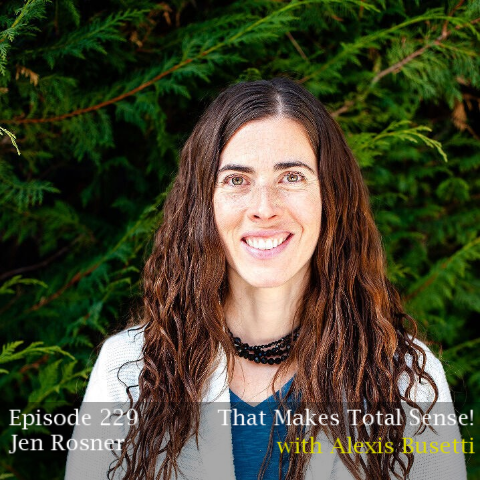
Speaker 1 00:00:06 Welcome to That Makes Total Sense, a podcast dedicated to exploring God's generosity and justice. I'm Alexis bti, a Christian aiming to ask good questions and encouraging you to do the same. Every one of us is wired by God to live out generosity and justice. But the how sometimes eludes us that makes total sense is a way for us to get together, posture ourselves as learners, and challenge one another, to practice generosity and justice in a tangible way every day.
Speaker 1 00:00:42 In this episode, I had the opportunity to speak with Dr. David Lamb about his most recent book, the Emotions of God. Besides being a fantastic and really fun conversationalist, David is a biblical scholar and a seminary professor. I just wanted to give listeners a heads up that the topics that we cover in this episode are pretty difficult, and you'll hear me reference that throughout the conversation. I will say things like, oh, this text is just really hard. And so I wanna say a couple of things about that. First, I want for us all as, um, believers, people who are exploring the Bible and theology to embrace that some of these texts don't have straightforward answers like we may desire of them. And the second thing is that there were places where David and I just didn't see eye to eye. Um, that's, those came up particularly in the areas of, uh, hatred and punishment and the way that God engages with the world in those spheres.
Speaker 1 00:02:05 But I wanted to say that that's okay, too, <laugh>, that part of having these difficult theological conversations is that there are some things that we'll agree with and some things that we won't, but we are all exploring and hopefully growing closer to God and each other in the process. Lastly, I will say one of my favorite professors who I actually reference in this episode, Dr. John Golden Gay, said early on in his biblical interpretations class, something like this, when it comes to theology, all of us are wrong, at least about 10% of the time. The problem is that none of us know which 10% <laugh>. And that, although I think his numbers are generous, especially as it concerns me, that is a quote that has stuck with me. An idea that has stuck with me as I have been in my formal theological studies, but also just as a Christian, it has helped me to approach the text and the people that I'm surrounded with, hopefully with more humility and grace than I would have otherwise. So I wanna say thanks for listening and, um, I hope you enjoy this episode with Dr. Lamb. I hope hearing us engage in these, with these topics and this conversation encourages you to do more of the same with your own conversation partners, with the Lord, with yourself, and with the Bible. Thanks again for listening.
Speaker 2 00:03:49 Hey, everybody. I am sitting here with David Lamb, and I have told him what, I don't know if I've ever told any other guest, David, which is this book was a little scary <laugh> for me to pick up. So I'm just gonna put that out there right now and say who I loved it. I finished it, uh, this morning an hour or two ago. Um, but you anticipated that when you wrote and released this book, David. It's on the emotions of God. So that might be a good place for us to start. Sure. Is like, why is this even the title freaks us out, the emotions of God making sense of a God who hates, weeps and loves and, and, and, and you start with hate <laugh>.
Speaker 3 00:04:39 Yeah. Um, let's come back to hate, but let me just ask you a question, Alexis. Why is it scary?
Speaker 2 00:04:49 It is scary. So we've already, so offline, we chatted about a little bit about Dr. Golden Gay. Yeah. And I will tell you, it's scary because of the quote he pulls up in his review. So, so I'm gonna, I'm gonna, I'm gonna pull from that and tell you why it's scary. So, so, John Golden Gay says, well, obviously God doesn't have feelings. Yeah. That would make him unpredictable and irrational. Right? The Bible's just making allowance for our way of seeing things when it describes him that way. So he's quoting you, right? But, but this, this is why, because emotions are unpredictable and irrational, and I need a God who is safe and under control and, you know, all of those things, right? Not calculated, but kind of calculated. <laugh>, not someone who's gonna fly off the handle. Right. Somebody who's gonna be able to keep himself under control.
Speaker 3 00:05:48 Right? Yeah. And, um, and I think you are probably not u unique in this regard. I think we're all a little, um, well nervous about, um, well, and I think it's o I think it's okay, well, first of all, I think it's really good that you could say that. And second, um, you're not unique. And there a lot of the people in the Bible were nervous about being around God. And if we're not sem a little bit nervous about being around God, we're not really understanding God on some level because, um, there's a lot of people in scripture, you know, um, uh, Peter, uh, after the, you know, the big catch, uh, Matthew 14, um, and, you know, he is like, he's over overcome, overwhelmed, um, uh, I, I, I, Isaiah in chapter six in the call, you know, woe is me. I'm a man of unclean lips.
Speaker 3 00:06:52 The Israelites, when they saw the, um, Mount Sinai in the distance, you know, uh, what chapter 18, 19, that should be a little bit scary. Now, again, the amazing thing, and we see this throughout the Bible, and maybe most powerfully, and the gospels that talk about Jesus is, uh, Jesus is, um, is un not always predictable and puts p makes people really uncomfortable. But, you know, <laugh>, he is so good and so compassionate and loving. He's gonna get angry. He's gonna, his emotions will come out, but it's gonna, they're gonna come out in the right ways, in the right times. And, um, and so, uh, yeah, it's, it's good for us to struggle with this. It's good to just acknowledge that. And, um, the more we read the Bible and maybe even read the parts of the Bible that have often gotten ignored, we're gonna see this God that may look a little different than what we thought, but we're gonna get to know God better.
Speaker 3 00:08:01 And that's what we want. And in general, what we're gonna see, and this, the, the thing that I saw in behind each of the emotions that I talk about in the book, is that we're gonna get a little bit of a, a deeper glimpse, glimpse of the love of God. And, um, we're gonna fall, hopefully fall more deeply in love with the God, not just of our church background or theology, but the God of the Bible, <laugh> Yahweh in the Old Testament, Jesus in the New Testament, we're gonna fall more deeply in love. We're gonna, it's gonna help us become better followers of Jesus, which I hope is what we all want. Um, but, and we will make <laugh>, Jesus makes his followers uncomfortable. And sometimes, uh, he does that by displaying emotions.
Speaker 2 00:08:47 Yeah. I mean, Jesus makes his followers totally uncomfortable, right. I mean, his disciples, and, you know, in the first century and us, I mean, I get totally uncomfortable. Like, I, I, I can't tell you how many times I'm reading through the gospels and I'm like, why did you do that? Why did you say that? Right? Like, it just, yeah. It sometimes is super frustrating. Um, yeah. And, and I wanna start with Jesus and kind of Okay. Set a little bit of a frame and then I'll let you, and I'll let you take over. So, in, in the beginning of the book, you talk about the divinity of emotions, and then you kind of, you kind of frame out the book with what, what we would call the negative emotions first and then the positive emotions later. And then you have this center point of sorrow mm-hmm.
Speaker 2 00:09:39 <affirmative> in the middle. Yeah. Um, and it's there that I kind of wanna start because something caught my attention, which is we're all familiar, right? Even if you've never been to a Sunday school class, you know that Jesus wept verse, right? And right. And you draw attention to this. And part of what you say is that a lot of scholars will, will pull that out and they'll use that as kind of an example or maybe evidence of Jesus humanity. Right. Look how sure he, he was, he was broken up, he was grieved, you know, this is a, this is a great example of Jesus humanity. But then you turned that on its head and, and ask the question like, but what if this is actually an example of Jesus divinity?
Speaker 3 00:10:27 Yeah.
Speaker 2 00:10:28 And, and you've laid out that these emotions are divine. So beginning with kind of that example that we're familiar with, could you take us now kind of back to the top where you started in the book, and, and maybe we'll start this conversation there. Something that helped me kind of soothed my <laugh> discomfort as I began this, which was, let me just think, let me just put everything aside for a moment and just pretend that I can listen to David here and see what if these emotions are actually divine. Like they're, maybe they're different than the way that many of us have experienced purely human emotions. They're this, they're similar, right? But they're also, there's something about the way God experiences and displays emotions that really is divine. So take us there and help us frame that.
Speaker 3 00:11:20 Yeah. So, um, I mean, there's a lot, lot we could say. Um, I mean, Jesus was, is, was will be God, the word became flesh that dwelled among us. So he is going to be displaying, uh, God to us in human form. And again, I love the gospels. Um, I, uh, I ended up in the Old Testament. And the, the, the hardest part about being an Old Testament person is I don't get to spend enough time in the gospels, but, um, I think, um, we, you know, there's a tendency to think Jesus kinda almost had two hats. You know, I talk about this towards the end, his, his divine hat and his, uh, human hat. And when he is reading people's minds or, um, you know, calm in the storms or feeding 5,000 people, well, that's obviously divine. That's not a human kind of thing.
Speaker 3 00:12:18 So he's wearing, that's, at that point in time, he's wearing his, um, his, uh, divine hat. But when he is, um, I dunno, falling asleep on the boat, <laugh> or, um, asking the woman at the, the Samaritan woman at the well, and John Fork, he's just, he's thirsty. Um, we think, okay, he's, he's human here, or, or when he gets emotional, uh, even particularly weeps. And he weeps, um, obviously in John 11, um, at the, after the death of, well, and the kind of, the midst of the healing from the death of, um, of Lazarus, um, he also weeps over Jerusalem, um, in Luke's gospel. But when we, we look at these examples of Jesus weeping and think, okay, well, he knew obviously that, um, he was gonna heal Lazarus. Uh, he knew, um, uh, he knows what's going on. So when he's not surprised by things, and I, again, I never, I never, uh, talk about, you know, God being a afraid or surprised.
Speaker 3 00:13:21 But, um, but when, when people, when people look at Jesus weeping and go, well, they, okay, well, that's, he's not being dev, that's not his. That's not divine Jesus. That's human Jesus. Cuz you know, um, many of us, hopefully a lot of us weep, weeping is a good thing. Um, and, and, but, you know, Jesus doesn't need to weep or, or when Jesus weeps in John 11, a lot of scholars think he's weeping because he's angry, because he's frustrated that they're not getting, that he is gonna, he's gonna heal, um, uh, he's gonna heal Lazarus. And that may be part of it. The, the, the word there. Um, uh, yeah, the word there, there, there's some, um, unique things in the Greek there that some people think, well, maybe he's, he's kind of angrier, kind of a little bit frustrated, and I get that. Um, but you look at the impact that Jesus is weeping hat on the crowd, and they go, whoa.
Speaker 3 00:14:23 See how he loved them? It wasn't like, oh, see how he was frustrated at them or see how he was just really pissed off that they weren't getting it. He was weeping, um, uh, uh, because of his love for Lazarus again. And I think that, um, Jesus, Jesus doesn't have two hats. He was always fully human and always fully divine. And the church has kind of drifted into heresy when we've talked too much. Now, again, this the two hat thing, that's kind of my analogy, but that's how it gets talked about. Um, and so I just think, um, we need to, we need to not, uh, speak heretically about Jesus and somehow thinking, well, he's weeping here, so he's, um, that's, that's human Jesus. No. Well, yes, it is human Jesus, but it's, it's divine Jesus too. Um, he's, he's one and the same. And so I think, um, as I look at, um, Jesus in the Old Testament, I actually seek a lot of consistency between, um, the life of Jesus, the New Testament, and how God of the Old Testament, Yahweh, if you want, um, you use the word that the text that the Old Testament uses most frequently for, for God, Yahweh, um, acts interacts with humans.
Speaker 3 00:15:51 Um, and so I think thinking about Jesus helps me make sense, um, because we see this, we see the same thing, um, in the book of Isaiah. Um, Yahweh speaks about weeping over the tragedy, um, that is befalling peop the people, and even, um, people that he is bringing this tragedy, um, in some cases when he needs to, to act or judge. So, um, yeah, I don't know. Uh, I'll stop there, but there, there's a lot more we could say about this, but yeah.
Speaker 2 00:16:26 Yeah. So this is, so thank you. Thank you for that. And I, and I do, yeah, I mean, of course this is, this is not like a, you know, we're not gonna pretend to be in seminary here, but I keep thinking about some of these councils, right? Like, people took a long time to try to figure out <laugh> what this nature of Jesus, you know, really was and is. Yeah. Right? And so, um, yeah, we're, and we're still talking about it, and we're still making some of the same errors, um, amen. That our, that our for parents did when, um, when they were talking about these things. And so, but it's because it's tough, right? I mean, it's, it's complex, it's complicated, it's difficult to, to understand, um, from, from our vantage point. Um, one of the things that you mentioned, and, um, <laugh> I'll, I'll say, I'll say this because I, because I got a kick out of it sometimes my husband says, you crack yourself up.
Speaker 2 00:17:25 I'm like, well, sometimes I'm just funny. But I was, I was reading your book and laughing cuz you, you put a lot of jokes in there and one of, but one of the things you talk about a lot that I can't really wrap my head around, so this is where I wanna go, is how the emotions of God are often, I won't say caused by, I don't, you can use, you can clean up my language there, but caused by people, right? Our sin, what we have done, our interactions with other people, this kind of thing. And so <laugh>, so I went to Jack Candy, like any, you know, <laugh> Bright person would right? With the, if a kid asks where rain comes from, right? This is deep thoughts by Jack Handy. If a kid asks where rain comes from, I think a cute thing to tell him is God is crying. And if he asks why God is crying, another cute thing to tell him is it's probably because of something you did <laugh>
Speaker 3 00:18:21 Something you did. Yeah. Deep thoughts, Jack handy, deep
Speaker 2 00:18:26 Thoughts, right? And I thought this, this colored part of the book for me was, I was like, yeah, this is God's crying. And it's probably because of something you
Speaker 3 00:18:34 Said. It's, it's all Alexis's fault. <laugh>, yeah. Yeah. It's, it's raining out here today. So, you know, uh, Alexis
Speaker 2 00:18:42 Is, Kristen is causing,
Speaker 3 00:18:45 Um, yeah. So I think, um, yeah, I, I mean again, there's, there's a lot, there's a lot we could say about that. Um, I think theologians have terms to describe God and I understand the impetus for the term. Sometimes theologians will speak about divine iPASS ability. So I'm sure you have some listeners that are familiar with that terminology. You probably have some, I I hope you have a lot actually who are not familiar with that. So if, if you're in the, the, the group that does not, or have, has not run across terms like divine and past ability, hey, well done. Um, cuz you're listening to Alexis podcast. Um, but when people, when theologians speak about divine and past ability, they're basically saying that humans, um, don't have, um, God is not sort of allowing himself to be, um, impacted emotionally by the whims and the, the, the, you know, the, the bad behavior of humans, um, that there's, there, um, God is, God is not well.
Speaker 3 00:19:50 And, and I think all of us would agree that God doesn't experience emotions in exactly the same way that humans do. Okay? So that's, that's fair enough. But I, one of my problems with the doctrine of a divine, I impossibility, and it's not one that I subscribe to, although I have a lot of friends that do, and I understand where it's coming from. Um, and there's a desire to, um, to kind of protect the, the holiness, the sovereignty of God. And I think, um, scripture certainly upholds those. And I think we need to be holding onto those tightly and, and continue to upholding those. Um, my, one of my problems though is kind of where does the doctrine of, um, divine, I impossibility come from? If you go back far enough, maybe Calvin, um, wrote kind of 400 years ago and then, uh, 400 years or so before him, this guy named Aquinas, and then you another 800 years or or so before him, you get to, um, Augustine.
Speaker 3 00:20:50 And then about another 800 years before that, you get to this guy named Plato, which I think we, I'm pretty sure we've all heard of him. But Plato talked about the unmovable mover. And in platonic thought, um, the, the, the deity needed to be, you know, the, the pure deity needed to be unaf unimpacted, unaffected impassable. Um, um, and, um, the problem though is Play-Doh and it's, it's fine for us to be engaged with Play-Doh, but when poor principles of our view of God are shaped, not by scripture, but by platonic thought, I have a problem with that. And as I read the, the God of the, the, as I read the, my Bible, I am over, I'm overcome, overwhelmed with how often the God of scriptures not, not the God of platonic thought, um, or even Aquinas. And again, we've all got a lot of the great things to learn from Aquinas, Augustine, Calvin, et cetera, and we could talk all day about that.
Speaker 3 00:21:59 But the, the God of the Bible is clearly according to scripture, impacted by humans. And, and he is not indifferent to human, um, uh, faithfulness and obedience or h human, um, uh, uh, unfaithful and disobedience. It affects him. In fact, we learned this just in, in the, the sixth chapter of Genesis, the violence of humanity grieved God. It it was breaking his heart. And some people, anyway, we could talk more about that. But, um, if my view of God doesn't allow for God's heart to be broken at human sin, as Genesis six describes, then instead of trying to explain away Genesis six, I need to change my view of God. Uh, and it's, but it's not just Genesis six and that this is the, the beauty of this is, um, it's literally all over the place. Uh, um, so again, I'm not saying that God experiences and expresses a mu emotions just like we do.
Speaker 3 00:23:14 He's different. He's divine. But a lot of these emotions are the same. And again, the, the, the, the Hebrew words and the Old Testament and the, the Greek words and the New Testament, they're using the same words to describe what God is like in the old and what, and how Jesus, uh, you know, Jesus is like new. And again, when I say this, there is one God, but I'm just, I'm as I'm as we're talking about this, but, um, I'll just take one example. Anger. Now I'm assuming we've all been angry. Maybe we've all been angry today. I don't know. Let's ma let's hope not anger. Um, uh, but when God gets angry, he gets angry slowly. I know when I get angry, it's not usually slowly, it's, I, you know, I got, I pretty frustrated at my dog. We've got a, we've got a, um, a chocolate lab.
Speaker 3 00:24:11 She's a little bit of a mutt, a little, uh, bit of a rescue dog. She was not, not listening to my, um, I'm not a dog whisperer, okay? I was trying to get her in. I just got really mad at her a couple nights ago. Um, um, I, I, you know, but I can be quick to anger and I think a lot of people are, you know, we're driving down the road, somebody cuts us off, um, a family member insults us. Maybe we're, maybe we're hangry. It's, you know, it's, it's five 30, we haven't eaten whatever, you know, we, we, we could all we could all share, um, the, the, the, the angriest times that the stupid things that we've done in the midst of anger, uh, and that that could go on for a long time. The beauty of, of a God though is yes, God gets angry, but it's consistent the way God has described. And he describes himself this way. The text strikes way, he's slow to anger.
Speaker 3 00:25:06 That's pretty different. And God gets angry slowly, and it's always for a reason. Um, and so, um, I think there are pro, I'm sure there are times where God would be angry at me, but I am even more sure that he's not gonna get angry, uh, with me quickly. Um, but, but he is somehow in his divine eminence is able to, and sovereignty is able to con control his anger. Um, and so when we do see him display anger in the Bible, and there's a lot of places where he does that in a way that's troubling, we can be confident that, um, there's a, there's a profound reason for it. Usually it's because, um, people that are creating his image are being damaged and hurt, and he's stepping in to kind of advocate for them. Um, but, uh, there's, there's always gonna be a reason for it. And it's, it's always gonna be that he's, he gets there slowly. Um, and I think for me, that is, that is, um, amazing. Um, and it that leads me to worship because I'm think this, this being is so different from me. Um, and, uh, I praise God for it.
Speaker 2 00:26:30 So let's, let's hang there for a second. Sure. Um, I'll, I'll, and you can, this can be a, the choose an adventure question cause I've got a couple things on my mind. Um, first was the, the Genesis six. Um, so you can hang out there if you want to. What struck me when I read that was that as you des as you described it, this is really one of the first places, maybe the first place that we see God's emotions coming out Yeah. Um, in, in the scriptures, which is, you know, pretty crazy. Cause he's done some pretty crazy things like, you know, create the world and stuff. Yeah. And so
Speaker 3 00:27:08 Then like this
Speaker 2 00:27:09 And being the place where we see his emotions, but then also in, um, now don't tell my professors, but I'm like, ah, it's Leviticus. Right? But anyway, but the but scripture that you were just, that, um, you just alluded to that God, um, introduces himself right. As being a God of compassion, who is slow to anger and quick to forgive. And, and that the way that you described that of his, you know, introduction of himself involving this description of his emotions.
Speaker 3 00:27:42 Yeah.
Speaker 2 00:27:42 And that feels so powerful to me that, you know, as, as I described with myself at the beginning, I, I kind of want God to have these boxes that he checks offer to be these things that feel very stable to me. Um, and emotions sometimes isn't that, although you address that as well. Um, but that he describes himself with e these emotions as being kind of the framework for, um, you know, his, his intro, his introduction of his, um, of himself as his character of his person, um, to yeah, the, the people of God. So, yeah. So anyways, ki kind of a kind of a choose your, choose your own adventure there. But those were the two things that that stood out to me as you were talking just now.
Speaker 3 00:28:27 Yeah. So, I mean, yeah, there's, there's a lot, a lot to be said here. I mean, I think, um, I, I, I see hints of God's emotion, um, even in creation. Um, although the, the language is hard, is harder to see when, you know, when the text says, um, God, um, created the first day and, and it was good. Uh, second day it was good. Um, third day, good, you know, fourth day, et cetera. Um, the word good there, tove in Hebrew, um, good is a good translation. But there are <laugh>, um, good ha tove has connotations that good does not capture. Um, and, and there there's an essence that we can see that God's not just saying, Hey, this is okay, but this is wonderful, delightful. And so I see hints, but it's, it is more subdued and, and, and, um, more implicit in Genesis one, we see hints at God's delight in his creation, then, you know, makes the humans, um, it's very good.
Speaker 3 00:29:30 Uh, but then the fall, right? The, the, or the, the, the Bible doesn't call it the fall, but the eating of the apple, no, it wasn't an apple. The, the eating of the fruit, the forbidden fruit. Okay, that's probably the best way to talk about it. God comes and starts asking questions. It's like, why is he asking questions? This is the worst thing that's happened. Well, maybe arguably in, uh, in all human history. Um, but he, but don't get a lot of emotions there. But then, you know, finally we get to Genesis six and the humans that these, his divine image bears that he created, you know, literally breathed into the man the breath of life, uh, in Genesis two. Um, these guys are, are killing each other. And it literally breaks his heart. Um, and, you know, it says, you know, he was sorrowful or he was grieved, that he made humans, actually, first of all, the text says this.
Speaker 3 00:30:27 So the narrator says it. And then God himself says this, now you question, well, who's he talking to? Well, we don't know. But I, I would say like, uh, um, someone that's in touch with their emotions realizes that it's good to, it's good to process them. And for any of you guys who were seeing counselors or therapists or spiritual directors, they're, they're probably, I, I had a meeting with my spiritual director this morning, and she was helping me process my emotions. And it was good for me. It's part of my, my own therapy. And I think God, um, often does this. So it's not like God is embarrassed, um, about his emotions. It's like, oh, I shouldn't talk about it. Uh, I'm just gonna stifle these emotions. I'm gonna keep, yeah, I'm feeling them, but I gotta keep 'em down. <laugh>, no, he talks about them, talks about them freely.
Speaker 3 00:31:24 I mean, you know, later on, um, after the, the incident of the golden calf, this is an, an exodus. You know, God says, you know, I'm gonna, Moses, leave me alone. I need some time by myself, Moses, uh, I'm, my, my, I'm gonna let my, my wrath is gonna burn hot. Leave me alone. Now, I don't know if you guys have family members who are really mad, you know, maybe they're slamming the door a lot. I don't know, maybe a teenage son or a daughter, or maybe a spouse or a parent, or maybe your father growing up. Somebody come and something bad happened at work. I don't know what it was. They're slamming the door and they're yelling. It's like, what do you do in those situations? Do you kind of get close to them? Or do you flee? I think most of us in these situations, we run away cuz we, we don't wanna be the, the recipient, the victim of, of, of a family member's anger.
Speaker 3 00:32:19 Well, Moses, in this situation, he presses in God's angry, and Moses comes in and he, he ends up convincing God to, um, well, basically to change his mind to relent. And then they, they have this conversation that keeps going. And that this is when God reveals his character in perhaps one of the most profound places In Exodus 34, um, Yahweh says to Moses, the Lord, the Lord, uh, God, merciful and gracious. Okay, so there's a couple emotions there. Slow to anger, okay. Another emotion there. And abounding and heid, steadfast love, um, and faithfulness, keeping heid steadfast love to the thousandth generations. So we've got a whole, whole batch of different emotions, both kind of more positive ones, nice ones, um, uh, love, mercy, grace, um, and then kind of, um, motions that we might feel more nervous about. Um, negative emotions like anger here. Um, Owen, just a couple of chapters earlier, um, and actually he, he spoke about being a jealous god as well.
Speaker 3 00:33:31 So, um, in fact, a couple verses later, he's gonna say he, he's, he's a jealous God. Um, uh, yeah. Um, 34, um, um, chapter X is 34 14. He says, he's a jealous God. So it's like, God, why are you talking about yourself with so much emotional language? Well, because our God is a God of emotions, and he is not embarrassed about it, but talks to Moses, this guy that deeply knows him, and Moses wants to know and gotten him better. I mean, Moses had an experience with God, relationship with God like no one else, uh, at least in the Old Testament. And, and Moses somehow got a glimpse of God and who God's character was. And in Mo and God's self revelation of his character, emotions dominate the descriptions. And I think, oh man, how did I miss this? But, um, I think, um, um, and, and emotions are not sort of this peripheral aspect of who God is, but there are core part of his being. And, um, I find that pretty helpful because, uh, I'm, I'm not always aware of my emotions. I'm certainly not always in touch with my emotions, but, um, I know I'm made in his image as, as everybody, but, um, I don't fully understand or appropriate, um, or think about emotions, uh, like the Bible might want me to, or maybe, uh, uh, wow. The Bible is trying to help me, um, get in touch with them and make sense of them. Um, as I read through stories like, uh, well, Genesises six or Exodus 34,
Speaker 2 00:35:21 Some of these, um, are really tough. So God's being angry, God being jealous. Yes. Um, hate you start with hate. Yeah. And, and a lot of times on, on this podcast, we have conversations about, um, God's justice and what does that mean and what does that look like? And honestly, a lot of these first three, four and two, and to some degree the, the last chapters as well, um, touch on that because yeah. You know, um, God's crying, it's probably because of something you did, but he, you know, he really gets, he gets emotional when he sees injustice. Yeah. Um, happening, right? Yeah. And, you know, you, we, we talked about it in, in the context of Genesis six, and I think in Genesis six, sometimes it misses me because I've probably read way too many, and I'll just say this up upfront, I think there's way too many kids stories on Noah.
Speaker 2 00:36:25 Anyway, <laugh>, this is like a really like rated R kind of thing to, there's a lot of violence. There's a lot, you know, I'm like, why do we have nurseries? You know, not during us throw shade, but like with arcs everywhere, right? This is, this feels a little problematic to me, but I've probably read way too many children's stories where it's just kind of like, oh, everybody's fussing and fighting and the, the killing and the violence and everything is mutual. At least it's what I have in my, in my head. And so it doesn't feel like injustice to me. Uh, and, and, and, you know, in terms of, um, oppression and weak and strong and power dynamics and things like that in Genesis six, although I, I'm not saying that that's not at play there, but in other parts of the scriptures, um, especially in the Old Testament, we can really, the, these are some of the troubling places that you touched on earlier. You know, when we see God's these really tough emotions, but often they're in response to some very significant injustice in some Amen. Oppression that's serving place. Amen. Can you take us there?
Speaker 3 00:37:32 Sure. No, I think that's good. I mean, I teach the Old Testament, and so I'm, I I spent a lot of time dealing with some of the hard parts of the Old Testament, cuz people ask me a lot about that. Um, I think a lot of people wanna just ignore the, the hard parts, which I understand I am, but I don't wanna, I don't love this. Um, but I just have a pretty deep conviction that all scriptures inspired and profitable for teaching, um, even, um, the darkest bits of the Bible. Um, and so, you know, this book, the, the dark bits were taking in me into the, the hatred of God, the anger of God, and the jealousy of God, these kind of, these harder emotions. Um, <laugh> I, I, I spoke on hate recently, and I started out by saying, I hate talking about hate.
Speaker 3 00:38:17 I really, really hate it. Um, but the Bible leaves me no choice. Um, and I, I've, I still feel bad starting the book. This, you know, chapter two is on the hatred of God i's like, ah, but I kind, I just kind of feel like the Bible leaves me no choice. The one of the things that that helped me though was as I looked at this, the things that God hates, now I'm gonna, we'll come back to this. It does talk about him hating people. Okay. But let's maybe wait on that just a little bit, Elise. But the, the types of things that God hates, um, um, injustice, violence, robbery, um, uh, bloodshed, um, these are things that's like, okay, these are things, these are not good things. And because God so deeply loves humans, when some humans, um, and it's usually the people with power, um, uh, or the people, the people in power, the people that have the money or whatever that are running the governments when they're the ones that are exploiting or taking advantage of people that have less power, the marginalized people.
Speaker 3 00:39:33 And the Bible talks a lot about caring for the, the poor, the widows, the orphans, the foreigners. Some people that are kind of marginalized on some, in some capacity, when those people are being exploited, look out because the God of the Bible hates that. Um, he, it makes him mad. It really infuriates him. And, you know, the world we live in, there's a lot of injustice. There's a lot of horrible things. And it's easy for me now, when something bad happens to my wife or my sons or, you know, uh, my parents are, aren't living anymore, but close friends of mine, when bad things happen to me, I'll get pretty irritated about that. Again, I think I'm, I'm not, probably not unique in this regard. When bad things happen to people in other places that I have no personal connection with, it doesn't affect me now. And then there's, there's, there's a reason for that. I mean, we cannot <laugh>, I cannot take on the sins of the world or the, the sorrows of the world that's we'll leave, I'm, we're gonna delegate that to Jesus, right?
Speaker 3 00:40:42 But God, in his divine, infinite capacity, somehow is able to, um, process all of the, the, um, uh, uh, instances of evil and oppression. And he is not indifferent to that because he loves. And so I think that this is, I mean, maybe it shouldn't have surprised me, but in each of these negative re interactions, um, you know, God is, um, well, particularly the, the hate and the anger in it often, what was, um, fueling it was a desire for justice and righteousness. A desire that, that the people that are marginalized, um, get cared for and their needs get met. And then ultimately, I think we would say, um, what is behind it is the, the love of God. The love of God compels God to not be indifferent to, um, horrible manifestations, evil. He, he, it's not, it's not like it, it, it affects him and it affects him emotionally. And that's what the Bible speaks very clearly and positively about it. And for me, it's like, well, that's pretty compelling. That is something not to be embarrassed about for me now, but that, that's something that I can, that'll preach. I I can, I can, I can talk about that and, and, um, uh, and, and share that in, in context as, as frequently as I can. And I think that's gonna be compelling not just to me, but to, um, other people as well.
Speaker 2 00:42:22 Yeah. I mean, for sure. And now we have to go there with the people. Yeah.
Speaker 3 00:42:29 Okay. David. Yeah. Gosh. Yeah.
Speaker 2 00:42:31 That's hard.
Speaker 3 00:42:34 It is hard. It is hard. And I think, um, you know, uh, um, the, the classic, the the classic text, um, that kind of gets talked about is, um, uh, Jacob, I loved mm-hmm. <affirmative>, um, but Esau, I hated, um, Malachi chapter one. It's kind of very, the be the beginning of that, of that book. Um, and there again, there's a lot to be said about that. Um, um, alright. And what, why don't you say, let's just say that's a hard text, and I think it's okay just to say that's a hard text and maybe just pause, take a deep breath. Yeah. That's a hard text. Um, if someone asks me about, uh, uh, that passage, the, I don't wanna jump in and try to give 'em an answer and shove an answer down their throat, the first thing I wanna do is say, yeah, that's a hard one. Uh, I, I I need to, let's just stop and validate that question. That's a hard one.
Speaker 2 00:43:29 Yeah.
Speaker 3 00:43:31 But then here are a couple things that help me make sense of this. Um, we read a word like hate, and we equate that to what the Nazis did to the Jews, or, um, you know, the kkk uh, did this to, you know, African Americans in this country or in, you know, these hate groups, right? Um, these hates are very different types of hate. Um, and as I read through Malachi, um, chapter one, it's pretty, when, when it says Jacob, I, I loved, and Esau hated, um, Esau there in some ways is not just referring to Esau, the brother of Jacob, um, uh, a son of Isaac, but, um, the, the, the people, the descendants of Esau who became known as the Edomites. And as you read that, you realize that God, when God says, I hate Edom in that context, he's saying, I am willing to judge the people of Edom for the evil that they did.
Speaker 3 00:44:42 Now, any of us that have been punished by parents might say, you hate me. And, um, and then on, on one level, you know, I, I, I wouldn't recommend this to a parent, but there's some truth to that on some level, at least that is the reality of how it feels. You hate me now. Um, I think most of us would say when parents punish a child, judge a child for doing something that is wrong, even though it might feel like hate or even look like hate, it's ultimately love, right? We, it's love. Um, and I think some of the, the language of, of hate in scripture, we just need to acknowledge that there is some hyperbole there. You know, when I, when I, when I go up to somebody and say, oh, you know, I might do this to my wife, she know she's working on something.
Speaker 3 00:45:43 I said, oh, uh, Shannon, I hate to interrupt you, but what am I about to do? I'm gonna interrupt her now, but I hate interrupting her. Oh. But I don't really hate it all that much. I just hate it a little tiny bit. And my hatred of interrupting her is gonna be easily overcome from my desire to actually get this information from her or give her information. So, you know, we use language like hate all the time. I, I, I think the Bible is, um, it's doing something different. Um, but when we look at this word for hate, it's, uh, there is a reason why like this passage speaks about God hating, um, Esau. And I think we need to, we need to look at the context. And I think as we look at the context, it'll make a lot more sense to us. Likewise, when Jesus says, um, if you wanna follow me, you have to hate your family.
Speaker 3 00:46:36 Uh, or he, he who doesn't hate his family, um, can't follow me. And I'm like, well, Jesus, what's going on with that? Um, I mean, it sure sounds like he's telling us to hate our, well, we know from the rest of scripture, the people of God and the, certainly the followers of Jesus are called to love our parents and honor our parents. That is the, the clear, in a way, perspective of scripture. But there are times when, um, uh, you know, when, when Jesus is calling us to do something that might be different from what our parents want. Um, and for those of us who have gone into ministry, this was certainly true for me when I felt like God was calling me into campus ministry. I was on staff with inner varsity for a long time. Um, it can feel like that is hating my parents.
Speaker 3 00:47:27 And there's, there's a hyperbolic sense to that. Um, the, the, the, the goodness, the good thing about saying hate there is it gets my attention. We have to look at the rest of scripture to realize Jesus is ultimately the bottom. The the big thing with us and our parents, we're not supposed to hate them. We're supposed to love them. And sometimes what it means to love them will be to not do what they want us to do, which might appear like hate, which I think, I think is, um, or, you know, people often talk about it means loving less. Um, you know, we, we love them less than we, we love, uh, a love Jesus. So yeah. Anyway, there, there's, there's more. It could be, there could be said to that the, the thing that as I looked, and two other things, fi final things about hate the Bible doesn't talk about hate very much. Talks about love a lot, compassion, a lot anger, a lot divine anger, but not divine hatred. So it, it only shows up a few times. So that's, I think that's the big takeaway. And then the other one is just whenever, whenever it speaks about God, um, hating either actions, it's very clear. And even in the, the couple instances where it does talk about people, there's always a, a deep motivation of love that is behind it. And that helps make, make a little bit more sense of it.
Speaker 2 00:48:48 Yeah. I don't know if this is, um, yeah. Kind of a good place to bring this up. But, you know, I, I, I think, I think one of, one of the things that I'm learning, and, um, while I haven't taken any of your classes at the seminary where you teach, it's, it's a very kind of seminary thing to, to, to come into this understanding of like, wow, a lot of these are just hard and we can't, we can't, you know, reasonably, you know, kind of figure them out or, you know, make a complete sense of what we're reading. Sometimes we just have to sit, you know, with the fact that they're really tough. And so a lot of these, yes, especially a lot of the Old Testament passages where we see God's wrath and his anger and sometimes his hatred, um, feel just like I, I, I sometimes have to set them aside, not not necessarily ignoring them, but set them into kind of a different place in the way that I <laugh> and where I think about things and say, this to me isn't clear cut.
Speaker 2 00:49:53 Like, I have to put this in the not clear cut compartment. Right? Right. And this is really difficult. And yeah. And, um, you know, so there are lots of those. But some of those places, and I'll, I'll just kind of mention it briefly. Um, in some of these, in some of these tough chapters, you do place God's compassion alongside Yeah. The wrath, right? Yeah. Or the hatred, right? So his slow to angerness that might require God's justice, might require, you know, violence or, you know, these really, really, really tough things that make me squirm. And we see God not rejoicing in that. Yeah. Um, and really do bring that to the forefront. And, and so I just kinda wanna mention, mention that in, in, in all of this, um, you not all of these hard places that we don't see God <laugh>, you know, we have, we have four kids, and sometimes they kind of do the waha, kind of the villain laugh, you know, like, we never see that from God, right?
Speaker 2 00:51:02 Like, we see, we see these, we see these other, we see laughter, right. Or joy, but we don't, we don't ever see God experiencing joy, um, to the detriment of, of any of his creation, but certainly not of people. Um, and so I just think that maybe that's just something I just kind of wanna throw out and say. It's one of the things that helps me as I navigate through some of these texts Yeah. That I, that I don't know, uh, what what else to do with. Um, but I know that it's inside of God's character that even when really tough things are happening, and even when the scriptures say God is doing some of these tough things that I don't understand that he's not, those aren't the places where we see God experiencing joy, right. Um, is is when some of these really tough things are happening. So I'll just kind of throw
Speaker 3 00:51:55 Yeah, yeah. No, and there, gosh, there's so much, I mean, again, I I, I, I can't say enough about let's, um, as people who teach the Bible preach, lead Sunday schools, whatever, do devotions with families, anytime we teach the Bible, let's just acknowledge that sometimes it is tough. And let's, let's not, let's not avoid the tough bits, and let's let people, um, let's create safe places, safe spaces for people to struggle with their hard questions about God. Um, and, and I I do think, um, yeah, I mean, again, this was kind of a new thing. I, you know, I, I've been teaching the Bible a long time, um, uh, but teaching at this seminary for, uh, 8 17, 18 years now, um, and it, it, I, I was reading in I Isaiah chapter 15 and 16, now, God, on some levels bringing kind of a judgment on Moab, and I don't fully understand all of what's going on, but it says his heart in verse five of Isaiah 15, my, my heart, this is God speaking, my heart cries from Moab.
Speaker 3 00:53:11 Um, and, you know, it kind of goes on. Um, and then he, he, he talks about how hard it is, um, that Moab is going through this hard time that he has in the process of bringing about. Um, and so, um, well, and the same again, the same thing with, you know, a text that's probably far more familiar to people, which we've talked about already, uh, in Genesis six, that the fact that before the, the judgment of blood came, God says this, this is just, this is breaking my heart. Um, uh, you know, and Jesus knew what was gonna happen to Jerusalem, uh, you know, within a generation or so after he died. And it, it broke his heart as he wept over Jerusalem and Luke's gospel. So I think, um, it's, again, it's not like God is, you know, like doing the more haha kind of the, uh, you know, the glee, uh, over someone's suffering, if there are only a word for that.
Speaker 3 00:54:16 Um, but you know, that that's, that's not what God is like. Um, and, uh, and I think that he, I don't fully, fully understand why does God, why does the this, why does Scripture describe God this way? Well, but I do think it's pretty clear that God understands that he knows what he's doing. He knows that it's gonna be hard. He knows that he is ultimately doing it for love and for good reasons. But, um, uh, he wants to, in some ways, kind of model for us how to respond, um, when bad things are happening to people. Um, and again, in scripture, we, we will often see that because God is bringing it about, but even just, there's a lot of times that bad things are happening to people, and it's, God isn't explicitly kind of the source of it, but, um, uh, yeah, it's hard.
Speaker 3 00:55:16 And, and I think, um, we, we can't, we can't, probably can't say that enough. Um, but, but God is with us and he is weeping with us, uh, just as he was weeping with Mary and Martha, um, at the tomb of their, their, um, soon to be resurrected, but currently dead brother, um, in, in John chapter 11. So, um, yeah. Um, I, the, the other thing I, I just to kind of say though, is even the, um, you know, I kind of talk about these, some of these positive emotions, even the, the compassion or love of God, um, can be hard too when we don't want God to show compassion to people, that we want him to punish someone's done something to us or our people. Um, and we, we think, yeah, let him have it. And God shows mercy, um, which is what he does. That's just, that's God's god's modus operandi. He, he just, he loves to show compassion. Um, and so that can be hard too. And so I think, um, the more we can bring our heart, and that's with all the emotions along with them, um, to be in line with God, um, the better place we will be. Um, but, um, yeah, it's hard.
Speaker 2 00:56:39 It's hard. Um, well, let's move to some of those positive ones, because we know God doesn't have the glee over anyone's suffering, but he does experience joy. Yes. And, and this was one of the fun chapters for me. Um, I'll say, I have a, I told you before we started recording because she's sometimes snores or makes strange noises, but I have 130 pound Mastiff who is laying currently at my feet, and she is 100% ridiculous. Like, there's nothing about her that's not absolutely ridiculous, right? She's got these giant jowls and she flowers all over the place, and she thinks she's a lap dog. And it was just a few years ago, I just <laugh>, as you say at the beginning, it's hard to, it's hard to hide your emotions when you're, when you're weeping so loudly. But I was just, I just burst into tears because I was looking and at my mastiff and petting her and just, and just thought, what kind of a God creates something like this? She just brought me so much joy, right? Yeah. And I just, I just loved that moment so much. And, and of course there are moments, you know, like that every day with her. I don't always burst his tears, but, um, you know, I'm like, God, what kind of a god, what kind of a God would make this kind of creature? She's absolutely ridiculous. And, and, and you, and you talk about God with the, the sea creatures, right? That like, yeah. Just bring him joy and just thinking about that Yeah.
Speaker 3 00:58:21 Yeah.
Speaker 2 00:58:22 Makes me excited about the kind of, about the kind of God that we get to be loved by, and love and worship and serve and, and all of these things. And so, and I think it goes, um, and my mind is going back to, uh, you kind of thread this throughout the book, that God doesn't just feel these emotions, but he displays
Speaker 3 00:58:44 Yes, yes.
Speaker 2 00:58:45 These emotions. Clearly, it's not like he has this kind of little tiny smile on his face, you know, I'm imagining
Speaker 3 00:58:49 No right.
Speaker 2 00:58:50 <laugh>, he like, right. He probably bursts into laughter, right? Like he Sure, sure. Or singing you talk about, um, because he has, he displays this joy. So what about God's joy? And, and, and, and, and compassion and love you, you get to as well, but I kind of wanna struggle with joy.
Speaker 3 00:59:11 Yeah. And, um, joy, joy, again, this was one of the most enjoyable, um, chapters that I wrote. Um, it was just fun to see, see, we just don't think about our God as happy. Um, uh, he delights. Um, but, um, oh gosh, you know, you read through the gospels and these parables in, in, uh, in Luke 15, uh, I didn't even kind of go into depth. You know, the, the, the widow who is kind of like the, the, the Jesus tells three parables in a row, uh, the lost coin, the lost sheep, and the lost Son, if you will. Um, and in each case, it ends in joy because this coin or this, uh, sheep or this son that was lost was now found. And the, the, the person that lost and then found this, these objects is just so happy. There's, they throw a party, you know, and again, read through the gospel sometime and just notice how many parties there are.
Speaker 3 01:00:13 Yeah. Celebrations, a lot of the parables in with some kind of a party. Um, but, um, you know, the, so I, you know, what, what the, the image, the image of the kingdom of God that, you know, for heaven, really, and, and certainly in the gospels is just, it's a big party, a big celebration. And I think that, um, if we're, if we are not people of joy, we're missing something. What is it? See, Lewis said, joy is the serious business of heaven. Wow. I'm, I need to, I need to get, I need to do my homework to get ready for heaven. So I need to just, you know, my, the subs, the prescription for me is just a lot more joy. And, um, I can be kind of a, a silly person. I, I, I love to laugh. Um, I think I've got a good sense of humor.
Speaker 3 01:00:59 Some people agree with me. But, um, that, you know, and, and, and for me, it was just, it was great just to see the joy in God's creation of the, the, the, the heavens and the earth, the, the plants, the animals, and then the humans. Uh, he was, uh, again, I translated it basically as utterly delighted, um, or pure bliss over creating the humans. Um, and I think that's, um, there, there are a few commentators on Genesis that kind of capture the essence of that. And I think that that's certainly there. But, you know, we live in a day, an age, um, where people are just stressed and anxious. Uh, and, you know, Jesus has got the, the, the 2000 year old, um, um, prescription for that. Look at the lilies, look at the birds. Uh, they don't toil or spin. You know, your heavenly father feeds them.
Speaker 3 01:01:53 You know, doctors will tell you, um, pagan doctors will say, uh, science is realized. Yeah. It's, it's part of our health and our healing. Um, stress levels go down when you go out into the woods. Well, Jesus was saying a version of that a couple thousand years ago. And yeah, I'd say kind of goes back even further. Um, so yeah, I, I, it, it, when we look at God's creation, we get glimpses of the beauty of God's, God's creation, the beauty of our God. And you know, as you look at your 130 pound massive, um, I look at my 65 pound chocolate lab, or we look at the lilies, um, and the birds, there's a way that we connect to God, God's creation, God's beauty. Um, and ultimately it gives us joy because we are finding joy. We say, this is tove good. Um, delightful.
Speaker 3 01:02:57 Really, you could say tove instead of tove, instead of saying Good, good, good is just, it kind of undersells what's going on. God isn't kind of going, I'll give the earth and sky a B minus, you know, okay, well these animals over here, you guys get a, a sea, maybe a c plus when God's G grading these things, he's not like, yeah, this is okay. That, that's, that's sufficient. You know, a again, we all have Amazon ratings on everything, right? I don't buy anything above a 4.5, right? On Amazon, when I use Amazon, use a lot of things as well. But if you saw something that got one or two stars, there's no way you're gonna buy that three stars, Uhuh. It's gotta be at least four or above. So when God, God wasn't giving his creation three stars out of five, he was like, this is the best thing ever.
Speaker 3 01:03:55 This is five out of five, this one goes to six. Um, he's so happy, he's joyous. Um, and, um, you know, I don't know. I, we need to talk more about the joy of God. Um, uh, you know, we, we read about it in the Psalms, um, uh, we read about it in the parables. I, you know, I, I I I just think, um, we, we need to think more about, um, about God and God's joy. And, um, it's just good for our soul when we're stressed and anxious and sleeping, you know, not sleeping well, um, connect to God through his creation, uh, through his creatures, through his 130 pound mastiffs.
Speaker 2 01:04:40 That's crazy. Um, David, I'm gonna switch into student mode for the last, just couple of minutes here. Sure. Because I, uh, sometimes I like to ask this of guests, but I especially like to ask it of professors because sometimes I feel like when I'm in class, they're just, sometimes my profs are just chomping at the bit. Like, if someone would just ask this, I would just <laugh> say, say this answer. Say what I wanna say. So what's the question I didn't ask? Like, where's the thing? Like you roommate, like, man, if she would've just said this, we would've gone, we would've gone here. And let's ask and answer
Speaker 3 01:05:23 That. I think you could say, um, so what, what difference does it make?
Speaker 2 01:05:27 Here you go, so what?
Speaker 3 01:05:29 So
Speaker 2 01:05:29 What, so what, David? So what, who cares about the
Speaker 3 01:05:32 Emotion? Well, you know, it, it ultimately doesn't really matter that God is emotional. So I think we could just end now. <laugh>.
Speaker 2 01:05:37 All right. Great for having you <laugh>. Uh,
Speaker 3 01:05:41 Well, yeah. So I would say, um, I mean, again, uh, Alexis, I appreciate you, you're asking great questions. Um, uh, and I really like this last one that you came up with. I, I think that's particularly clever. Um, but, um, I do think we need to be asking our pastors, our Sunday school teachers, our, our devotional leaders, um, our whoever is teaching the God's word, and just say, excuse me. So what? Right. Because what difference does it make? And I, I do think, um, when, when I'm speaking to the, the teachers out there, I would say, um, we need to be people that are, follow the example of Jesus in the New Testament, in God, in the Old Testament, and talk more freely about our emotions. Um, and we need to, um, we need to not kind of, um, manipulate emotions in order to manipulate people.
Speaker 3 01:06:38 That's, and that can be done. And, and, um, for those of us who are more emotional than I would certainly put myself in that category. I need to be careful. Uh, and my, I'll tell, I'll ask my wife, it's like, uh, did I cross the line there? Um, so we need people that can kind of hold us accountable to not using emotions to manipulate people, but we, likewise, we need to just say, gosh, the God of the Bible uses emotions, talks about emotions, and the people of God do this a lot. What is this gonna look like as a, for me, as a preacher, uh, as a pastor, as a Sunday school teacher, as a seminary student, as a, as a mother, as a father, uh, as a brother or sister, that, um, we have all been in a situation where someone is speaking and either now in, in a good way, they get really mad, or they may just get really sad and start to weep.
Speaker 3 01:07:40 We remember those moments, those moments have a deep impact. Jesus' tears had a profound impact on Marian Martha's, um, community. See how he loved him. And I think when we, um, stifle emotions or God's emotions, we are not only distorting the God of the Bible, but we are doing a disservice to the people in our ministries, um, because we are depriving them of a, of a, of a really legitimate, valid aspect of their life as humans, and we are, um, depriving them of opportunity to be deeply shaped by us. Um, so yeah, emotions. I mean, again, I, I've got a couple of books that talk about this. Um, uh, why, um, made to Stick, why Ideas, some ideas, um, survive and others, um, others die, um, by Chip Heath and Dan Heath. Again, these guys are writing actually for marketers. Um, but they, they tell stories about teachers.
Speaker 3 01:08:59 Um, and I, and, and a few stories, certainly they discuss a couple of Bible stories as well. Um, it's, it's emotions help messages go deep. And we, we don't talk about that enough. Um, we have, we have all seen powerful examples of, of speakers that have been emotional, um, in a way that's appropriate. Um, and we're gonna be talking about those experiences for a long time where we're gonna forget a lot of the rest of their content. So I just think we, um, yeah, let's, um, let's not distort the God of the Bible by stifling his emotions and let's not squelch the divinely inspired work of the Holy Spirit in our lives and our ministries by squelching quenching our own emotions. So, um, that's, that's, I guess that's the, the word. Um, yeah. So figuring out what it looks like, um, you know, help have people that come alongside you that help you make sure that you're doing it in a way that's appropriate and not manipulative, but, um, but yeah. Yeah. Let's, let's, let's express our emotions. Emotions are divine.
Speaker 2 01:10:24 That's the so what, thank you. Alright, David, this has been an incredible time. I mean, this is not a, it's not a tone by any stretch of the imagination, but it is very rich and we just hardly hit on <laugh>. We hardly hit on any of it. So I'll put the link, um, to grab this in the show notes for people who want to explore this a bit more. This is the emotions of God making sense of a God who hates, weeps and loves. Thank you so much, David, for coming on.
Speaker 3 01:10:56 Thank you, Alexis. My pleasure.
Speaker 1 01:10:59 The links for all the resources mentioned in today's episode can be found in the show notes, music and podcast production by Seth Boetti. Be sure to give us a review on iTunes and subscribe at your favorite podcast listening app. You can also visit us at. That makes total sense com.