Episode Transcript
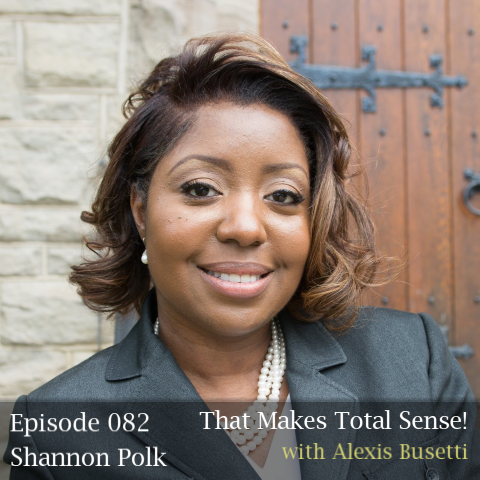
Speaker 0 00:00:00 Hey everybody. I am thrilled this morning actually, to be sitting across from Shannon Polk, who as of, I guess, close to the end of last year has become the executive director of the witness foundation, which I'm hoping she's going to share about because, um, those of you who listened to the show know that I have spoken with jemartisby a couple of times who was, uh, the founder of the witness. And so now they were kind of, um, branching off and able to do some more things in ministry. And I'm so excited for Shannon to tell us more about that. Um, she is an attorney. She is an ordained pastor with the assemblies of God. So we kind of had a little connection there. That's where I met. My husband was at an assemblies of God campus ministry. And Shannon is, I'm going to say you're an expert in this area of philanthropy. Um, I think this is what we're going to talk about today is philanthropy and generous giving. Um, but I'm just so excited because we're going to take a little, a little turn and look at this from a slightly different angle than maybe some of us are used to. So Shannon fill in the blanks where I'm, where I missed it and, and correct me where I messed it up.
Speaker 1 00:01:17 Well, I'm going to start out by saying thank you for that very generous introduction. Um, I won't refer to myself as an expert. I'll just say that I have, I have what I like to feel are informed opinions about how we can get better. I like it. I like that. I'm still a student and still learning all the time. Um, but yes, I am the executive director of the witness foundation and, uh, I'm from Michigan. That's my home. That's where I'm based. And I spent, yeah, Flint, Michigan, you know, we had a little water situation.
Speaker 0 00:01:47 Yeah. A little water
Speaker 1 00:01:49 Situation there. Um, and so the Lancope is really big in my community. Right. Um, and so just understanding what philanthropy means in different contexts. Um, I'm right now, I'm the president of the junior league of Flint, right? So the way that different groups, cultural groups look at giving and how they approach that, you know, so that's very different than the approach say of my local congregation or the congregations where I grew up. Um, and just kind of understanding that framework of how people approach philanthropy, how do they approach giving and doing good, I think is really important, especially as Christians to really think about why are we doing this? Um, you know, it's really enough. My devotional this morning was around the widow's mite. Right? What does it mean to give what is true? What is true, getting really look like? And so I'm hoping that we'll have a chance to kind of talk about, um, institutional giving versus individual giving and how we correct some of the errors of institutional giving, because some of it's really good, but some of it not so much. And so hopefully we'll get into that. Um,
Speaker 0 00:03:02 So when you say institutional institutional giving and individual giving define those two categories for us, and we can kind of wrap our minds around what that looks like. Right.
Speaker 1 00:03:12 So when I think of individual giving, I'm talking about, you know, the group of friends that get together because someone just had a baby, right? So we're going to give, because maybe there's someone in our community that doesn't have enough. So we're going to do that baby shower for them, or we're going to provide this some things because maybe their husband is ill, right. And so we're going to rally around them. Um, that's that individual giving, you know, I, I care about foster kids. I'm going to give to that. Right? We know those, um, institutional giving is, you know, what we often refer to in the sector as big people have to be, right? So those are those big foundations that are giving out millions of dollars. Um, sometimes it's a local community foundation, but it's organized, it's more formal. And you know, they're giving out grants that people have applied for.
Speaker 1 00:04:00 They're giving out scholarships in someone's name, who left a very large inheritance. And so that's why I think when I think of institutional giving and that what's important to understand about this. And this is part of reason why the witness foundation was created is that institutional giving is no different is impacted by race. Just like everything else in this country. That's been racialized. It's really important to understand that the majority of those institutions are run by white people. Now that in of itself is not the negative. The issue becomes that there is a thing that I refer to and sociologists refer to as in group preference, right? And like people who look like me, listen to the music I listened to who enjoyed St kind of activities. That's my social group. So what happens is that when I begin to look to make donations in my community, I'm going to reach out to people in the community that are already a part of my social group, already a part of my network. And for a lot of white people, the stats are that anywhere between 70 to 90% of your network is white, which means that when
Speaker 0 00:05:08 I was just going to say it was shocking to me the first time I heard that statistic, I feel like I'm going to ask you to repeat it, because I think that, I think that I think that white people need to understand what a huge deal that even that is.
Speaker 1 00:05:28 Right. So, you know, if I'm living in, um, I'll use the seminary where, um, where I graduated from Springfield, Missouri is 90% white, which means, and there are lots of communities like that all across the us, right there, 90% white, the interaction that people in those towns may have with someone who's diverse is extremely limited, which means their network is overwhelmingly white. So if they are in some type of Christian ministry and a position becomes open and someone says, Hey, do you know someone I can recommend for that position, look through your networks and see their network is overwhelmingly white, and they're going to recommend somebody. They know that versus going to get the job. And then people look and go, how come we don't have any diversity within this institution? Well, it's where you're going to, if you're asking from within your network and your network is primarily white, then the results you're going to get are going to be primarily white.
Speaker 0 00:06:23 And the reason not to, I'm sorry, I'm sorry. I'm not going to stop questions for you at some point. I really, I say that, but I'm thinking because you mentioned Springfield, but I'm like, I live in Houston and I will say, I don't, I don't have the stats on this, but I would bet that because Houston is not 90% white Houston, isn't ordinarily racially and culturally diverse city. But I would say maybe white in the white community in general, but in the Christian White community, I would still say those stats stand that 70 to 90% of their community is white, even in a community that is not that, that white, like,
Speaker 1 00:07:09 Right. And that's because we live in segregated communities, right? So like for example, the school that my daughter to the last year had over 50 nationalities in it. Wow. The neighborhood I live in there might be three families of color. Right? Why? Because we live in segregated communities. We worship in segregated communities. So we're only bumping up against each other at the grocery store, at the pharmacy. We are not having genuine interactions across cultural lines. So even though we choose to live in places like Houston, like Chicago, I mean, Chicago is known for their neighborhoods, right? I have an aunt. She lives in Bronzeville. Why is it Bronzeville? Because it's a predominantly black area on the South side of Chicago. You're not seeing lots of other people from different ethnicities in those segregated enclaves. Now you, we we've, I'm sure you've had this conversation before about red lining.
Speaker 1 00:08:09 And that's why we have so segregated neighborhoods. The issue is that that same kind of redlining happens in philanthropy because if I'm running a foundation and I'm white, and I'm looking to my networks when I get ready to hire, and those people are from my networks and the majority of them are white. And when we get ready to do a community scan of where we're going to put money, you know, we're looking to the community leaders that are recommended us. Chances are those community leaders that are recommended to us to fund they're going to be white. So unintentionally you have a majority of those dollars going to white led organizations. That's huge. So where do you begin to see black leadership, leadership of color? Where do you begin to see those voices begin to raise up? You don't because they don't have the same investment.
Speaker 1 00:09:00 Now, this is really important because oftentimes you have white folks who are like, you know what? I have a vision, I have something I want to start. And so they start a nonprofit and they're able to do this because maybe, you know, great aunt Sally left you something in the inheritance, or maybe she really likes what you're doing, or uncle Bob likes what you're doing. So he writes you a check because he wants to invest in this nonprofit that you're going to create. Well, that's fine, but that's because they have the disposable income to do that. When you look at the wealth gap between white families and communities of color, you know, oftentimes, you know, should nays grandparents can't give her that because they didn't have that to go. Right? And so they're starting out at a disadvantage when it comes to wealth and being able to invest that money.
Speaker 1 00:09:48 And then that then goes into, who's going to donate right to my cause. If this is something that I've seen in, I'm gonna use the example of young life, right? Young life requires all of their workers to raise their own funds. Well, I had a friend who was working for young life, who told me, she said, when I look at my white counterparts in the suburbs, they can go, they can talk to their friends, their families, talk to their friends. They have one dinner every year annually that raises all of the capital that they need to support their missionary journey for that year. She said, I could have six of those dinners in a year and still only get to 50%, right. Because of the wealth disparity from my community as compared to theirs.
Speaker 0 00:10:30 Right. And I will say, I, I just read something. I think it was in the Washington post. Um, but even with, I think I just kind of want to point it out because I think that sometimes people look at numbers or they look at situations like that, and there might be something there that says white people. Are, they just give more, they're more generous possibly. I don't know if you've, if you've heard that, but, but I'm like, I'm looking at this. And I'm like seeing some of these stats that are saying, yeah, but as a ratio to income and as a ratio to wealth, black people give more of their money. Have you seen stats that are similar to that?
Speaker 1 00:11:17 I have. And that does not surprise me because as we start off talking, it's like the widow's mite. You know, you have people that may only be making $20,000 a year, but because they grew up in a Christian community that taught about tithing, they're giving that 10% directly to the church. And then they're giving above that because so-and-so graduated from college and graduate in college and they're going to leave it a little starting money. So-and-so just graduate from high school. And we know they were raised by a single parent home. So we got to help them pay for books. So-and-so their family got put out. So we're going to help them, you know, get back on their feet. So there is constant influx of giving by little granddads, little grand moms and aunts and uncles, the community, aunts and uncles that are like, Hey, I've got a little extra. But then that puts a greater burden on those African-American families that do have a little bit of wealth, because they may be some of the only ones that do. Right.
Speaker 0 00:12:10 Right. And they're, and they're wanting, they have a desire to give to all of the little things. Exactly. And all of the people, because they can.
Speaker 1 00:12:23 Right. And because it's not like there are a hundred people in the community go to, there may only be 10, right. That have enough wealth where it doesn't necessarily impact them in the same way that it does. Grandma, Jenny, who's giving out of her last, just like that little, like, you know what pastor said that we need to give to this charity, they're doing good work. They're helping kids learn how to read, you know what, instead of paying for this thing, I was going to buy over here. I'm going to give that most of the time in other communities, it's not the same sacrificial giving,
Speaker 0 00:12:58 Right? Yeah. Yeah. Because
Speaker 1 00:13:00 It is a sacrifice. And they're like, okay, instead of going out to eat, instead of doing this other thing, this is where I'm going to put my money towards this community investment because I know how important it is. And the other piece is because of that philanthropic redlining, I know no one else is going to give to it. If I don't do it. Cause it's not on anybody. Else's radar talk are not part of that community. Right. So when you think more, yeah. So when you think about philanthropic redlining, it's just like the housing term of redlining. Um, after the GIS came home and they were able to use the, um, their GI bill from world war II, they thought they were gonna be able to go and buy these homes. Right. They're so excited. You know, here they are, Patriots. They've come back. They fought on behalf of their country only to be told, Oh, I'm sorry.
Speaker 1 00:13:47 Cause there were three types of way that these were excluded, right? They were either excluded because of red lining. Meaning there had been a line drawn around communities saying, this is where the housing in this area, we are going to devalue that housing. We're not going to ensure it at the same rates. And we're only going to, we're going to encourage certain groups of people to live there. And the reason why it was Redmine was because they were high populations of communities of color. Right. So because it was black or we're going to red line, that the other thing was you couldn't move into other communities because of restrictive covenant. Right? The covenants actually said, we cannot sell this land and we can not sell this property to anyone who was not white. Right. So you got that going on. So when you put those kinds of things together, what happens is that the house that say my grandfather would have purchased is now worth less than the house that my white friends, grandparents purchased.
Speaker 1 00:14:42 Why is that a problem? Because in America, one of the greatest ways to increase wealth is through inheritance. So someone's able to pay for college education by taking out a loan, an equity loan based upon the value of their property. Well that your property is valued at three to five times, perhaps even 10 times the rate of what my property is valued. Then you're going to have other educational opportunities, other investment opportunities that I, as an African-American living in this community that has been economically devalued by law, that limits the amount of capital and wealth that I'm going to be able to have. Now you mentioned to me, you know, going to school in Oklahoma, one of the greatest examples of this is when you think about it is black wall street in Tulsa, right? Where you have a thriving black community, but then through no fault of their own, it is burned down in the riots, right. That you had white people coming into that community and setting it on fire. So what happens to the churches? What happens to the business in that community? So then people have to move away, right? Start up again, if they have capital to do that. Right. So what happens in a coup what happens to a group of people, right? When they have to start every generation rebuilding wealth from scratch. Right?
Speaker 0 00:16:01 And, and I I'm even going back, like my thought process went back a little bit further because my husband and I actually had the GI bill conversation the other day on, we have evening walks where we solve all of the world problems. You know, I don't know why there, we still have world problems cause we solve them every night. But, but my grandfather was a recipient of the, of the GI bill, um, when he came back from Korea and, and I was just kind of, and even in my own family comparing my white granddad, who was recipient of the GI bill to my Mexican American granddad who, um, had to drop out of elementary school when his mother died so that he could help the family economically. Right. And just these kinds of two things that even in my own family, you know, I could see, but, but one of the things I thought of was yes, inheritance, but I almost wanted to take it back a baby step in my mind to think that is, if these GIS coming back of color could even purchase a home. Like yes, if they purchased it, it would be worth less. But how many of them, and even now could not purchase a home, even, even in Oklahoma, like, like you mentioned, uh, when I was doing, uh, my master's, my advisor was talking about the first African-American professor at the university where I went, could not purchase a home close to the university
Speaker 1 00:17:26 Things.
Speaker 0 00:17:27 And this was not like, Oh, in the 18 hundreds. Right. Like talking about,
Speaker 1 00:17:32 You know, 1950s
Speaker 0 00:17:34 America. Right. And it's like, he's coming in as a professor. He legally can not purchase a home near the university.
Speaker 1 00:17:43 Right. And so the, and this is all across the country. In my context of Michigan, I know the woman who was the first black woman to buy a house near the university I graduated from in that area. She was a purse. And oftentimes what they had to do, if they had to go and have a white family, purchase it for them yes. And then transfer it to them because they could not get approved to do that in their own name. Right. And so you bring up the other piece, which is, okay, so the only way I can purchase a home is if I get the job well, who's hiring, you know, black GIS, who's hiring black female workers during that time, what industries are they relegated to or limited or have limited access to because all of that makes a difference in their earning potential.
Speaker 1 00:18:34 And so, for example, if you have, um, an African-American, um, man who says, look, I want to start this program for youth in my community. He is less likely to be funded than a white man. Who's also going to work with that same disadvantaged population of students. Why? Because that white man is connected to the networks of funding in a way that that black man is not. And so when we think about that philanthropic red lining, so then what happens is that you have non-profit organizations that have a wealth gap as well. So then the racial wealth gap is not just an individuals. Now it's an institutions, which is why, when that boys and girls club was led by the African-American executive director, all of a sudden donations dropped off. Why? Because when it was a white executive director, people are like, Oh, we're so excited about what so-and-so is doing, but I don't know about this other person's leadership. And a lot of this has to do with the fact that for most white Americans, they've never had to work under a leader of color, whether that is having a pastor who was a leader of color, having a teacher of color, having a, a boss or a supervisor of color. So there becomes some real questions because of the fact that they've not had to address that framework, which brings up some latent issues for them around whose leadership they are willing to submit to. And whose leadership are they willing to invest in.
Speaker 1 00:20:03 And that's part of the reason why it's so important. So the work of the witness foundation to say, look, we know that there are African-American Christians who are out there who have great ideas who want to advance the kingdom. And we want to invest in them because we recognize that a lot of mainstream philanthropy doesn't get that far. Not because they're being intentionally exclusive, but just because when institution, when racism institutionalized, that system perpetuates itself without any other intervening actions. And so then as a result, no one has to come along and say, we're just not investing in African-American leadership. There are so many other things that led up to that system being created, that it just perpetuates itself. And so we're saying we're going to be an intervening factor. We're going to identify those African-American leaders. We are going to train them. So they have that support. And then we're going to invest financially in that, because we know that they don't have access to the same capital as their white peers.
Speaker 0 00:21:02 So talk about that. What's, what's becoming more fascinating to me as we, as I continue to listen to you is, is what you talked about at the beginning. You said, I hope we can talk about the institutional side of it, right. Because, um, because I had been thinking mostly about individuals giving to organizations, which is, which is a legit thing, right? Like that that's a legit concern. And we, and we've talked about that. Some as I did a bit of reading, trying to prepare for our conversation, one of the things that struck me in your, in your, and you're getting to it now, and I'm hoping you'll talk about it, especially in the Christian space, is these institutions that you're talking about, th the ones who, who have the millions of dollars, right. To give grants and this, you know, this kind of stuff. And I was looking, I was trying to find it does now.
Speaker 0 00:21:54 And I think, I think I closed the tab, but, um, there were, there was an article I found, I don't even know, maybe from Nashville or something like that about, um, uh, well maybe there was one for a music program in Nashville. And then one just talking about, uh, black theater companies. Right. And saying like, uh, there was one stat that said something like, you know, of these white led theater companies, they, their average annual budget, I don't know, 30 million, $50 million or something like that. But like the largest black led theater company, the annual budget was something like $3.5 million or something, right. Like, like a 10th of what these other companies, these other theater companies are going for. And it's like, because there's, they're not getting the grants, this institutional side of it. Right. So like, can you help me process that and talk through that. And especially when it comes to the Christian spaces, what does that look like? Institutionally?
Speaker 1 00:22:48 So, so let's, so, you know, here's the thing, the us has been racialized, right? As most Western European nations that have a history of colonization have, right? So we're racialized nation. So race permeates, almost every decision that's being made, whether openly or subconsciously it's there. So we're gonna, so I'm gonna paint this fish for you. And so let's go from the individual to the institution, right. So we've talked about the person, um, I'll use myself as example, right? So I, my grandfather's grandmother was an enslaved woman in Mississippi. And so you can see generationally what the legacy and impact that slavery had economically within my family. Right? So you have to deal with the restrict of, you have to deal with the, um, Jim Crow laws. Who's able to vote, who is able to buy a property who is able to live here, right. To get all of that.
Speaker 1 00:23:41 You've got the restrictive covenants that you had to deal with. So do you get to live? So how much wealth then is able to pass from generation to generation? So the, so my, so there's a wealth gap between me and perhaps my white peer, who was able to inherit well from their grandparents and their parents. And that made a decision on where they were able to go to school and what was affordable, where they have access to. Right. Right. So now let's move from me as an individual to the institution because the institution also suffered because that institution had to buy property in an area. If they're gonna be connected to community where the property is worth less, they're going to have access to a much smaller network where there may not have the same access to funds. Okay. So when you're comparing that neighborhood theater group, that may be in an all black neighborhood as compared to the, um, city symphony, right?
Speaker 1 00:24:36 That city's institution of fine arts, that city's institution of Institute of music. They have access to million dollar funding because they are on the radar of those institutions that are getting millions of dollars, because they're at the same dinner party, they're at the same fundraisers as well, where they're sponsoring a table and supporting this. And they're connected with the same rotary groups in the same clubs, but that African-American nonprofit leader is not in those same networks. So they don't have the opportunity to sit across the table and say, so, Joe, let me tell you about this new program. We're getting ready to get started, right? Because those conversations happen over lunch. Those conversations happen at dinner parties. And what you have is you have an entire group of people that are not in the room where it happens, right. If we can quote Hamilton, right?
Speaker 1 00:25:24 They're not part of that conversation. They're not part of that network. So you have entire institutions that don't even that aren't even aware because they don't have the grassroots connection to know who's effective in this community. Who's doing this work. Now, this is really important because of the Christian model of missionary giving. Right. And how we go into communities because that Christian model was we're going in and we are going to, we are going to civilize this group, right. We're going to bring the gospel and we're going to civilize them if I can just be so transparent, do it. Yeah. And so what happens is that they, that same approach is the approach that's taken in going into communities of color. We're coming in to help those little people over there that are so less fortunate that need us. It is not an asset based philosophy.
Speaker 1 00:26:15 So we're already bringing in the institutional mindset of inferiority when working with their needs. So you've got this power imbalance already, right? And so then as a result, how are you then going to look at that leadership? Are you looking at those leaders, indigenous leaders, as people that understand their community, have voice and should be trusted? Are you looking at them as well? Let's only give them a little bit of money. Let's give them a fraction of money. We would give to these other people, because we're not sure if they have the competency to really manage this effectively. And so that's what happens in Christian institutions, because I heard, um, a couple of different Christian, nonprofit leaders talk about the fact that, you know, when they compare themselves to their white counterparts, whether it's something like, um, you know, teen ministries or even things like, um, let's, and this was one that's very close to my heart because I'm from Flint, right?
Speaker 1 00:27:09 I saw millions of dollars going overseas to build Wells. And we could not get money in a low income African-American community that was also suffering with dirty water and could not get clean water. Right. Why was it so much easier to donate money to these other places? Because the leaders, I really do believe it's because those leaders look like the people that were making the investment. And so there was a sense of trust. That sense of in-group preference. I know you, you share my values. I can give to you, but these other people who are different from me, I don't know them as well. Can they really be trusted with that investment? And as Christians, we are supposed to see the Imago DEI in all the people that God has created. Right? I need to be able to look at you, even if you have a different skin color and see that God made you, God gave you voice. God gave you presence. And if you're important to God, you need to be important to me.
Speaker 1 00:28:08 And so when I think about what white people can do to address this disparity, it's like trust black boats, trust black folks enough to make a financial investment. That's how you're demonstrating that with your dollars. That you're like, you know what? I trust that leader because that's what we do when we give to all the other major charities. We're saying we trust that leadership even sometimes when they're fledgling organization, because they all grew from somewhere, they all had to start somewhere. Are you willing to make that investment in that small non-profit in your community? That's doing good work, but doesn't necessarily have all the bells and whistles because no one's ever made that investment yet to give that to that, knowing that their community may not be able to support that because they're already working in a community that is economically disadvantaged
Speaker 0 00:29:01 And it's a cycle, it just perpetuates itself. So let's go back to the water for a sec, because I am wondering, and I feel like I've, I've heard you allude to this in different conversations, but, um, or, um, so the, the Wells that are being done overseas, many of them are being dug in Africa. And so you have black people in need of water, clean water on a different continent. I'll be at black people in need of clean water, but white people are funneling the money to get the Wells dug to get there. So white people kind of on this, this leadership level are providing the water for black people who need it, um, in Africa. And then, and then you have your situation in Flint that you just talked about. I'm wondering as you see organizations, and this is what I think you talked about with Tyler organizations that the, the recipients or the people being ministered to, I guess kind of for, for, uh, context or lack of a better kind of understanding of that are maybe in a multicultural, uh, population or maybe minority population, but the heads of this leadership. So let's say let's pretend for a second. We have two communities that the populations look very similar, right? And one of the ministries has a leadership that is white. And one of these ministries has a leadership that is, uh, made up of minority people, people from minority groups, um, does this exist? W w do you see the difference because of the heads of these organizations, right? That's kind of what I'm getting at. Can you make sense of what I said and then tell the through in a way that makes sense,
Speaker 1 00:31:10 Right? It's just like, when, if you see this sometimes happen in, when there's a change of leadership in a church where the previous pastor was white and everyone's like, Oh, this is great. We're gonna enjoy that leadership. And then the church staff, for whatever reason may say, you know what, we want to hire this black, person's going to go in because we want a more diverse community, but then people begin to go, you know, and they begin to do some, some more serious questioning of that person's leadership ability, right? Like, well, you know, it's, there's let me back up and say it this way. There's this concern that there is a higher level of questioning that there's more reservations when you have a person of color in leadership and they don't necessarily have as long of an opportunity to as much of an opportunity. And as long as a period of time to really win people over,
Speaker 0 00:32:01 Because do you think that, do you think that they like leaders of color in that, in those circumstances, don't get the benefit of the doubt. Yes. You know what I'm saying? So like, let's say, let's say you got white pastor and you got a black pastor, and they're, they're kind of in the situation that you're saying in a month in each of them makes a budget mistake, right? Like each of them makes it a funding mistake or a budget mistake or something I'm not talking about with people. Right. I'm just saying ministrative level a thing. And then somebody says, Oh, gee whiz, he's new. You know, why don't you give him the benefit that let, let's just keep going. And then, and then all of a sudden on this side, maybe they say, Ooh, yeah, I guess he really couldn't what we thought he could, or, you know, he doesn't have a finance degree maybe, or a business degree. Maybe that's the problem here. Maybe we should readjust what we're doing. Do you, I mean, do you see that? And so,
Speaker 1 00:32:49 Right. And so it lets us think about it this way. It's just like when all the studies have been done that shows that when a person has a more African American sounding stereo, well, you're an African-American sounding neighbors and they identifies as African-American on a resume, they are less likely to get called in for an interview. Even when they have the same credentials as the person with a name that sounds more white. Right? So if your name is, you know, Trayvon, you are less likely to get called for an interview than if your name is William, right. Even if you both have Ivy league degrees, even if you both have the same internships, because we live in a racialized society, right? So there's this bias that the closer to whiteness you get, the better it is. And the further from whiteness you go, the less competent is the less safe it is, the less that we embrace it.
Speaker 1 00:33:43 And that is problematic. And so when you see that, then hitting the institutions of the church, right? When you see that happening, that's when you get into the fact that you have organizations that are not being funded at the same rate, in the same pace, even though they're doing the same work, simply because the leader of that organization is not light. Now, are there some exceptions rules? Sure. There are some exceptions to the rule, but they are very limited. And when we think about the fact that you've got communities of color in particularly African-American communities where you're not developing indigenous leaders, and you're not making that investment in the church, I think the church is missing an opportunity. Yes. And when we think about, okay, equity in our giving, what does that look like? You know, to me, that's just saying that, you know, we want to make sure that as we're getting that we're getting to those that are in need, and we know that we have communities that are in need, then why would we give to those leaders, why are we reserving and saying, well, I don't know them as well.
Speaker 1 00:34:53 I don't understand. You wouldn't necessarily have those same reservations if it would, if the leader was white. So why are you having those reservations? Because the leader is not like, make the investment, see this person. And part of it is, if you don't see the person as a peer, then it's can be very difficult for you to see them as a leader. And that goes into what I mentioned earlier about, you know, going into the community with the missionary mentality, inferior superior. Right? Um, that's one of the reasons why I think it's really important that the white evangelical church really begins to listen to communities of color and to Christians of color, because we have a lot to say that is really helpful to the church writ large. But if you've only seen us as that are in need and you're operating from the noblesse oblige principle of, because I had been given all of these things, I ha I must give to these poor little people down here, it's going to be hard for you to receive our wisdom. And it's going to be difficult for you to receive our leadership.
Speaker 0 00:35:53 Right. It's
Speaker 1 00:35:56 And you're only going to invest with strings
Speaker 0 00:36:00 Cause you're right. It's, it's, it's that, it's that pure relationship hasn't existed. It's the, it's the kind of the language of, it's my job to minister to this community and not it's my job to minister with this community. Right? Like we're, we're, we're not partners in this, um, necessarily, right. It's exactly, as you say, it's this hierarchical, um, not a peer based, um, relationship, but I just keep thinking about how the cycle, this, this, like racialized cycle just keeps continuing because it's like, well, it's this way in part, as you mentioned, because I've, you know, never, what if I've never had a leader who looks like this leader? Well, then you're not have confidence in that leader, so you're not going to support that leader. So then you never will, you never will have a leader who looks like that leader. Right? You never will have a boss who looks like that boss, because you're not willing to, you know, no one's willing to do that. And then it just, it just keeps perpetuate.
Speaker 1 00:37:03 And I think one of the other pieces of that too, it's, you know, is being able to deal with the discomfort and the cognitive dissonance that people have in seeing leaders of color in positions. They did not expect them to be right. Because you see the same cognitive dissonance when people see women in positions of leadership that they did not expect them to see. Right. They're going into, they're going into the room and they're like, wait, so you're the CEO. Yes. I'm the CEO. Oh, I was expecting a guy. That's all, you know, you know, I'm totally comfortable with your leadership really what's happening is there's a discomfort in them because they just made an assumption that the CEO of that company would be a man. Oh, the same thing happens is that same cognitive dissonance when they're like, Oh wait, so this is being led by a person of color. I mean, that's good, but I just didn't express it. And sometimes it can take some time to deal with that cognitive dissonance and get comfortable with the fact that, you know, what that's unusual to you. So now you've got to get used to a new norm. Yeah.
Speaker 0 00:38:03 Well, and I think too, it is going to be reliant upon people inside the majority community to a recognize that that's what they're feeling. Right. Recognize that this is a cognitive dissonance and asking why, why does this exist? Why was I expecting a white man to walk in when a black woman walked in, you know, and, and being willing to do the work internally of dealing with that cognitive dissonance. Um, and, and I'm not saying that it's only on an individual level, but it is also on an individual level, I think, where that needs to happen, because I think the person needs to be able to ask him or herself. What is that I'm feeling? If it's discomfort, I can name that. Why am I feeling uncomfortable? Oh, because I expected, you know, I liked to Austin chaining Brown's book. Right. Because she talks about this a lot because of her name. Right. She's like, I even sent you a picture and you still expected a white man. Right.
Speaker 1 00:39:09 I love, I love that about her. I love that about her book, because that had been my experience so often where I would go into a situation like, okay, we're waiting for the person from the foundation. And I'm like, I am the person. Well, it's someone else coming with, you know, well, who makes the decision about this grant? Actually I do. Right. And we're off to a really Rocky start now. Right, right. Yeah. Yeah. Because they just didn't expect someone who looked like me to come in. You know, my name is Shannon. So there were, you know, I assuming they were starting some red headed Irish women, I don't know. I that's not who I am. Um, and so they were experiencing that same cognitive dissonance around like, Oh my gosh, well, what do I do now? Right. Because I may need to adjust the conversation.
Speaker 1 00:39:53 Um, and there's nothing wrong with recognizing you need to adjust your expectations. I just need you to do it. Right, right. That non-profit leader in your community needs you to make that adjustment. They need to do that. I think what's really critical is that also people begin to take a look at their networks, take a look at where you're giving and then begin to diversify that the same way we've encouraged people, diversify your bookshelves, diversify, who you're listening to. Right. Diversify who you're learning from. You need to diversify your giving, take a look at where you're giving, where your dollars are going and are they all going only to white led organizations, right. Then you'd need to examine that because why is that the case?
Speaker 0 00:40:33 Right. I mean, I'm going to say my husband and I did that. We did that. Um, at the beginning of the year, we're kind of re resetting some budget things. And, um, I had read Jamar's, uh, newest book. And, um, and so I got to have a, I got to have a little peak of that before, um, before it was released. So it was the timeframe is what I'm saying, like the timeframe of that. And so, um, and we went through and we looked and we were like, dang it. You know, like we did have some diversity in there. I'm not gonna, I'm not gonna say we didn't have any, we, we for sure did. But when I would say what, what it was for us, and I'm just, I'm just going to throw it out there because I want to be, you know, semi vulnerable in this space. What I would say is what we noticed about ours was that our international giving was diverse. But our typically our domestic giving wasn't
Speaker 1 00:41:27 Now I, now I have some thoughts about that. Not, not you personally, but, so I was having a conversation one day with a woman who was braiding my hair. She was from Cameroon and she was the moaning. The fact that she felt that African-Americans in this country, weren't really taking advantage of all that it was there to be American and that sort of thing. And I stopped her in until little conversation. I said, so can you tell me why you came to the United States as opposed to going to France when you decided to leave Cameroon, because that is the country that colonize you, you already speak French. Why wouldn't you go to France? And she had this look on her face. I said the same reason why African-Americans have such a hard time in the U S because this is the country that colonized us. I said, so it becomes, so there is this, there is this issue, and there is this tension, right? That happens. So as a result, people are much more willing to give in diverse ways internationally than they are domestically.
Speaker 1 00:42:25 Wow. And so we have to begin to understand how we view the folks that are from this soil, right? And how do we do that in a way? And historically, we have to understand that that's something that started in the founding of the country. I mean, native Americans were not identified in our constitution. Blackbird black folks were identified as three-fifths of a person. You know, at the same time, if you go little bit further, and same time you had Jim Crow laws, you had one pro lots and Texas. I mean, historically we, as the United States, just have a real hard time dealing with race and dealing with people that are non-white legally, right? Institutionally that's has been the case, whether you're talking about the Chinese exclusion act. I mean, these are things that have created a bias in the minds of Americans that says, boy, if I'm getting this, the close to the proximity to whiteness, the better that this item is, this person is, this institution is right. That's when, when you talk to people about, Hey, what about moving into this neighborhood? And some of your kids at the school, they're like, Oh no, I would never send my kid to a school that was predominantly nonwhite.
Speaker 1 00:43:37 I'm not going to go to a church. That's predominantly nonwhite. I feel too uncomfortable. Well, why would you feel so uncomfortable? Why is that so difficult? What does that storing up in you that makes you feel like that's not that it's not going to be good, that the quality is going to be less, right. You know, that's that whole white flight. Oh, we got to leave. Why? Because the neighborhood is getting darker because inherently in the mind of those individuals are like, our property values are gonna go down. That's the institutionalized part. That's the part that people are buying into subconsciously and they're not even aware of it, right?
Speaker 0 00:44:15 No, you're right. You're right. And, and, and I think that that's, we have to take the steps every, whenever we recognize that we have to take this step, or if we, even, if it's not a feeling of discomfort, when we were just looking at the budget, it was like, what is it about that? Right. It wasn't that my husband and I intentionally sought out major organizations that were led by white people. It was exactly how you kind of referred to, but it was kind of, Oh, well, this is what comes on the radio, or this is what's here or this it's just, it's just what is, and because of the system that you've, that you have described, it is more difficult. We have to be intentional about seeking out organizations that don't necessarily fit that profile. And so, you know, I'm just going to be honest about, you know, some of the stuff that we did inside of our budget was, was we were not necessarily looking to take anyone off the list, but we did.
Speaker 0 00:45:12 We ended up doing it because honestly in 2020 we saw some organizations that happen to be Christian and white run show some of their true colors when it came to, uh, what we experienced in 2020 with the racial reckoning, um, in America and in the church. And I'm just going to say it. And so, you know, there was one organization that we had been giving to monthly. I don't even know how long it was. And I wrote an email and it broke my heart, you know, um, to, to kind of, you know, our monthly contribution is going to have no impact on their, on their budget. Okay. They're not good. They're not crying. They didn't come in and say, you know, beg us to come back or anything like that. But, but for us, it was this moment of putting our money where our mouth is, right.
Speaker 0 00:46:02 We putting, you know, putting our, putting our treasure where our heart is lining that up. Um, for us, it was a reckoning. We had to realize, what, what is it about this now? You know, we need to make some adjustments. We have to ask ourselves those hard questions. And so we, we weren't necessarily looking to take anybody off the list, but we did, um, take some off. And we intentionally, we had been listening to voices in this space specifically, we've been listening to black voices in this space. We've been listening to these multicultural, um, voices in some of these spaces with these organizations. And it was like, okay, again, now it's time to put our money where our mouth is. We have been benefiting from the education that these organizations, these individuals have been providing for us. Now we need to contribute to what they're doing so they can further what they're doing.
Speaker 0 00:47:00 Um, but these are places that you wouldn't necessarily just hear on Christian radio, or when you open up a magazine or whatever it is, you know, these aren't the people who are, uh, sending out flyers every holiday or something like that. Right. So we have to intentionally look for those spaces to invest in. Um, and, and that is something that we, that we wanted to do. And so we started doing, but it really not just in that those little budget lines, but it is really shaping how we look at our, our giving. It's shaping how we look at our investment when it comes to ministry. Um, and so I'm really thankful for that part. I'll honestly, a lot of that came from Jamar's book. He talks a lot about that and how to fight racism. Um, you know, what you can do with your money. Um, right.
Speaker 1 00:47:58 And it's, so it requires intentionality, right? When I was a child, my father took me every Saturday to a Spanish language school that was in our town so that I could hear all of that. It was a storybook time and every story was read in Spanish. Right. There's an intention now that that has to be done. If you're going to be inclusive, if you, if, if you're going to be justice minded, if that's a value, it doesn't just happen by chance. Right? So it's the deliberate evaluation of your budget, you and your husband sitting down and going, okay, let's take a critical look at this, right. That to me is part of, you know, Jomar talked about in the first book, color compromises idea of the arc, and then goes into a deeper dive in how to fight racism, but, you know, okay. So you're aware, right?
Speaker 1 00:48:42 You're aware that there's this philanthropic red lining and you're one of those people is like, look, I just don't want to do, I don't want to just look good. I want to do good. I don't want to just be seen posing with a donation. And I don't just want the little sticker on my fridge of that. Oh, I gave to this, you know, poor child in a different country. I want to actually make sure I'm doing good. Not just internationally, but also domestically around the corner, perhaps from where I live and where I work and where I worship. Okay, great. So now you're building some relationships. You're learning. You're got that, but now it's time for a commitment, right? It's where do you begin to really decide, okay, this is where the rubber meets the road. This is how I can actually apply what I've learned.
Speaker 1 00:49:22 And either through the books or through listening to the lived experience of other people who are sharing with me, this is my truth. And so then this requires you then to begin to be like the good Samaritan, right? I preached on this a couple of Sundays ago, right? This idea of your time, your talent and your treasure, what are you doing with that? You know, because to see somebody hurting that requires your time. If you're going to change how you're doing your philanthropic giving, it's going to take some time for you to then look and say, okay, so where do I give? It's going to take some time for you to investigate who are the organizations that are representing communities of color that share my Christian values. I can make that investment in. And then, you know, it's your talent. You know, one of the things, when you look at that parable of the good Samaritan, it wasn't just that he stopped, but obviously this person had some kind of medical training, because then he began to apply ointment.
Speaker 1 00:50:10 He anointed and he applied vantages. Right? So what is it that you're telling me? Because in addition to giving the money, maybe you have a skillset to then donate that you can support these organizations. Maybe you're an accountant, maybe you're professional fundraiser, maybe you're in marketing. Can you give of your talent to that organization as well? Are there some ways that you can be supportive that way and then finally yes. With your treasure, because money answers all things. So, you know, at one point, are you willing to say, you know what, I'm willing to make that monthly commitment, the same way I have to every other Christian organization I'm willing to be that monthly supporter, or I'm willing to make that major investment that I know that this organization needs. Yeah. The, I mean, it's, to me, it's basic Bible. Yeah, absolutely. It's it's basic Bible.
Speaker 1 00:51:03 We know in scripture that God has no respecter of persons. We know that according to scripture, when we look in acts and we look at the dream that Peter had, you know, this idea of like, look, I don't want to see more division in my church along ethnic and racial lines. I'm telling you, these people are clean. They are Holy because I've made them Holy. We look at the revelations church, right? We look at revelation seven and we see that church of all nations, all tribes all times, right? We know this is God's heart. So when we do, we change our getting focused and we make sure that we're including organizations that are led by people of color we're really doing is aligning our heart with God's heart. Yes. And I always tell people all the time about this. I'm like, we're not doing this because it's trendy. We're doing this because God cares. Yes. And I want to care about the things that God cares about.
Speaker 1 00:51:55 And you know, we're supposed to give honor to those parts have not received honor in the body. And we think about communities of color. When we think about leaders, I mean, when you think about your leadership library, most of those voices in the Christian space are white men. You barely see women at all, let alone men of color and people of color. And so just like our reading libraries are not diverse. The way the leadership across the board is not diverse. So how are we going to raise those leaders up? How do we get to make those investments? Because we've always believed in indigenous leadership and supported that. We know that if you're from that community, you know, that community you're invested in a community. So why would we invest in Christian leaders that are indigenous leaders to those populations? That's just logical. Yeah.
Speaker 0 00:52:45 In the time that we have left, can you talk to us about the witness and tell us what, what you guys are doing with the foundation and how are you putting these things that we've talked about in this conversation? Um, you know, how are you, how are you guys addressing that at the witness?
Speaker 1 00:53:04 Yeah. So what we're doing is we are, um, we just started evaluating interviewing folks who are part of our, who have applied to be part of our first cohort of fellows when we looked at the issue. And we said, okay, so what is it that we can do? We know we want to identify leaders. We want to train them. We want to fund them. But what does that look like? Practically, we designed a program. It's the witness fellowship program. And what we are doing is for our first cohort, we were identifying five African-American Christian leaders that were going to make an investment over the course of two years. And we are going to support them. Number one, with funding, we're going to give them each of these leaders is going to receive $50,000 each year for that two year period. So over the course of time, they'll get a hundred thousand dollars in unrestricted capital because we don't want to hamstring them.
Speaker 1 00:53:53 We are saying to them, we know that, you know, best how to use those dollars. So we're going to make that investment in you. We trust you, we see God in you, and we're not going to, um, restrict you in that way. Secondly, we're going to provide training, very intense leadership training around things like spiritual formation, which we know is so critical in leadership, around, um, management, organizational management and organizational development that we know it's critical to make sure they receive the support that they need. Um, as they are growing and developing as leaders in that space, they're also going to receive, um, executive coaching session as well as a mentor, help walk them through this process. And all of their work will, um, culminate with a capstone project that they will design and then present because we want them to be able to contribute back to the sector in multiple ways.
Speaker 1 00:54:47 So that's one of the things we're doing when the other things that we're doing is we are providing training and support for people that are donating to us because we understand, and we want to build relationships with individuals. We don't want, we, although we appreciate the giving. We want, we don't want to just be transactional. We want it to be based on relationship. One of the other things that we've done is we are looking at folks that want to create, um, regional fellowships, because they're like, look, we're from this community. We know we have an African-American population that needs our support. And so we want to invest in a leader. So we have communities that have decided we want to raise and develop the money for, to have a fellow from our area. And so we see some of that happening as well. And so we're supporting them.
Speaker 1 00:55:30 But in addition, doing that, we're partnering with those groups on the ground saying, okay, so how do we support you as you're doing this justice work? What are other ways we can come alongside of you and help your local community, as you begin to think about what are the best ways that we can begin to repair, right. And have true godly reconciliation in our local community. So those are just a couple of things that we're doing at the foundation to really support this work. We look at the work that the witness of black Christian collective is doing as they are providing that education. So they are the words. And then we look at ourselves on the foundation side as the deeds. Okay.
Speaker 0 00:56:05 That's good. That's really good. Um, and so if I, I'm going to put links to these, uh, to the foundation and to the BCC in the, um, in the notes for this, but, um, can you, can you talk a little just like, because it used to be just the witness BCC and now the foundation has been added. So can you talk maybe just like a little bit about that transition and kind of what prompted that?
Speaker 1 00:56:31 Oh yeah. So the origin story, you know, I'm a Marvel superhero fan, so I love a good origin story.
Speaker 0 00:56:37 It just started one division while I was at class the other night. And he was like, yeah, you wouldn't like it. It's not, it's, it's Marvel. It's whatever he was. But he said, you would love this story is what he said, you would love this story, but I don't know about the Marvel bar, but yeah,
Speaker 1 00:56:50 This, the story is amazing. I finished it. Um, and I loved it. Um, but what I will say is, so for our origin story, you know, you had Jamar and Tyler, they were working initially with the reformed African-American network and then realizing that they wanted to build a wider tent and then making them the witness of black Christian collective, a place to, you know, for black folks that were coming out of predominantly white spaces, a place to kind of sit with some of the tension of what does it mean to be a black Christian in America? What does it mean to be a black Christian that's in white evangelical spaces? What does it mean to be a black Christian who is trying to navigate the truth of the gospel, but understanding that you're understanding the role that your culture plays when you approach the text.
Speaker 1 00:57:33 Right. And so out of the witness VCC came this amazing platform where there were articles being written on issues that were very critical to black Christian development and black Christian thought, as well as a series of podcasts that were there to kind of, you know, for folks all across the U S to be able to say, Oh my goodness, somebody gets that they get this thing. I'm feeling of being a black Christian in predominantly white spaces. And so out of that, there became the joy and justice conference and they said, Hey, how can we gather folks together? We want to honor 400 years since the rubber, since reformation, but we also want to honor the 400 years since slavery came to these shores and do that by, you know, lifting up some really amazing places who can speak to the black Christian experience in the U S context.
Speaker 1 00:58:21 And so in part of, in doing that, what they came to understand was just the difficulty in fundraising. So here they are with national platforms, books that have already been published, people that have called upon them and said, Hey, can you come and speak to us? Can you come and educate us? We want to glean from you. We want to learn from you only then to find out that the same doors weren't necessarily open when it came to funding, when it came to investing in the conference. And so it was at that point that, you know, there's some conversations, Jamar said, we need funding. We need to create a space where black Christians can get funded without this, this sense of dread of, Oh my goodness, we have work. We want to do, but are we ever going to get the funding to do this? Were there are things that we can make happen, but even if you have a large enough profile, are people still going to be willing to give, because they aren't used to getting to black led non-profit Christian organizations. And so it was out of the frustration and what experienced in developing the joint justice conference. They said, you know, we need to do this. And so after a series of conversations, I was brought on board and that's where we are with the witness, found the witness foundation today.
Speaker 0 00:59:32 Oh, thank you for sharing that. That's just like it just shed so much more light, um, and, and kind of puts a, it's a real, tangible, uh, lens on just the very things that, um, that we've been talking about. So I appreciate you, um, I appreciate you doing that and, and I'll put the link to how people can fund, how people can fund the foundation. Um, and so just, just to throw it out there, I mean, I'm, I don't normally share all my, you know, budget, everything with everybody, but I mean, my husband and I do give monthly to, uh, to the witness foundation. This is a place where we feel like, yes, we are, we are learning. We are, we are benefiting from the work that you guys are doing. And, um, you know, understanding that we want to, um, I said this, I had a conversation with, um, 80 Thomas and he wrote a book called permission to be black.
Speaker 0 01:00:25 And, and it was, and, and, and what I, what I said to him, I think kind of applies here as well, but recognizing that we want for that space to be held that black Christian collective, we want that space to be held, but also recognizing at the same time that we are gleaning from what you guys are producing. Um, and so we want, like, we want to say, thank you, thank you for letting us come around the edges. Right. Thank you for leaving some for us, because even though, um, we definitely want, want to affirm the space that you're creating. Um, I can't let it slip by and say that it's, that it's only a space that's benefiting the black Christian collective. This has benefiting the kingdom at large. This has benefiting the church at large. This has benefiting the white American Christian, you know, community.
Speaker 0 01:01:17 And, um, and we want to, you know, in a small way that we can invest in that work so that you guys can keep planting and keep harvesting, um, because it's because it's beneficial for, um, for the kingdom. So, um, so anyways, so this, this is a place, if you, if, if, if you've heard this and you think I want to be intentional, I want to find a place that I can give. That's not currently on my list. I mean, I'm just going to personally put that link out there and personally recommend that you take a look at the witness foundation because you guys are doing good work Shannon, and I appreciate it.
Speaker 1 01:01:56 Thank you. We're currently in the middle of a peer-to-peer campaign. So please include some of your friends and family. You can go to our page on, give butter as well, to learn more about that. Find out about that on our Instagram page and our Facebook page. Awesome. Yes. Well, thank you, Alexis for, um, allowing me to have this, um, this isn't something that's talked about widely in the church about how we diversify our giving to make it inclusive of the entire body of Christ. Yeah. I think that's really important
Speaker 0 01:02:31 Is super important conversation. Yeah. I mean, I'm, I'm, I'm really thankful to be able to even just have my, to have my eyes open to, to what's to what's happening. So anyway, I appreciate it. Shannon. I'm just, I'm just so incredibly thankful.
Speaker 1 01:02:45 Cool. Thank you again, the links for all the reasons.