Episode Transcript
Speaker 2 00:00:07 Welcome to that. Makes total sense. A podcast dedicated to exploring God's generosity and justice. I'm Alexis. We setting the Christian aiming to ask good questions and encouraging you to do the same. Every one of us is wired by God to live out generosity and justice, but the house sometimes alludes us. That makes total sense is a way for us to get together, posture ourselves as learners and challenge one another to practice generosity and justice in a tangible way every day. All right. So I'm going to say, Dante, you gotta help me out. I feel like this interview. I mean, no pressure for either one of us. It's like over a year in the making, right? Yeah.
Speaker 0 00:00:49 Yeah. When did we get connected? When
Speaker 2 00:00:50 Did we have this? Trying to think
Speaker 0 00:00:52 Of it was, but it was
Speaker 2 00:00:56 Like summer of last year. Maybe my B it might've even been, this is crazy, but I will tell you this book that you are about to drop, was it worth the wait, my friend.
Speaker 0 00:01:12 Well, thank you. I'm excited about it. I'm very excited about that.
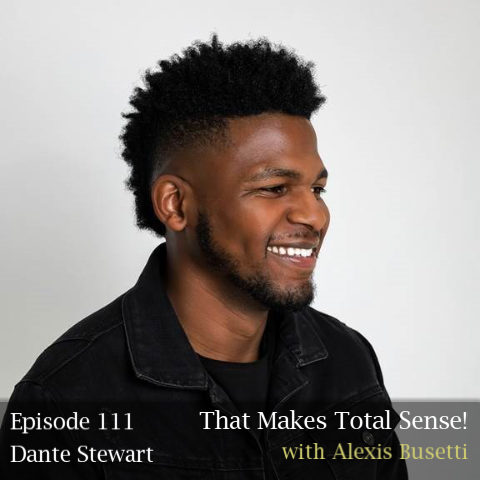
Speaker 2 00:01:16 It's ridiculous. So if you haven't figured it out by now, my guest today is Dante Stewart. He is getting ready to release shouting in the fire and American epistle. And I, I have notes, but really I just have, I have feelings. Like I just don't have a lot of, a lot of words to put to what I experienced when I was reading this book. So I'm just going to start by saying people who listen to the podcast regularly. Know I read every book. I think, I think I was telling Dante, I think that maybe there was like three books that I haven't read. Um, when I speak with authors and guests for the podcast, I read a lot for school. I read a lot just because I'm, I just think it's fun and I love memoirs. Like they are my jam, this memoir Dante it's like in my top three that I, I mean, it's, it's phenomenally well-written but your story it, no. Yeah, it's ridiculous.
Speaker 0 00:02:27 Thank you. Well, I'm excited. I am very excited, um, to join you, um, I'm very excited and honored, you know, that you have such one for words about my book and about my work and, and things like that. So that's, that's very, very, very, very encouraging. And, you know, I think, I think, you know, we can never kind of diminish, um, just, just simple words of encouragement, especially in many of the seasons that so many of us are having, um, and continue to have. So, yeah. Thank you. Thank you.
Speaker 2 00:03:05 So before we get started, um, gosh man, there's so many places that we can go, where do we, I mean, this is, what's
Speaker 0 00:03:15 The answer point,
Speaker 2 00:03:16 But that's, that's a good question. That's a good question. So I received this book from your team and I read the intro really quickly. Like I had a little break, I read the intro and I thought, I can't, I'm going to have to sit down with this one. Like when it happens, I'm going to have to really sit down with it. So, um, in the intro you taught me, that's a good place to start in the intro. You talk about being black, being American and being Christian all at the same time. Right. Because, and this is, um, and I will say you've been black and American and Christian, like your whole life practically, but the, but the book tells your journey of how that has looked differently in different parts and points of your life. Um, different, your upbringing look different than your younger adulthood just looks different than now. Right. Um, but I feel like this book really highlights what it looks like for you now to be black and American and Christian. So can you break that down?
Speaker 0 00:04:41 Yeah, yeah, yeah. For sure. For sure. For sure. Yeah. I think, I think I, I felt like, you know, for me, those three identities, um, you know, in the ways in which they intersect and interlock, uh, and some of the most beautiful and terrible waste possible were just those three identities represented the crux of so many of my questions. Um, they represented the heart of so much of the terrible person I became, even though those, those identities represented memories from me, you know, and as people read the book, they will, they, they will, you know, they, they will see those memories. They will go back, they will be invited and immersed, um, in, in the ways in which like those identities took place, uh, and were performed, um, in my life. And for me, I just felt like that, that, that, that was what I was wondering, like how, how in the world do I be black and Christian and American, like, how do I wrestle with, you know, what it means to be black?
Speaker 0 00:05:59 Like, how does, how do I wrestle with, you know, what does it mean to be Christian and the ways in which like there's continuity and discontinuity between the Christianity of back home. And when I go to Clemson, you know, and then how also do I learn how to be American in, in, in a country, you know, that, that produces people who often times just love to see our bodies in performance or in pain rather than actually embracing us in our future black self and humanity, but also the larger black worlds, uh, that we, that we come from. And so for me as a writer, I felt like wrestling with those three identities was the type of writing I needed to do. If I wanted to write the book that I wanted to write, you know, and Toni Morrison, she has the famous quote that everybody called all the time.
Speaker 0 00:06:54 Uh, and for good reason, you know, if there's a book, you know, that, that you want to read, it has not been written yet. And then write it, you know? And so for me, I felt like, like, I'm not like, like as a writer, I'm not like, oh man, it's like this new dude on the scene, like, he's doing something crazy. Like as far as like, you know, this dude is like, you know, like phenomenal in a new way that we've never seen. Nah, I'm good at what I do, but I ain't like, I ain't like this new phenol, you know, like, like this new light. Like I ain't never seen this before. Like, you know, I want people to know that, okay, this has been done before. Um, uh, or what not. I want people to know, you know, like this has been done before, but like, I haven't seen, if I'm being honest, I have, I haven't seen like books that try to courageously wrestle with that question in a way that the person who's writing is not the hero of the story. And so like for me, I didn't want to write in a way where I was the hero. I just wanted to write an honest book I bought was, I want to be honest, man, and a good writer, you know? And so that's what that's kinda what I wanted to do. And that's why, and I felt like those three identities were important and necessary and critical to the type of book I wanted to produce in a world.
Speaker 2 00:08:20 So can I tell the listeners, can I say out loud what I said to you about how I felt about receiving this book?
Speaker 0 00:08:29 Yeah. I wanna honor good school.
Speaker 2 00:08:31 It was too expensive. It was, it was too expensive for me to get, I opened it in the intro. I felt that in the intro, I thought, no, this was your word was costly. That's a better word. This is what you, um, the way you express, how do I say this? The way that you express your embodied experience was too it's it's I feel unworthy to receive these words and in a lot of ways and a lot of chapters and a lot of points in different chapters, I feel like, no, this is, this is too expensive. Um, but at the same time, there was a cry Dante, please don't stop writing, keep telling us, please keep telling us, um, keep telling it because it was, I, I felt that when you, when you said write it in a way that was honest, that's how I felt.
Speaker 2 00:09:31 I felt like this was because there are poor portions where you talk about your upbringing in the black church and then portions, where you talk about your transition into the white church in school. I'd kind of like to go to the school place, but, um, transition into the white church and then where you live now and how you, and how you got there, you know, um, because when you said the, the performance and pain, right, America wants to see black bodies either performing for them, or we American white American sometimes acknowledged when there's black pain sometimes. Um, but I would say when, when you, when you said that, I thought, okay, there was a period when you were in the white church performing for the white church, right. You're, you're preaching your pastor and you doing all this stuff. And then when your pain began to surface and you started exp you know, um, exploring that a bit more, that led to your disconnection with that performance aspect of, of what you were doing.
Speaker 2 00:10:49 But, but, um, yeah. So anyway, so I just thought this was it. This was an honest book. It felt, it felt very much like, um, like I, should I even be reading this? Should I even be seeing this, but an American epistle? I think it's important. I think we American the American church needs to read your story because as you said, okay, maybe as a writer, this has been done before, but I would also say I am doing my best to listen to a lot of voices. And your story, even though it is very courageously told here is not unique to you.
Speaker 0 00:11:33 Oh no. Not at all. As a black man
Speaker 2 00:11:35 In the American church, right. This is pretty
Speaker 0 00:11:38 Common. Yeah.
Speaker 2 00:11:41 It's standard.
Speaker 0 00:11:43 It's just, I'm, I'm one of the many people who told it, you know, from my perspective and try as best I can to right. Debt type of book or whatnot,
Speaker 2 00:11:56 Outline that standard story for us. And then we'll get into the particulars of your,
Speaker 0 00:12:03 Because there
Speaker 2 00:12:04 May be some people listening who go, I have no idea what they're talking about right now. What do you mean standard for a black person who is a Christian?
Speaker 0 00:12:11 Yeah, yeah. Yeah. So I think, I think, I think there's a certain type of reward that those who are not white, you know, get when we go into white spaces and I want to say white social space, I want to be very crucial about naming white institutional space as white social space. So I'm talking about church, I'm talking about small groups, I'm talking about community groups. I'm talking about face book groups. I'm talking about discipleship groups, para-church organizations, football teams, universities, all of this is wrapped up in white social space, which is simply that white people are the standard of this space are the guiders of this space and white people, adults who determine who is accepted or rejected in these spaces. So white social space is centered around, you know, white people being in a position of power and agency to determine the boundaries and the benefits of being inside this community.
Speaker 0 00:13:24 And so that's critical to understand for any type of, you know, just simple, simply from a sociological standpoint of naming a space as white social space. So a predominantly white institution like Clemson, where I went is white social space, white people are guiding the culture for, uh, principals, uh, or whatnot prospects. Um, and even in some sense, uh, the pain of, of that institution, they, the white people got those things. And so when we, as black people go into these spaces, you know, a lot of times for, for many of us as I, you know, our parents tell us as, as, as I outline, you know, and, and, and, and as the site, I think I talk about a little bit quickly, you know, where so many times, you know, when we back home, we get told like, this is where you make it at.
Speaker 0 00:14:16 You know, this is where you go to make it, this is where you go to exist. Like, this is where, you know, you, you've got to get as far away as possible from, you know, back home, you know, thinking about back home as a metaphor, uh, for many of us, whether that's across race, gender, sex, sexuality, or class realities, you know, back home, or this idea of home is a powerful metaphor, uh, or whatnot. Whether you're talking about, you know, somebody fleeing a country, fleeing home, trying to find home again, or whether you're talking about going another institution, uh, trying to find a home, getting as far away from home as possible, or when you leave those institutions, you graduate. Now, you got to find home again, you gotta recreate it, you gotta build it, uh, or whatnot. I learned to adapt and adjust. And so, you know, for, for many of us go into the spaces, we're told like, Hey, this is how you make it.
Speaker 0 00:15:11 You got to leave back home behind, you know, and go into this space and make it for everybody, you know, so much is dependent on us making it in this space. Um, but also sometimes some of us are assimilating into those spaces because we want to, you know, I mean, a lot of us, you know, so it's just like, you know, this is where we make it. And just because that's where we make it don't mean like we're always actively assimilating to that place or whatnot. It just might just be, this is where, you know, this is where access is. Um, and so some of us actually go to those spaces because of that, because of access, you know, in a claim, um, or whatnot. And so there are many reasons why we exist in those and white social space in particular, um, white Christian space, um, uh, uh, whatnot.
Speaker 0 00:16:00 But so many times when we get in those spaces, we are both socialized and discipled, um, to, to center white voices and white people. And also, you know, to allow white people to become the judge and the standard for how we think about ourselves, how we think about God, how we think about the world. So if I'm thinking about sociology again, you know, in sociology, you think about you're, you're, you're, you're also thinking about naming, seeing an acting within the world. And so when we go into white Christian space, that space becomes all consuming. Um, in the ways we name the world in the ways we see the world in the ways we act within the world. And so like being, you being an athlete, usually, uh, white, um, Christian organizations like athletes, national fellowship of Christian athletes are those in closest proximity to us.
Speaker 0 00:16:55 And so, because they're closest proximity to us, you know, we come from back home, like, you know, you gotta get involved in church and you got to get involved in some type of spirits or Christian community or religious community. And so, you know, they in closest proximity to us. And so a lot of us, you know, our rhythms change because our reality has changed, you know, and when our rhythms and reality has changed, especially within white social or Christian space, oftentimes we become things that we don't often realize. Uh, but that, you know, other people notice about us. And so, like in my book, you know, it's just like when I went back home and, you know, it's just like you different, you know, you different, you act in different talking different, you move in a maneuver and differently and things like that. And so for me, the standard that why that story is standard, especially in Christian spaces is because no one, I think also because, you know, when, when we go to those spaces, like I said earlier, you know, those white Christians, why Christians have access to us like nobody else.
Speaker 0 00:17:56 And the gatekeepers in these institutional environments are very particular about keeping white Christians in proximity to us. And, you know, to keep, you know, to keep, uh, you know, whether they call it theological purity, denominational, purity, whatever, to uphold these ideas of purity and power, you know, there's a lot of gatekeeping that happened to, so we're in closest proximity, uh, to white people. Then oftentimes when we're in, when that happens, you know, our decision-making our values, our visions and things like that, you know, oftentimes it's not guided by where we come from and taking that seriously as a way of knowing the world and naming the world and that acting within a world. But then, you know, we, we believe that, you know, white people are the most important voice and that to be close to white people is to be closer to God and that's, uh, follow white voices is to follow Jesus.
Speaker 0 00:18:48 And so the stat that for me, that's, that's, that's a very, very, very standard story, um, that we have to be mindful, mindful, very mindful of telling an honest, complex, um, and critical way. So that, hopefully for me, especially as I thought about my book, that I always say this, that hopefully, you know, we can hold out a better story know because for so many of us human beings, I was just reading a day, Renita Weems, a brilliant, brilliant, um, uh, scholar, um, brilliant, amazing, beautiful person. Um, uh, Dr. Wanes, you know, wrote this joint. She, she gave this lecture on rereading for liberation. And one of the things she says, you know, it's about, you know, the story of, I mean, about how human beings are such storytelling creatures. And we, we, we resonate with the Bible because before it's ever, you know, a book of rules and instructions is some book of stories that we, that helps us generate meaning.
Speaker 0 00:19:49 Um, and one of the things she would say is that, like, we have to take seriously the stories of black people in general, but black women, as she's writing in particular as a way of thinking about the world. And so when you go into white social space, we don't take seriously our black stories, our black lives, our black worlds, as ways to think about the world in legitimate ways of understanding God and our own sales and becoming healed and whole, but oftentimes we devalue those stories. We disconnect from those stories and hopes that white people, you know, in some sense, own, like the, uh, own, you know, the, the kind of future of our destiny. Um, and they position in a white Christian position themselves that way. Uh, they got the money to do it. They got the power to do it. They got the access to do it. They got the marketing to do it. Um, and for me, you know, in this book, you know, I wanted to try and hold out a better story and tell the different story. Um, then, then, then, then that story. Cause I ultimately think that story is anti-black and it needs to be deconstructed and dismantle, um, in hopes that we can hold out something better for us and our pursuit of our full humanity and liberation. So, yeah.
Speaker 2 00:21:03 Yeah. I mean, it's, it's definitely a white supremacist story, right. Um, when, when you're talking about Renita Williams and her, uh, womanist perspective, I was thinking, so part of my story I had shared with my husband, I told you earlier that, um, he like woke up in 2020 and I'm like, hi, your wife's brown. You know, like it was, you know, and, and, and for what to be, to be honest for a while, at the beginning of our marriage, we've been married 18 years. And at the beginning of our marriage, he was, um, really like embraced my Hispanic culture. Um, he, he kind of wanna meet, embrace it more. We had had some, um, some kind of, some family extended family issues that kind of made, um, just kind of tended toward the, the white side of my family a bit more. Um, but I went, um, not in, not as, probably in, not as a dramatic away, but my story is similar.
Speaker 2 00:22:01 And this is why I'm saying like, your story is it's kind of standard. And I would say the way I would almost describe it. And, and I had told my husband, this is, it's like, man being in white spaces or especially because in, in Houston, like Houston is such an international city that, um, and I, I joke of myself that I kind of look generically ethnic. And so, you know, depending upon the context I'm in, there's, there's, uh, lots of different ways. People kind of look at me and assume things about my ethnicity. Um, but I also pass as white pretty easily. And I told him, I said, you know, here's the thing, here's what I learned. And I didn't know I was learning, but here's how I was socialized passing as white and being in white spaces is so easy. Like it's just easy.
Speaker 2 00:22:48 And, but what I would say now is it's easy until it's not right. And I, oh, the picture I had was almost like a current, right? Like it's easy. You just, you get on that lazy river right at the waterpark and you don't have to do anything. You just grab your raft, you get your drink, you do whatever you want and it'll just carry you. And then when you realize this is not the direction I actually want to be going, it's more difficult to get off than it was to get on. And that's kind of how I feel about this standard story. It's easier to step in. And once you realize, oh, this is going to take me somewhere. Cool. I'm good. Everybody's around me. Great. We got rafts, we got drinks. We got we're cool, bro. Real relaxing in the sun. And then we go in, we go, oh crap. And some people travel there for a year. Some people five years, some people 10 or 20, and some people continue and they just travel on the river. And some people say, I can, did not
Speaker 0 00:23:45 Realize this is where it was going to take me. Yeah, that's real. And that's, and that's honestly the power of the space is that, you know, it becomes normative, you know, it's, it's, it's, you know, it's, it's what Tony Morrison talks about the white gays in, in very profound ways. Um, and, and she's talking about literature, but I also think that, you know, we can also think about it as a way of seeing the world like the white gaze for so many people is normative. It's normative it's standard. And because it's that way, is that much harder to uncover and talk about. And so many of those young people who found themselves with it, when you read the book, when people read the book, when I talk about FCA and Montana at FCA, many of them probably wouldn't even think of themselves as white. You know, they wouldn't think of themselves as, you know, a part of white social space, you know, and many of them wouldn't even think of themselves as particularly racialized, you know, and, and, and to, you know, certain ways of perception and certain ways of acting and congregating and community with one another, you know, but you know, often times when that happens, uh, or whatnot, often times when we start talking about those things, you know, it, it becomes harder, harder to talk about because for them and for, even for us, it is the standard.
Speaker 0 00:25:16 It is the normal, it is the norm. And so it's, so it's, it's tough. It's tough to talk about. Cause that's a, I mean, number one, it's a hard conversation to have, because to have that conversation is wrapped up with gifts and punishment. So reward and punishment to have conversations regarding race is always, especially in this kind of space of your, especially you're talking about the, the religious space, you know, um, it's always wrapped up in kind of ideas of salvation of who's Anna who's out. You know, it was like Baldwin said in his last and one of his final essays to crush a serpent in a ball when talked about, which is I would encourage everybody to read that essay. Um, it is Baldwins. Um, just, I mean, it's such a serious criticism of the religious, right? Uh, it is a fear and criticism of the religious, right.
Speaker 0 00:26:10 But it's probably one of the most beautifully theological piece of Balwyn texts that I've ever read. You know, where he's like saying like, this is the way they do it. This is what it is, but you know, here's what salvation is. And oftentimes Baldwin would say that, you know, that, that oftentimes in these white social spaces, salvation is pretty much caught up in this idea of being white, you know, and being accepted by white people. And, you know, being in line with white people need to know, they wouldn't say that and would, would, would, you know, deny it all together. But you know, at the end of the day, you know, my, our bodies tell the story, you know, both in history and in this present moment, our experiences are legitimate ways of us understanding what is going on. And so I think, you know, us telling those stories, that's why I think it's so important for us to tell these stories, because the more we tell the stories, you know, the, the, the, the more we can uncover what's actually going on.
Speaker 0 00:27:13 And one thing in particular, I would say, especially about telling that story is I'm not telling my story to save white people or say white institutions. And I think that that's probably, that's why I actually, one of the reasons why I didn't, I wrote my book the way I did, and didn't write it a certain way is I did not want to write a text, you know, that people could easily, you know, and, and I, and I say this because a lot of times you can't control how people characterize your, your, your, your job or your work, you know, but I didn't want to make this a book that can be easily characterized as an anti-racist texts. You know, I didn't want that for my work. You know, I didn't want those texts are powerful and is needed, you know, but I did not want my work to be characterized as debt easily characterized in that, that cat put in that category, because all the times people talking about anti-racist tech now, oftentimes it's like, you know, you want to save the white institution.
Speaker 0 00:28:09 I want to save the white church. You want to save them. And, you know, I think like Boeing, I personally don't think, you know, I don't think whiteness can be saved. I don't, I don't think you know, that, that I don't think there's no salvation, you know, in that space, uh, or, or whatnot, especially as we think about history, you know, I'm not, I'm not thinking about salvation in theological terms. I'm, I'm thinking about salvation as it relates to trajectory. You know, there's no salvation of the, the soil that ha that, that this institution have grown and flourished in. There's no saving of that. There's no change in that trajectory. And I think, you know, if we tell our stories in hopes to save that, then I think we, when we tell them our stories wrong, because we're centering white people in the morning. Um, but I do think we're doing a disservice to ourselves because we are so much more than what that institution and those people did to us, um, or the ways in which we responded and reacted to it.
Speaker 0 00:29:10 Um, but also was so much more than simply being a way to teach, you know, them and their institutions, how to be better humans and Christians and neighbors are we're humans. We're worthy of the deepest love possible. As I, as I say, in the last line, you know, the introduction, you know, we're, we're worthy of the deepest love possible. And if we are to be worthy of that, love, if that love is to be worthy and worth something, and it will be a type of love that that enables us to look at embrace our humanity or whatnot, and tell the story of ourselves in ways that make us feel seen, inspire, loves, and protected.
Speaker 2 00:29:54 Would you talk about, I want to move, I want to move on from there, but before we do, would you talk about how it felt and how you began to recognize when you were fully integrated and living, and breathing and working and walking in those white spaces? How did it feel? And when did you recognize, or how did you recognize that you were the exceptional black person? This is kind of the way you phrase it, right?
Speaker 0 00:30:25 Yeah. I love that chapter. That was a good chapter. Hang on. Yeah. When I, when I started talking about the exception that, that I, I really enjoyed that because I felt like it was a chapter that I needed when I was back in those spaces to help me ask those questions a little bit earlier and have better language to understand that experience. Um, and so I wrote, I wrote it that way because I was really writing to us and those of us who still there, who were trying to Wade through those questions, but also those who are leaving and dislodging and kind of need a place to stand. And so when I think about how it was, if I'm just being completely honest, you know, it was really like, you know, going to the Southern Baptist church. I was a part of, it was being their home groups and leading home groups, you know, that was consistent.
Speaker 0 00:31:15 Most of the white people, where every book was written by a white person, um, that most of the books were focused on like Christian theology and rarely if ever focused on like the world that we're living in. Um, the songs and the feelings of worship, you know, was, was, was, was, you know, it's, it's just, you know, foreign, you know, in some sense, you know, it was as foreign, but for me, I got immersed in that space and like, you know, playing football and going to college, you know, you learn, you learn when we'll go. When we go off the coast college, you know, we've learned how to adapt and adjust. And I think that was a beautiful, brilliant thing. And I think that's a skill than a gift. It's just that oftentimes, and, and you're not, as I talk about wages, you know, too often that adapting and adjusting, there's always, you know, a cost there's always a price to pay, you know?
Speaker 0 00:32:16 And so, you know, that, that, that, that just, you know, that adapting to that, Justin is great, but oftentimes it's exploited in ways, you know, that yeah, it's exploded in ways, just, just very unhelpful. And so like, for me, that's like when I was in that space, that's like listening to nothing, but like CCM music, uh, like Bethel and Hillsong and, and whatever. Uh, but also like reading John Piper and reading John MacArthur and reading the, you know, all these evangelical men and, and reading, you know, people like mark Bevere and non marks and all these people, you know, um, which for them, they serve their space. They ain't writing to us. They ain't doing work for us, you know, no matter how much they try and convince themselves that they are, you know, at the end of the day, that's their, their, their, their platform, uh, nor their practice is really built with us in mind. We could, we could not be around and there things still work, white people could not be around and their thing Crump. And so when you think about that, you think about buildings, the metaphor of a house that I think Isabel Wilkerson and CAS brilliantly. Oh my goodness. When she started talking about the house and the American house, um,
Speaker 2 00:33:38 It was the second, but yours was the second book I read this week that quoted that exact same passage for
Speaker 0 00:33:45 Yeah. That John was, John was popping. I think about, uh, I think about the late professor Derrick Bell's, uh, a black Sapphire P specular fiction piece, um, the space traders where he tells the story of like this trade from, from Elliot, uh, uh, there's trade of black sheep with trading black people and white Americans, uh, traded us, you know, uh, uh, whatnot, because in some sense, we, we were integral, you know, as property and labor and capital, you know, but we were not integral and critical as people. And so I think, you know, this space, you know, that was in was just a space that was not built for us. You know, it was a house that invited us in and we were long-term resident, but it was not a house that we would inherit once those who built it passed on.
Speaker 2 00:34:41 But, you know, when you, when you said as much, as much as they think that these theological writers, they think they're writing for you and, and, and I'm going to push back a little bit, and here's what I'm going to say, I think, and I, I don't think they have you in mind when they're writing. I don't think they have me in mind when they're writing to be truthful. I think what they think, and it's kind of, maybe it was Daniel Hill who first kind of introduced this idea to me, but I've, I've taken it and use it. You know, when I think about this, it's this theology with a capital T, right. They think what they're writing is theology with a capital T. So they don't have your face in mind and they don't have my face in mind when they're writing it. They think that they're writing the theology, right.
Speaker 2 00:35:28 So you can have the geology and that's great, but you know what it's called black theology, and I'm going to have the geology and that's great. And that's called Latina theology or feminist theology, or fill in the blank theology, and someone else can have theology. And that's great. And it's called post-colonial or they can have theology, and that's great, but it's called womanist, or they can have theology. And that's great. And it's Asian-American theology or whatever, you know, we can have global south theology, we can have whatever you want and maybe they would name it. Maybe they wouldn't, maybe they would call it theology truthfully. And maybe they wouldn't, but I don't think these guys are writing with your face in mine or my face in mind. That
Speaker 0 00:36:03 Question,
Speaker 2 00:36:04 I think they're writing because they think what they're writing is the theology. So if you are going to be studying theology, then you are going to be conforming to whatever it is they're writing about.
Speaker 0 00:36:18 Oh, what a 100%, 100%. Yeah. 100%. Yeah. A hundred percent.
Speaker 2 00:36:22 Yeah. It makes complete sense that you would teach a Piper book because that's the ology.
Speaker 0 00:36:28 Oh, without question. Well, let's look, we discipled and socialized to believe that. Yeah, absolutely. 100%. Yeah. A hundred percent.
Speaker 2 00:36:34 Right. And so it's great that you kind of in quotes that you happen to be black and you're teaching this small group, you know, because you're teaching theology with a capital T. So if you're coming in to this, you know, and it's an, and I think we'd say the frustrating parts, it's like not recognized as even a space, like you introduced us to at the very beginning. Right. It's not, it's not recognized as being a white social space. It just, it just,
Speaker 0 00:37:06 Yeah. That's what, that's what, yeah. You want it 100. That's why I think, you know, that's what I think, you know, and that's why personally, why I did this, especially when I'm talking about in those areas where I'm thinking in particular, the chapters that were more theological than, than not. Um, that's why I wove, like, you know, like cultural studies into my book, because just as much as, as much as this is a memoir, like I wanted to write something theologically, beautiful. Like I wanted to write something that did theology, like, like deaths, my training, my training is in theology. That's what I do. And so I wanted that to be woven. I felt that that was necessary. So I needed cultural studies in that I needed, you know, uh, critical theories and, and, and, and things like that. I needed, you know, I needed to work in, you know, M Sean Copeland and her beautiful ways of doing theology, um, and whatnot and, and things like that. I needed that because for too all, for too long, we have believed debt. What theology is normative. And like you said, and other theologies are contextual. And, and the reason why that's so bad, like, like the reason why that's such a terrible, terrible reality, and the belief is that it perpetuates the racist lie. That white is the center of the faith and is the standard for everybody. Else's religious legitimacy
Speaker 2 00:38:42 While we're here. And we can cut this if it's too much of a spoiler, but I had to, I don't even know what I did slap the table or something when I read this, um,
Speaker 0 00:38:55 White Christians.
Speaker 0 00:39:03 Yeah, no, you can read it though. Go ahead and read it. Go ahead and read it. Gotta read it
Speaker 2 00:39:09 Right now. I'm written my notes and this is what my notes say. So you can, you can fill in the blanks and my notes say it's on the back roads, chapter finding home. And I just wrote as land, but not black. Jesus. Hello, with a question, mark. Hello, Dante. Hello.
Speaker 0 00:39:30 That's real. And, and for me, you know, that's why I wanted to be as a writer. I felt like that's where I felt like I shine the most as a writer is that like I was thinking as a theologian and a theorist, but I was writing as a essayist. And so that, that section is all about de-colonizing theology, but it's also about decolonizing epistemology. Right. And so, but the way I wrote it, and this has kind, I'm very proud of that is I Wolgan into narrative. And I think that's where you as a writer, that's what I'm most proud of in those areas is, is, is where I think my ability as a writer shine through in those areas, which I was most proud of is that like, I was able to take theory, you know, and theology and, and weave it into testimony.
Speaker 2 00:40:34 I can't find it. I was going to read it, but I can't, I can't find it as quickly as cause that's, that's the kicker when I get these PDFs, I'm like, no, because I'm a dog ear, you know, right. In the margins anyway. But yes, this was rich. This was, this was rich, the essence. Right. And I'm gonna, I'm going to spoil it if we can't find it. But the essence is that it is more possible for white Christians to envision Jesus as a lion than it is for them to envision Jesus as black.
Speaker 0 00:41:10 Oh yeah. And that's it. And that's not. And the thing is though, come, that's not just a white Christian problem. That's true. It finds his heart in history, in white Christianity. Yes, yes,
Speaker 2 00:41:23 Yes. But
Speaker 0 00:41:25 That's my problem. That was my problem as a black fishing as well.
Speaker 0 00:41:29 That was my problem. I believe that for so long, I believe that, and I acted on that belief and my faith practice embodied that belief. And so that's the thing is like, you know, I don't, I, one of the things that's, I hope when people read my texts, it's like, you know, yeah. That's that way the heroes, right. This ain't just say like, like white people are terrible texts like this. Ain't just like, this is a text. That shit, it made me think about it. I know as a writer, it made me think about a lot of stuff.
Speaker 0 00:42:05 I had to go through therapy while I'm writing, you know, and, and like that, but, you know, yeah. It's not like, yo like, yay, like white Bogan, terrible, you know, Hey, I mean, if that's your thing cool. But like, it's also like, yeah, like that's what I have become, you know, and that's what I have believed for so long. Um, and that's just a part of the story and it is a part of the story that I must be honest about and the ways in which that journey, both going through that space and leaving and getting distance from that space opened up a certain type of clarity, not only about the space and its limitations, but also the type of person that it made me. And I think, and I think that's something, you know, that I hope people get from the journey is to say, is to do an introspective work.
Speaker 0 00:43:05 You know, like when I read kiss, when I read KSA, layman's a heavy, you know, that, that will straight up change the way I wrote. Um, I mean, it just changed the way I wrote my book. Like when I read heavy, there were sections in heavy that I had to put down, like, like I had to stop reading because I had to think about what he wrote because it, it was like, it made me think so much about myself. Um, and even Jasmine wars, we was talking before we got begin before we began like Jasmine awards, memoir, um, man, we read and Sarah brooms memoir, the yellow house and Darnell wars join no ashes in the fire. These books were booked more memoirs that I was reading as I was, they were memoirs. I was reading, you know, anyway, Elizabeth Alexander's, uh, the light of the world, uh, as, as I was reading my, as I was writing my book and I'm like, I can't just write in a way. That's just like, that's like a book that's simply about like correcting people. And like, and I'm, I'm, I'm I to watch my mind sometimes, but you know, like, like just saying,
Speaker 0 00:44:36 Okay, cool. Like simply throwing up middle fingers, the white people, you know, that sections in there where like, like I creatively and literarily for writing was essentially sand. Like, yeah, I ain't doing this like middle fingers to what y'all think and what y'all doing, you know, but that, that part of my book is like, you know, these, there are so many parts in this book. That's like, you know, by, we need to do some real introspection. And when Jesus, you know, talks about coming that we may have life in his thief comes to steal, kill and destroy. Do we need to do that introspective work in a ways to think about the ways in which our faith does not bring life, the ways in which our faith and practice steals the humanity of others, how weird keels, their hopes and dreams for themselves and for others and how it destroys both their bodies and their brilliance that they bring to the table. And so I can't just, yeah, I couldn't just write that way. I, I, you know, I can, I was like, yeah, like that's what I became. And that's what, you know, why people need to think about that deeply. Yes. But we also need to think about that as well, because just as much as white people, you know, are, are beholden to white supremacist notions of Christian faith and practice and politics and ideas. And we can be in many times are beholden just as much as they are.
Speaker 2 00:46:22 Yeah. I love the way. Um, I'm thinking about, uh, a pastor Daniel Hill wrote a book called white lies last year. And the basis of it is essentially, um, that white supremacy tells a lie about the Maga day. Right. Um, and, but the major, the main point of that is it's some, a lot of times we think about that in the context of white supremacy hurts people of color because it causes some white people to act out in ways that are racist. Nah. Okay. That's about that much of it. Right? White supremacy is a lie that hurts all of humanity, white people and people of color, because it tells something that is a blatant, Y it's it's, it's something that is not true about the makeup of who we are as people, it hurts people of color in, in obvious ways and in ways that are not as obvious. And it hurts white people too, because they believe something about their own humanity and the humanity of their neighbors. That is not true. It's not what God says, right. It's not scriptural. It's not, um, it's not true. It's not biblical and it's not godly. And we all can, and probably all have in different aspects at different times of our life, internalized white supremacy to a degree. Right. And, and that's part of what you're talking about.
Speaker 0 00:48:02 Yeah. 100, 100. And I think that's why, like a book like this, I felt I had to write is because I had to be, I had to write it for me. Yeah. But it was firstly, a book I had to write for me because I needed to process what I had become. And the only way that I could is to write something that was vulnerable enough and recognizable enough that I not only would be healed and whole, by the time we got to the, to breath, but other people would feel courageous enough to start their journey as well. And by the time we get to that end, I'm like, by the time we can get today and I want people to be like, first, I want people to be in tears. Cause like, I felt like, you know, like, like I, I,
Speaker 2 00:49:05 I feel like you've done slapping the table or whoever's next to him. So don't read this alone.
Speaker 0 00:49:10 I tried, Hey, I tried to close my book as best I could like Jasmine ward. I swear, Jasmine ward, nobody closes a book like Jasmine war and every single book I finished by her, by the time I got to the last line I'm in tears, because what she wrote was so beautifully written, so beautifully human, so beautifully, like hopeful soul, like beautifully and brutally honest and like not triumphal. And like you, you, you develop such a relationship with her characters that you don't want it to end. That the only thing you can do is I sit still and like, oh my goodness. Like what in the, how does she do that at first? That's how, that's how I hope people kind of like finish my book. You know, I like, I like, I hope that'd be, you'd be like, oh no. Where did you do that?
Speaker 0 00:50:13 How can you possibly do that? You know, as, as, uh, as a book writer, uh, but also I want people to really be like, you know, th th that freedom that we long for can be a, you know, I may not experience that freedom of like that political freedom. I mean, experience that social, cultural freedom, but there is a certain freedom and liberation that's tied up into being able to take back my story that was stolen from me and to write it the way I would have wanted to do, wanted it to be written. And I think for so many people, and particularly I'm writing to black people by Toni Morrison, I'm unashamedly. Like, can, I will not apologize for that, like at all, you know? And, and, and certain people, you know, I think certain writers say they're writing to black people, you know, but their texts, you know, you start, you start kind of critically examining it.
Speaker 0 00:51:18 I mean, you know, you see ways in which like, eh, I don't know about that. And maybe in my texts, my texts that may be areas where you're just like, so I'm not above that. And so, and that's why, you know, I think I thank God that, you know, I can keep writing and keep, and that the critical that I want critical analysis of my texts and, and to converse with people critically about it. Cause I want to get better as a writer, as a thinker, you know, as a person, as a Christian, you know, but, you know, I, I w once I completed my book, I felt good about, I felt like Morrison, you know, when she said, you know, I'm, I'm writing for black people. I'm not going to apologize about that, but she has a, Tony has a lab. I think I included it in the book.
Speaker 0 00:52:02 I think I did. It might not be in there, but she has a line from a 1974 essay with the New York times. It's the, it's just a beautiful essay is simply a title growing up black again. And I think, you know, for me, once we get to the end, I'm like, it's like a sermon, a letter, a worship service, a experience, a world that people hopefully, you know, especially black folks can walk through and say, you know, I think I'm ready to grow up black again, or I'm on my way to growing up black again,
Speaker 2 00:52:50 Dante, it's so good. I just, Yeah, I, I will say it's an American epistle and I'm not black, but I told you this before we started recording. I also am not a member of the church at Ephesus, but I sure am glad that letter got written
Speaker 0 00:53:23 That I can.
Speaker 2 00:53:26 And I, and I feel similarly about this book about your, the books that you will write about the way that you communicate. I remember now this may not have been the initial point where we connected, but last year when everybody was in their homes for what felt like you turned it in and we were on our phones and social media, and you talked about triumphalism,
Speaker 0 00:53:59 Oh yeah, I remember that. I think,
Speaker 2 00:54:04 And I did my best to listen, right. Because this was this year, essentially saying, look, we're going to see what we're seeing right here, but this is not the time to act in this way. Like, this is some sort of triumphant moment. So listen. Um, and I think the way that you, that you closed the book, um, there's hope for sure, but it recognizes that this is not, uh, this triumphalist, is that a word kind of,
Speaker 0 00:54:46 Yeah, nah, yeah, yeah, yeah. That's real. And for me, you know, the book star, the book ends where it started and that's the crazy part about it is like, you know, it ended like where it started, you know, that's where the hope is. The hope is in the living, as where it lies at the hope is in being able to get to that last page and say everything stylistically as a writer, you know, you know, as a craft, like I was very particular about the way I wold these chapters and craft this book. Like it, I work very, very hard or in trying to read really, really good books and see how they're approaching their book and writing and try and imitate them in the best way possible. You know? So I want people, when they greet my book, they going to feel other people like they going to feel Disha feel y'all, they're going to feel James cone.
Speaker 0 00:55:55 They're going to feel Tony Morrison. They going to feel, uh, Ana Ray, phenomenal, uh, Jeffers. They going to, they're going to feel, they're going to feel Elizabeth Alexander. They going to feel Katie cannon. They going to feel Keirsey. And Jason Brendel's any money period, Eddie Glaude and Cornell wet fighting. They're going to feel all these people like you going to feel all these readers and writers and, and just, I mean, all these writers, you're going to feel their work people from back then, like Toni Cade, Bambara, Baldwin, and you talked about passing earlier now, a Lawson's passing, you know, and things like that. People going to feel that like, I want them to feel that, and I want it to imitate that, you know, and I want it to also show like DAS what a hope lies and what I have picked up along the way on my journey.
Speaker 0 00:56:47 Yeah. You know, that's where it lacks. At least for me, some people, you know, I'm not as theological about the kind of concept of hope anymore, in some sense, you know? Cause I don't know if it, I don't know if that does us, you know, any good per se, I want to be the type of person, you know, like those, those, those persons in Luke chapter 24 that had an experience took whatever happened in that experience and took it to other people, even Dole that presence is not here anymore. That's something to think about the illogical, but you know, we can that's what another day
Speaker 2 00:57:29 I love it now. I'm going to be, yeah. Now I'm going to be sitting with that one this afternoon in the carpool line. What are you doing? I'm distracted. Sorry. I'm thinking about Luke 24. Um, Dante, what w what did I not ask? What, what, where did I not take us? Where do you want, where do you want to leave us?
Speaker 0 00:57:49 Uh, I was like, if I'm honest, I don't think people ask me about writing enough, you know, about like the craft. And it's not like, it's not to say, like, I think I'm that writer. No, but like, I just think, like, I want to talk about writing, you know, cause I be wanting to talk about other people what they do and they books and like, there's nothing fun or for me than to talk about writing, like, like, like I'm, I'm, I'm rereading, Disha Phil y'all's book. Um, the secret lives of church ladies for the third time. And what Disha was able to accomplish in this book is absolutely phenomenal. Like the way, the way she crafted these stories and these narratives doing a close reading of this text and th the, the, the imagery, the world, the character, the tone, the field men that honesty, the love, the horror, the terror, the, the, the ugliness that she wrote, which was just like, ah, it's what I want to become.
Speaker 0 00:59:12 Um, and so where I would leave people, you know, I would leave them in some senses to not read books, but try, do close reading of now. You know, I, I, I don't just read to complete books. I don't just read to, you know, you know, collect books yes. Or collect books that you probably ain't going to read to five, 10 years later. That's okay. I there's always room for more books, but when you do open up a book, don't just read it to get through it. But like sit with the author, they put, as they are, authors are deserving of readers who would not just simply read their texts as if like, it was not meant to be an experience. So like those memoirs that I quoted, the books that are quoted, get those, like, there was some really good books. Them books are way, way, way, way better than mine. Like astronomically better than my book. Those writers are just, they, they are like, they are like my inspirations that I want to be like, you know, read their books because they have so much to say to us as Christians, um, and what we want to become and the type of people I think God wants us to be. So, yeah, it's kind of wildly this
Speaker 2 01:00:44 Well, it's phenomenal. Um, we'll mention the title again. This is shot in the fire in American epistle by Dante steward. It comes out. Give us the release date. Cause this will come out
Speaker 0 01:00:59 October 12th, October, October 12th, anywhere, right? Oh yeah, yeah, yeah. You can preorder join a loss team. Uh, and everything like pre-order and everything. Yeah.
Speaker 2 01:01:10 Yeah. It is. I'm telling you it's, it's phenomenal.
Speaker 3 01:01:14 The links for all the resources mentioned in today's episode can be found in the show notes, music and podcast production by Seth Sethu city. Be sure to give us a review on iTunes and subscribe at your favorite podcast listening app, you can also visit us at that. Makes total sense.com