Episode Transcript
Speaker 1 00:00:06 Welcome to That Makes Total Sense. A podcast dedicated to exploring God's generosity and justice. I'm Alexis Bassetti, a Christian aiming to ask good questions and encouraging you to do the same. Every one of us is wired by God to live out generosity and justice. But the how sometimes eludes us that makes total sense is a way for us to get together, posture ourselves as learners, and challenge one another, to practice generosity and justice in a tangible way every day. All right. So I feel like this is, this is something I say almost every time, Bob, cuz it's true almost every time, which is, I just finished your book, literally like,
Speaker 2 00:00:50 Awesome
Speaker 1 00:00:51 30 minutes ago or something in preparation for our conversation, but it's fabulous.
Speaker 2 00:00:58 Well, thank you. And that's, that's, You're welcome to the life of a reporter. You're always finishing the book or are you finishing enough of the book to ask some questions,
Speaker 1 00:01:06 <laugh>? Yes. Well, I finished, I finished the whole thing. Um, I made it, I told my husband, he's, he's off work today. I said, I made it to Paige 214. And I jokingly said, and I'm gonna have to stop now because you used a Star Trek reference.
Speaker 2 00:01:21 Oh yeah.
Speaker 1 00:01:21 All the way, although 214. And I was like, Is that
Speaker 2 00:01:24 Good or bad?
Speaker 1 00:01:24 Done Well for me it was bad, but my husband loved it.
Speaker 2 00:01:28 Sorry.
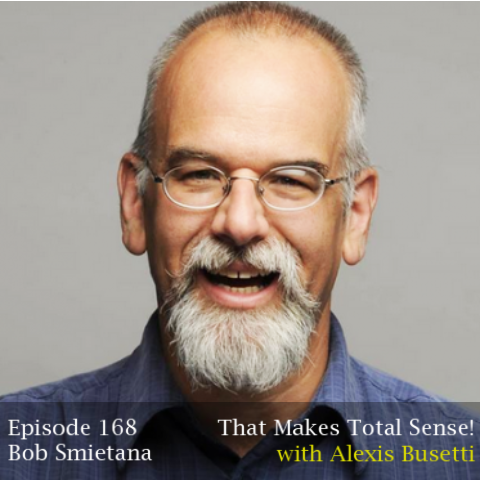
Speaker 1 00:01:29 And then, and then he, he, um, when he was on Twitter, he followed you on Twitter and he was like, You know what? I think Bob is a strange Bruce fan. Are you a strange Bruce fan? This is, Yeah. Okay. Well, at, at, at some point I'll holler at Seth and he can come in and wave and you guys can call each other knobs or whatever, you know, that, um, strange, rude people do. So I'm here with Bob Smith, Tana, he is, Everyone knows your name, Bob from your reporting, and I hope that we can chat about that some today. But the book that I finished is relatively new called Reorganized Religion, The Reshaping of the American Church and Why It Matters. That's, that feels like kind of a loaded title.
Speaker 2 00:02:19 It's a good title. So we wanted to call, we had a different title, but, uh, this is a better one than one. We had
Speaker 1 00:02:25 What was the, what was the
Speaker 2 00:02:26 Original? The first, the first title was called Making the World Less Awful. Oh. Which is one, one thing that churches do and religious groups do is make things less. They don't always make it better, but they make it less awful for people in lots of different ways. But nobody thought that would sell. So there we go. I liked it.
Speaker 1 00:02:43 I think it's great. But didn't you, one of the chapters is similar to that,
Speaker 2 00:02:46 Isn't it? Yeah. So that's Yeah, We, that's that's the title. That's
Speaker 1 00:02:48 A compromise.
Speaker 2 00:02:49 Yeah, it's a compromise. And I think the be the title is much better, so I like it.
Speaker 1 00:02:54 Yeah, I like it too. Um, and it's really, you know, when I was, I was reading it, uh, a couple of days ago at a sports practice with our kids mm-hmm. <affirmative>. And so my boys were practicing, my girls were sitting with me and my, one of my daughters was reading over my shoulder and she saw, uh, reference to Covid 19. Right. And, and all caps, and there's lots of references to Covid 19 in the book. And she, she, her comment to me was, Wow, that must be a brand new book. And I said, Well, it's relatively new. What, what makes you say that? And she was like, Because it's talking about Covid 19. Yeah. And I think when, when I think about the title of reorganized and reshaping and all of that, I think this, and we'll get into that, but like, this is, this is the time to be reading this, this this is bound to happen, I think is one thing that people are saying, this was bound to happen, but because of the pandemic, whether you want, it's like highness like, ready or not, right? Yeah,
Speaker 2 00:03:52 Yeah. No, no, no. It was, Yeah. Accelerated all kinds of things and revealed all kinds of things.
Speaker 1 00:03:56 Right. Which is, which is crazy. So let's get there. Okay. But first I wanna ask, with all of your years, one of the things said decades, Bob, is that real life?
Speaker 2 00:04:10 It's decades. Yeah. No, so it's 1999. Okay. So since the last millennium I've been a religion reporter.
Speaker 1 00:04:16 I mean, let's, let's just be, Okay. I graduated high school in 99. So we're talking about last month
Speaker 2 00:04:22 Monday. I'm, I'm old. Yeah. I'm
Speaker 1 00:04:23 Feels a little, Oh, I'm saying I feel a little old with that. Um, but yes, the, um, the, the late 19 hundreds as they're calling it, as the kids are calling it these days, late 19 <laugh>. But so you've, so you've been in this biz for decades. Yeah. Now, after decades. This, this book isn't just a result of a few interviews and a few statistics and a couple of things you decided to do while you were researching this particular topic. You can feel your experience and your expertise of those decades shaping the writing of this book. Mm-hmm. <affirmative>. So why after all of these decades, was it time to kind of compile some of those experiences and, and put it together in a book like
Speaker 2 00:05:11 This? That's a great question. So one reason is just that the change is really accelerated. So, uh, there's just like was, uh, one piece of data that really kind of explains part of that. So in 1999, I started covering religion in 1999. The average congregation has 137 people, which is great, Right? With hundred 77, 37 people. You can have a pastor, you might have a youth pastor, you can have a music director. You have a sustainable way forward. Uh, the average congregation now, so this is the median congregation is 65 people. So that means half the con, so it's half the size it was before. And that really means that half the congregations in the US are under 65. If you get 65 people, you have kind of enough people to do what you want to do. It's harder to pay the faster, harder to keep the lights on, but you have no margin for thinking about the future.
Speaker 2 00:06:03 So we, we've seen this, you know, I've really experienced this sort of accelerated decline of organized religion. And I have 20 years of experience, or 20, almost 20. It's 23 years of experience covering this beat and watching how important religion is, is in people's lives, both on the personal level and the societal level. So it's that kind of mix of things. Religion's really important in the world. It really shapes all parts of the world. It really shapes people's lives and their communities. And it's declining really fast. And we still need it to, to play a really important role in society. But the, it's not really sustainable the way things are going.
Speaker 1 00:06:42 So when you're talking about religion, and this book is largely about the church mm-hmm. <affirmative>, but I really, one of the things I really appreciated is, is you have a pretty substantial section, and then you kind of go back back to it several times, um, that can kind of be encapsulated in this quote. It just says you wrote, Religion is human and it matters. And and you're not talking just about Christianity or protest. Yeah. In the United States, you're talking about religion.
Speaker 2 00:07:19 Yeah. I'm talking about organized
Speaker 1 00:07:21 Religion. Yeah. Organized religion. Yeah. And inst
Speaker 2 00:07:23 Institu institutional
Speaker 1 00:07:24 Religion. Right. The institutional religion. Um, but talk about that. Like why, why do we, why do we need it? Because one of the other things that you, that comes up frequently is this phrase that everyone has heard someone else say. And, and many people have said it themselves. Well, I'm, I'm spiritual, but I'm not
Speaker 2 00:07:47 Religiou religious religiou. Yeah. So one of the way things, I've put it this way. So organized religion is the way that people take all their values and their spirituality, and they practice it particularly on behalf of other people. So it provides a channel to, for you to, So for example, right now on the Gulf Coast, there's thousands of volunteers from all kinds of different faith groups. So in disaster relief, this is a big place we see this. So the Southern Baptist, the Methodist, the Mennonites, Jews, Mormons, uh, Muslims, all kinds atheists, all kinds of people assist there. But mostly religious people, well, they can do that because they're organized, right? So they have training and they have lists of people, and they have money, and they have resources. All of that was very intentional. So they spent a lot of time being intentional about how do we take this value?
Speaker 2 00:08:38 Our neighbors have been devastated by a disaster. We need to lend a hand, but how do we put that in practice? And also institutional religion or churches or houses of worship help on the personal side. So, so people wanna have weddings or someone dies in the community, or there's this disaster in your own community, or you have a community meeting. There's all these ways in which that provides the space for people to practice their religion. So a so a world in which everyone is practicing on their own, they can have spiritual, um, value to that. It's harder to put that in practice. Now, we do have secular charities and secular institutions that, um, do help people put their values into practice. But, but churches in particular have a different way of doing that because it congregate. So the, we use the word congregation and talk about the people.
Speaker 2 00:09:31 It comes from the word congregate, which means to get together. So you have congregations of people that get together on regular basis. They know each other's names. They are taught in those meetings often to become better people and to make the world better. And then they're set out to do that with resources that they collect to do that. So it has a, a way of affecting the community in a way that just sort of praying on my own or seeing God in nature or all those things are important, Right. The spiritual nurture of people is important, but there, it's harder to put those then into practice in the world in an organized and concentrated way.
Speaker 1 00:10:08 Right. And, and that's important. I love how you put that. That's, that's important not just for us, but organized religion, doing that on behalf of, or for the benefit of, for
Speaker 2 00:10:20 The benefit of the woman, someone around us. Yeah. Yeah.
Speaker 1 00:10:22 Right? Yeah, yeah. Yeah. And so, so when churches step in, you know, you talk about how churches often step in to fill holes and, you know, government's important. We need need that, and, you know, all of that kind of stuff. But there's a lot of times when a church just has the infrastructure mm-hmm. <affirmative> to respond to something maybe a, maybe a disaster or maybe some sort of unforeseen, uh, circumstance in the community where they already have a, they already have a people, they already have a building. They already have a, a bene it's budget perhaps. Mm-hmm. <affirmative>, they already have leadership in place, volunteers who are kind of on call, and then they can respond a lot more quickly to a need than a government agency that would have to go through bureaucracy and red tape and, and that kind of thing to, to meet needs and to get things done. And even though it may not be permanent, they can respond way. Yeah. They can respond way that's meaningful.
Speaker 2 00:11:16 So one of the, one of that metaphors I use, uh, some of the book uses that I talk to is that church is a bridge, Right? It helps you get, it bridges some of the gap from when often when, when either, um, where people's need is and where, where larger scale programs or, uh, fail, Right? So if you need a little bit of groceries to make yourself get through the week, or if you need a little bit of gas money or money to make your rent this month, almost, you can go to almost any congregation and get that kind of help often without the kind of having to fill out paperwork and all kinds of things. Uh, the short term help. But if you don't have that, then things get really much worse.
Speaker 1 00:11:56 Right. So, <laugh> with all of that that we've just said, this begs the question, why is it? I don't wanna say it's dying, Bob. That's, that's,
Speaker 2 00:12:06 It's declining though. It's declining.
Speaker 1 00:12:08 Declining,
Speaker 2 00:12:08 Right. For, for a number reason. So one of the, so here's a funny, this is a funny line. This will sound terrible, but somebody asked me, actually, they didn't ask me. I was at a meeting and one, they were talking about, uh, what to do in church buildings after they close. And someone said, Why don't people go to church anymore? And the the sociologist said, Because they're dead, which made me, I was like, Oh, no, that's true. So some of this is driven by birth rates, right? So people who are church growing in the us that church growing generation is now older. They started having, So the way churches grow, people think churches grow by converting people, They do that. But the way congregations have grown almost into the whole church's history is by, um, you bring in new people, they have kids, they pass faith onto the kids, they pass faith onto their kids.
Speaker 2 00:12:57 That's how it grows generationally. And it's always grown that way. So people, when people think about how did the church become so big in the, the Roman Empire, they had more kids and they kept more kids than the, the other groups in society. And so that's been disrupted. So people, uh, especially, so the US used to be mostly white, mostly Protestant, and most of the white Protestants stopped having kids. So that's how it started, the decline that, and it's been offset by, uh, immigration. It's offset by demographic change. But it, it's not, you can't, um, it's hard to offset the kind of, uh, biological decline. Then you have people leaving. So we have fewer people who grow up in churches say, This is for me when they grow up. So they switch out. But one, three American switch out of the faith they grew up in.
Speaker 2 00:13:48 And sometimes if you, if you go between denominations, this as many as one and one and as many as half American switch. Wow. So people switch and they leave and they don't have as many kids. But other things are, people don't believe in institutions anymore. So institutions play a really important role, but institutions, we don't trust them for, we don't trust them cuz they've behaved badly. We don't need them because we have found ways to organize information faster. You don't need to go. So you don't need to go to encyclopedia to find out information you could find on, on Google. Right. If you wanted to go. So when I was a kid, you know, even, even 20 years ago, if you went to a town and you wanted to get somewhere, you need a stranger to give you a ride, you got in a cab because a cab was licensed and institutional, or you got on the train, licensed institutional.
Speaker 2 00:14:40 Now you just pull up your phone and some person you don't know, <laugh> gets you. And they, that's the way you get the, a trustworthy person take you there. Right? You do it in act. You wanna wanna find a place to stay. You go to an app, you don't have to go to a hotel to say, Oh, this hotel, which just industry and regulation. So we don't, we don't need institutions. And some of those institutions have acted really badly. Uh, and then we have this kind of whole, um, kind of tech, Well, and maybe it's back, it's the same thing. Technology has changed our lives. We don't need, we don't participate in institutions. We have the whole bowling alone, um, phenomenon, which is the idea that things like, um, communal organizations, bowling leagues, sports leagues for adults, um, lines, clubs and stuff, that's all on decline. And so one of the few things that's left the churches. So that's a kind of, it's a lot of things happening all at the same time.
Speaker 1 00:15:37 Yeah. That, that section where I, for, I forget who it was that you had, that you had interviewed talking about that institutional trust mm-hmm. <affirmative>. That was fascinating to me because I Isn't
Speaker 2 00:15:49 That interesting? Yeah. Yeah.
Speaker 1 00:15:50 I mean, I'm, I totally resonated with it, but I couldn't have named it as a thing. Yeah. Until, until he named it as a thing. And, and then I think it was, I think it was in that section where he said basically like, pastors and churches for the most part are not accepting that this is a thing. Yeah.
Speaker 2 00:16:08 They are, They're, they're trained in a way to say, we have the answer come to us. Right. And they were, they were Bill really for a world where church going was, uh, socially acceptable and expected. So what you were doing in, we have so many denominations. One of the reasons we have so many denominations, there are theological reasons. There are also market driven reasons you have to offer what is the best kind of church. So, so you were in an Audi, you were in a marketplace of people who were gonna go to church. And so you're competing to say, This is why you should come to our church, either cuz it's the best church cuz we know the best things about God. Or it's the best church for you that what you believe about God fits what, what what we can offer or what you need can fit what we can offer.
Speaker 2 00:16:51 Now you're have a, a larger and larger number of people who say, Why would I even come to your church? So they're not even having that conversation. But the church is thinking, Oh, I you should come here because we have all the answers and we're gonna give them to you, and you're gonna come to us to find these spiritual answers where people will say, I don't need you to find spiritual answers. I can find them on my own. So why do I need you? So you have to even start at the point of like, why this might even be something you might consider that's a whole different, you organize yourselves differently in that kind of world.
Speaker 1 00:17:25 Right. And it's like we, that's one of the, that's one of the areas where, I don't wanna say we haven't caught up, but like, we, we haven't caught up. You're right. It's like, it's a different, it's a different conversation. Right. So, um, there were there, you know, some of these social issues that have become more to the forefront these days. Um, my husband and I were having conversations and we were like, the last time we talked seriously about some of these social issues for us, even as a, even as a family may have been 10 or 15 years ago mm-hmm. <affirmative>. And, and one time my husband said this, it struck me so much he said, Listen, we're trying to join this conversation, but we don't even have the right language. Yeah. Like, the language has changed. Like, we, we can't even converse in a meaningful way because we don't even have the right words. It's not because we don't want to, but it's just that we don't even have the right words. And that, and that's kind of what it made me think of. It's like, it's not that we don't wanna be present. It's not that we don't wanna be a part of this. It's just like we're, we don't even have the, we can't even communicate in a way that's, that's meaningful to, to people who we might want to draw to the
Speaker 2 00:18:34 Community. Yeah. Yeah. And we haven't even talked about the issue of race, for example. Right? So as demographics change the kind of racial dynamics change. So congregations need, you know, we had a very segregated, that's this old saying that Sunday morning is the most segregated hour and the of, uh, of the week. And it has still remained that way because of the, what we call the big sort. Right? So the big sort is where people congregate among people who were like them. They, they hang out, They live with people who vote like them, who look like them, who think the same way or the same background. And so now, and churches used to be a place that cut across those, those, uh, diverse identities. It's less and less like that now. So at the same time, they have to become more diverse cuz the, the country's more diverse.
Speaker 2 00:19:20 So about one in four churches is now what we consider multiethnic. But as a church becomes more ethically diverse and the country becomes more ethically diverse, people from different backgrounds all of a sudden have more of a say what's going on? So we're having a, we're having a, so if you're in mostly white church, you're having a congregation about what church is, You're also having a congregation about how race has played out in your church. And so if people of color have come to your church to a church and they've been out number 10 to one, they, that's a different dynamic than if it's one to one. If everyone is on an equal playing field, well then you, you, the culture's gonna, Why do we do things this way? Who's in charge? Who's picking the music? What are our norms here? You haven't had those conversations.
Speaker 2 00:20:06 And you have the idea that the Christian identity has all those boundaries. You have the reality that it didn't erase all those boundaries. That it was the, the dominant, there was a, what they call hegemony. Right? The dominant, the largest racial group shaped the culture in a certain way and shaped the expectations. And now that's not gonna happen. That's not, and the broader culture, they're having that conversation of like, wait, we had a bunch of assumptions that we're gonna have to change that's gonna come to church. People are already uncomfortable in the broader country culture. Now they gotta come to church and have this conversation and people wanna rush to, we're all have the same identity and we can keep things the same. Versus we all have the same identity. How do we change things?
Speaker 1 00:20:50 So this, so this brought up like kind of three different things. So I'm gonna kind of, I'm gonna kind of process those out out loud a little bit. And then you just, just put in whenever you want to, Bob. So, so this is, so one of the things that brought up was that the statistical reality that, you know, so I think Emerson is the one who Michael Emerson is who kind of defined maybe a, a multiethnic church as being, as being where, where, um, the majority group is no more than like 80%. Right? So all you need is 20% of people who don't look like the majority group too, kind of classify yourself as a think church. Mm-hmm. <affirmative>. Now inside of that, most churches in the US who that are multiethnic are predominantly white churches. Yeah. With smaller numbers Yeah. Of, of racially and ethnically diverse people who we kind of know anecdotally at least aren't always heard in the way that you're talking about.
Speaker 1 00:21:44 Right. And, and tend to, um, yeah. There's, there's lots of dynamics there that kind of, that kind of make it <laugh>, If I were saying it to a friend, I would say, it still looks like a white church. You just have like some black and brown people in it. Right. Um, in a lot of ways it looks like that. So, so there's kind of that dynamic. Then there's the one that you're talking about with the diversity that the, that the country is talking about mm-hmm. <affirmative>. And when you look at this inside the church, and you name these statistics, one of them was stark. I wish I had put a posted note on it now, but, but on, um, the differences in one of the most recent elections was like 80, you know, 80 something percent of white Protestants voted in this way. And, and 91% of black Protestants voted in another way. Right. So this is like really?
Speaker 2 00:22:33 Yeah. There's, there's a political delight. So there's two things going on. There's one is that the, in the political last few elections, all the white Christians, white Catholics, white Protestants, um, they all voted Republican. Everybody else majorities of everybody else. Black Protestants, Hispanic Catholics, Hispanic Protestants, um, Asian American, Christians, Jews, Muslims, everybody else nuns, all voted democratic. So that's a huge, uh, party divide. Then you have the kind of other question which Amazon has some really interesting data on. Basically, they talked about among, they talked to white Christians in America and black and, and black Christians in America and Christians of color. And basically if you ask people how are racial relation, do we have racial uh, divides in America? The white Christians say no, Everybody else says yes. Right? But stark difference. So there is
Speaker 1 00:23:27 A, even white non-Christians will
Speaker 2 00:23:28 Say yes. Yeah. White non-Christians are seeing, Right? So the only people who don't think there's a problem with racial divide in the country are the white Christians. Right. As a majority. Now, different people have different kinds of ideas, but there is a disconnect on how we are doing well on that issue.
Speaker 1 00:23:43 Right.
Speaker 2 00:23:43 That's gonna play out in the the church. And how do, and the funny thing is, churches are all set, are set to listen. You know, what are the skills they have? How do we listen to each other? How do we adapt when we fall in short, how do we make amends for things that haven't gone the way we wanna do? How do we become self-aware that we are not the people we thought we were, We have all the skills for that, but they don't always apply them to say, Oh, how do we do self-examination? How do we say, Oh, we've gotta do better. And then how do we not just, um, get forgiven for stuff, but make amends? The whole idea of penance, not just pendants, but repair and making amends is kind of lost. There's kind of like you're forgiven, Okay. But the kind of let's rebuild and make things better part gets lost. Like, what is the new community we wanna build? It doesn't just erase everything that has happened and it doesn't mean you can keep doing the things you wanted did before just because you were forgiven.
Speaker 1 00:24:44 Right. And that, that plays out a lot in a lot of these white dominant Yeah. Church communities where maybe there's a, maybe there's like a superficial, like, yes, we're looking forward toward racial reconciliation, but then when someone starts to bring up or try to educate the community on, well this is what the racial history has looked like. Yeah. Maybe, maybe nationally all the way down to denominationally. Right? I mean, I grew up SBC and, and it's like, okay, this, we have to have a real life discussion. Yeah. That this was one of the denominations that split over the issue of slavery. Oh yeah. Yeah. We were not on the right side of that. Right. As the, I mean, I say we, but I grew up in the SBC for 20 years. Right. So it's like you, you have to have an actual, not just a conversation about that and say, and and put a statement out there and say, all is forgiven all as well. When you start talking about repair things get
Speaker 2 00:25:39 Yeah. That's, that's tricky. I mean, that's apologize for, they become, for they're part of slavery. They become morely diverse. I think what happened then was the people thought it was done right? They didn't think about how do we, okay, now how do we build, uh, a society that's more, just more, more, um, diverse? How do we build that so the, the the kind of ideals are actually realities. And if we seem the same power structures that, Oh, that's not, and people have not been to say, wait, it's not still not going the way it ought to go. People think, Oh, we got rid of that. And it's hard because people don't think they are, they don't think white Americans think that they are. Some of the language you use is hard. Right. If you say you're a white supremacist, that's a, they we think of kkk. There are very few of you k KK people out there, but white normative is a, I mean, this is not my specialty, but the idea that white is normative is still there.
Speaker 1 00:26:41 Of
Speaker 2 00:26:42 Course. Yeah. You know, so
Speaker 1 00:26:44 Yeah. It's still, it's still there and it's, and it's getting like, there's a conglomerate forming and there's, and there's conflation. So one of the things that, again, I couldn't have, I couldn't have name, but that's why we have like these fantastic sociologists and people out there who are doing this kind of work. Um, but this concept of a, I think that she calls it a, a mega identity.
Speaker 2 00:27:07 Oh yeah. Mega identity. Yeah,
Speaker 1 00:27:09 Yeah, yeah. Like, Yeah, talk about that. Cause that was the other thing I was, I was thinking when you were talking about this is I'm like, and it's not just, oh, these, these church communities are like, Yeah, majority culture, whatever. What does that mean? You know, there, there are lots of stories in here where you talk, especially pre pandemic. You know, one, one of the pictures, uh, that they painted in the book word pictures was you could still go out and maybe it was a predominantly white church, but there were bumper stickers for different political, you know, candidates
Speaker 2 00:27:36 Parking on was,
Speaker 1 00:27:37 Yeah. Everyone was getting, you know, still getting along even though they had differences and all this stuff. But that is changing. And this mega identity is kind of coming into
Speaker 2 00:27:47 These kinda fact that they call stacked or mega identities. And the, the other part of that is what they call effective polarization, which is my favorite word right now, because it's the word that says is works on in group outright dynamics. So not only do I have a, a set of, i, you know, a set of identities. So my, my church, my who I vote for, my, um, cultural patterns of what I buy, where I live, they're all stacked together. Uh, do I own a gun or not? That kind of stuff is all stacked together and that make an identity. But the way you get anything done right now is to tell people that the group that doesn't have your identity is wrong and you should hate them. And so even if you and the other, your group and the other group have similar policy ideas, you won't solve those policies because you can't compromise with the people you think your enemies.
Speaker 2 00:28:40 So the way you motivate people to go out and vote is to say, the, the other people are the devil and we have to stop them. They're evil. It's a mannequin kind of thinking. And so you can't get things done because there's no incentive to get things done. All the incentives work against work towards conflict, not cooperation and problem solving. And so if you take that kind of broader societal approach, right? And social media and politics, and then you bring into churches which are trying to, trying to, um, you know, bridge differences and work together, then you're gonna have conflict. And you know, and then what you also do is tell people who are in your outside group that they're not want, Well, welcome. So one of the things, one reason people leave is they know they're not welcome there, right? If you, I I, I heard a sermon the other day.
Speaker 2 00:29:30 It was kind of an anti, you know, anti wokeness sermon I guess you'd call it. But, you know, the person was like, the left is gonna get you the left is does that, the left does this, this is the sermon. So if you, if you voted differently than the pastor who disagree with the pastor, if you're watching it online, you say, Oh, this is not my place. I'm not wanted here. And if you're not wanted, you're not gonna show up. Now that same pastor would wanna tell everybody that Jesus loves them, But if, if they got the message that you don't love them, I don't love you, then they're not gonna believe. Or you might say he might actually love other people. But the message of the religious message and the political message conflict, and people already hear the, they already heard the one message everything's is already poisoned the well.
Speaker 2 00:30:16 So that's gonna be, that's one of the problems facing congregations now, is that the, that the, the social political group identity goals are clashing with the religious aspirations. And, and, and also, and actually the religious aspirations and the sociological need to become more diverse and reach more people. Otherwise, you're gonna, you're gonna decline the driving. So in fact, there churches are now in a dry situation where they, they have to become more diverse on all kinds of levels in order to become, in order to survive. You know, I I, this kind of splitting might have worked when people were gonna still show up and you could just say, Well, I'm only gonna, I, I, you know, I'm just gonna get the people who like our kind of church. Well now no one, the people who like our kind of church are shrinking a number and you're gonna decline and, and and fall apart unless you change.
Speaker 1 00:31:14 But it seems like there's such a, i I can't paint all churches this way, but No,
Speaker 2 00:31:21 No, you bring,
Speaker 1 00:31:22 Well, what, what I'm about to say, like, but you, I can't church paint all churches this way, but you do bring, bring up a few of these, like kind of, I hope they're extreme examples of pastors and churches who are, um, you know, really making, making it known who they are. And with the implied expectation that if you come in, you're going to be like formed in that image. Right? Yeah. So, so the one, the one example that you gave of, of the, the, the church community that was holding an auction for or giving away? Oh yeah.
Speaker 2 00:32:04 Oh yeah. That was kind of, um, there was a, uh, there was a kind of, it's called American Revival.
Speaker 1 00:32:10 There
Speaker 2 00:32:10 You go. It was revival. And they did have a, they had a gun auction at the church revival. I thought just like, we're gonna have a revival meeting and pray, and we're gonna give away an AR 15 and ar 15. But you think, oh, I mean there, that's, that's gonna appeal to a certain demographic, but it's also gonna sell a certain whole bunch of other people who are outside their demographic and outside their church that they are not, that this, this is not for them.
Speaker 1 00:32:36 Right.
Speaker 2 00:32:37 And the, the implication then is just Christianity's not for them.
Speaker 1 00:32:40 Right?
Speaker 2 00:32:41 I mean, and it's complicated because people, if you want people, if you've got people with complex views, it only takes a few people to really derail the connotations. So some clergy don't talk about issues. So like, vaccination became something that evangelical pastors didn't talk about, even though most of them thought you should get vaccinated. If you brought a vaccination, if you brought a racial and ethnic diversity, it ticked off enough people for them to derail the church.
Speaker 1 00:33:07 Right?
Speaker 2 00:33:08 And so this is a, I mean, these are the, so, so churches and pastors and both congregation members and clergy are trying to solve a complicated problem, which is how do you be, uh, faithful to your, to your, your religious values in a world that's different than the world that you used to live in, in a changing world? How do to be faithful in that moment? And it's not easy. And a moment where people are divided and where people don't wanna stick together and where all the, and we have taught people to be transactional. So we think about, we think sometimes, um, that the religious group is transactional. We love you if you follow all our rules. There's the other side of this, which is, I will come to your church if you give me everything I want and do things my way. And the minute you don't do me things my way, I'm gonna lead.
Speaker 2 00:34:00 And that goes cross bound. So these, that goes across all kinds of boundaries. So we have a transactional relationship, which that's gonna conflict with these, with Christian values or religious values who say, No, your idea might be wrong and the other person aren't the enemy. Well, why don't you give me what I, why don't you do it my way? Well, somebody else might be right. And how do I put that other person first and listen to other people and work together and reach consensus? Well, you can't, in a world that says, if you don't gimme what I want, I leave. Or a world that says, If you don't bow up to my rules, you leave. There's no, you know, there's no incentive for cooperation. There's also messaging that this is the way it is. And that makes it very hard to solve these very difficult problems of like, how do you be, how do you be faithful in a world where everything is changing? Our understanding of family, our understanding of gender, our understanding of racial dynamics, our understanding of institutions, how people no, not agree on any of those things. So how do you find a faithful way forward that doesn't, um, alienate everyone? And it's not that you have to change your theology, but you do have to think about how do you talk to people and convince them and, and listen to other people.
Speaker 1 00:35:19 It, it feels dehumanizing on both counts because it's very reductionist, Right. This transactional nature. And so if the institution, um, is kind of portraying this, uh, this idea, this image, this uh, this keeping thing of you, you can come as long as you do X, Y, z, and then the consumer as they're sometimes called. Yeah. And the congregant is, is saying, Well, I will come as long as you provide XYZ for me. This doesn't, neither side of that transaction is speaking to the complexity of humanity. Yeah. Being made in the image of God with all of these other aspects about ourselves that matter and need to grow and need tended to, and need to give and need to, and need to serve and need to be loved and experience love and give love, you know, um, when we're being reduced to whether or not you're a gun owner or whether or not you, uh, have a vaccine or agree mm-hmm.
Speaker 1 00:36:26 <affirmative> with the mask mandate, or you know, what, what, you know, just your view on XYZ pick. Yeah. Pick a topic if you have to, if you have to check a box. And none of that is relational or discipleship driven. Right. It, which is like what the church is supposed to be. And then modeling how to live together. You know, I I, I, someone pointed out in a podcast few years ago, and I was like, Oh my goodness, I think he's right. I think he's right of like, the disciples, like the original 12 were not some sort of like monocultural like mm-hmm. <affirmative> group, right? Like, they had all these like crazy differing political views, right? And they came from different, uh, professions and, and, and cultural places and familial places that would've never put any of them together. Mm-hmm. <affirmative> at the same time. Like God didn't, Jesus didn't just go choose 12 guys from the same fisherman boat who came from the same neighborhood and said, Let's go out and do this. Like, they all had these really different <laugh> perspectives on life and what living out faith should look like. And somehow Jesus was like, Yeah, the, these guys like, we're all gonna do this together. Yeah.
Speaker 2 00:37:40 There's crazy, there's a kind of a, there's a kind of, um, a romanticism of the early church and uh, sort of the Precon Constantin church. Mm-hmm. <affirmative>, uh, which was a train wreck. Any post Constantine is train wreck. There, there were, there were disagree because they were trying to solve, you know, how does this, how do we organize this religion? How do, what is, what is Jesus's being, uh, incarnation mean? What is the way forward? There was very complicated. I mean, they were fighting over bits of theology. So there wasn't, there wasn't like, uh, this, this, this kind of idea that it was just all, uh, happy clappy as they say. And it wasn't right. It was an all kumbayaing and, you know, we shall overcome together. It was very conflicted. And they figured out a way to work together, but it was, it wasn't simple.
Speaker 2 00:38:27 Um, and we kind of go back, well, we just go back to the early church, which was so awesome. Well, it wasn't so awesome. So there's that kind of thing. But yeah, no, there's, there's been a decline of sort of, and there's a decline in our society on like building friendship, building belonging, building community. And so that's probably one of the places where churches have to go back to is how do we do the basics, right? How do we gather people, How do we build community? How do we nurture people in faith? How do we send them out to do good in the world? How do we overcome differences? That's a lot of, um, so like, it's almost like communal rehab, right? <laugh>, they have to go through that for community straight thing in order to be able to, And, and what I think what congregations think is that there's a spiritual answer.
Speaker 2 00:39:10 If we get the right thing, if we pray better, we have the right pastor. If we have the theology, the great music, or we did the things that, the right spiritual answer, then everything else had fall in line. And that's, I don't, I don't, I'm a reporter. I don't talk about the spiritual stuff as much cuz that's not my, not a pastor with theologian. But that's, you're not always answering a spiritual question, answering a lived human, human answer. That's right. Or context. And how do you live in this context that's different than like what your theology is. Now, theology plays a role, but it's not, you're out looking at a bigger problem, Right. Of how you, um, it's like if you went to a different country and spoke a different language than the people there, then you'd have to learn language and the customs in order to reach and communicate with people there.
Speaker 2 00:39:59 That's in some ways what's happened, um, to older Americans are now living in, and those are who are, and often the people that congregations are older who are both go there, you know, So there's that old saying that, um, either a lot of megachurches used to say, uh, this is not your grandmother's church. Meaning they had guitars and stuff. But the reality is every church that's doing okay is your grandmother's church. Cause old people go to church, right? And they pay for it. They pay for it, Right? They pay for it so older. And those institutions and churches are all of a sudden going to a world that's completely different. And it's same geographic location, different culture. And that is the, the change you make. And there's a kind of idea, you just adapt to the culture that people resist. And that's not, that's not what I'm talking about.
Speaker 2 00:40:52 I'm just saying that this culture is different. You're gonna have to respond and how you connect with them, and this is why your congregations are shrinking. You know, what you, how you decide what, how your theology plays out is I'm giving you like the, the scouting report to say this is the landscape you're gonna go into. How you, how, how congregations and church leaders and regular people apply this. It's up to them. But I, I'm also arguing that they have certain signs of skills, how to build community. This notion that make, that, that helping everyone thrive is important. That you're, that you're building an institution for people outside, um, that you have all kinds of skills to do the kind of work you're being called to do.
Speaker 1 00:41:36 Yeah. But it's, it's true. And I like that argument, but kind of going back to what we talked about earlier, it's true, but it requires a mindset shift when you have been living in a different marketing world.
Speaker 2 00:41:49 Yeah. It requires a mindset shift requires, and it's not easy. Like the kinds of changes that people are being estimated are not simple, and they're not without cost and they're not without a lot of self-evaluation. And they're for leaders trying to, and people are doing this when they can no longer tell people what to do. They have to inspire and they had to communicate and build relationships. So the other problem, the other, uh, uh, factor affecting things is that people have sorted themselves into big churches and little churches. So the average church is 65 people. The average person goes to a church of 350 people. Okay? So you are, so most people are not experiencing the decline in the same way. And, but you have fewer and fewer clergy in those churches. And those, those congregations tend to give less, attend less, have fewer clergy, be much thinner run.
Speaker 2 00:42:44 So they don't have the kind of in depth personal relationships between leadership and the people that, So, you know, if you're at a congregation of a hundred people or 65 people, that's one minister and leadership has a very small group of people do it. But if you're a, a big church pastor and you got 20,000 people or 500 people, or 700 people or a thousand people, and you have, you have a, a clergy racial of one to 300 or one to 400, you can't have those kind of relationships with people or one to a thousand. You're not gonna have that kind of, um, and, and at a and the preaching, you know, at a smaller church is informed by the relationships and the context preaching in a larger congregation is more general and more specific and not context driven. So it's, it's a, um, that's a, the complicating factor too, that people aren't necessarily experiencing the decline and clergy are not in spots where they have the skills or the relationships to make the kind of changes that the churches in general need.
Speaker 1 00:43:47 Well, and I don't even know if we have like, full on time to go there. And I told myself, I'm not gonna ask Bob this, but then here I am. But it so that, that section on small and large churches was mm-hmm. <affirmative> really eye opening for me. I had, I had heard, I love, um, when I, when I talked to Doug bur he describes himself as a, as a pastor of a regular size church <laugh>. And, and I love that description. Cause I think as this church is like a hundred, a hundred people or less, something like that. But it's the pastor, he's a pastor of a regular size church. Yeah. But so, so you have this, but then you've got also the, the, one of the other factors in the larger churches, and it's especially you can see with churches of thousands, um, as opposed to just many hundreds, which many hundreds is like technically a megachurch. That's a
Speaker 2 00:44:32 Mega chance. You got more 200 people in the church, you're in will lot, just people in the country,
Speaker 1 00:44:35 The Exactly. Right. But even as you go onto the larger and larger churches of thousands, then one of the factors that you also have going on there that you talk about quite a bit is this, um, pastoral ceo. Mm-hmm. Uh, you know, situation where you, it's it's built on the back of and on the personality of one guy.
Speaker 2 00:44:58 Yeah. Or several couple, Yeah. A couple people. Yeah. No, it's hard. The, the kind of pressures you put on a megachurch pastor are really, and we see, Right. A lot of them, we see a significant number of high profile leaders crashing, burning, or the church doesn't do well after they leave because the thing is formed around them. Like that's a, that's an enormous responsibility to take on for one person to be responsible for a congregation of 10,000 or 15,000 people with 30,000 people. And that
Speaker 1 00:45:26 Go ahead. Yeah.
Speaker 2 00:45:27 No, no, no, no, no. So, so, and if you, and if we've had a kind of change in church leadership that's more, that's more staff elder driven. So smaller groups, smaller groups of people are making decisions for larger and larger groups of people. So one thing we've lost are kind of the soft skills of congregational governance. So, and I, and I, I grew up in a, a congregational setting, right. And lots of, lots of Protestants were congregational so that there were ways for the congregation to make decisions and be involved, electing people, electing leaders, voting on large skill ideas. It's less efficient the bigger you get, but those meetings are where people learned how to, uh, orderly and, um, method methodically works with different differences, Right. And convince people and disagree, and then still, you know, move on after that, uh, and come to consensus. Well, now you've very few people get that kind of, um, experience of how do you do this kind of work, Which is hard, right? Anyone who've been on a church committee or any kind of congregational being, it's complicated and messy and, and convincing and time consuming and relationship driven. So, um, I think that's the some skills that people, we just lost the kind of training ground for, for soft relational skills that we could all really use.
Speaker 1 00:46:57 Well, and no, that's a good point. I was thinking of my, of my late grandfather when, when you were talking about that, who, who served for a hundred years, you know, on the, on the committee on committees, right? Like he was, he was literally on the committee on committees, right? Oh,
Speaker 2 00:47:11 The committee on committees.
Speaker 1 00:47:12 Yes. My husband's like, that's a real thing. Like that's not No, that's not an SNL joke. That's a real thing. Yeah. He was on the, on the committee on committees, because that's what you did. Right. I remember when the church, I grew up and brought in the new pastor, and every literally everyone had a vote. Yeah. Right. As to whether or not to receive him, um, in view of a call as we called it. Yeah. You know, back then. But, but some of these larger churches, these megachurches with, um, kind of personality driven, um, there's, there, gosh, this is, this is so complicated. I shouldn't have opened this can of worms, but Oh, it's, it's, it's complicated because yes, everything that you just said, we've lost those soft skills, all that kind of stuff. But it also plays into the dyna the transactional dynamic that we talked about earlier, which is, I'm coming as a congregant to get something.
Speaker 1 00:47:59 And what is this? What is this institution going to give to me? Well, that decision on what is given is made by a guy or a group of guys, a small group of guys who, and I, I hate to say this, but oftentimes you mentioned that the gatekeepers, you know, thinking, and I think I'm a little sensitive to this because I'm, I'm, I'm training in some pastoral ways right now and thinking about what that feels like at the heart level. Um, but to think about this really wild irony that someone who, who bears the title pastor, would be making these decisions for thousands and thousands of people, when at the same time he may actually have physical security, keeping those people away mm-hmm. <affirmative> from even interacting with him. And so how does that even work on a, on a relational level, on an institutional level, on any, any of these things when, um, the person making the decisions that are going to affect these community, um, isn't actually even interacting with the vast majority of people who will, you know, bear whatever, whatever, whatever comes out from some of those decisions. And, um, it seems it, like when I, when I say it, I'm like, this is obviously counterintuitive. Like, like this obviously shouldn't be the way it is. Yeah. But it is the way that so many churches operate right now.
Speaker 2 00:49:24 Yeah. There's a, I mean, there are, there are probably ways of that the practices of large churches are, um, may not be as helpful as we hope they would be. Right. There are things that, you know, they become celebrity driven or corporate driven. There's a disconnect between people. It's not a real hel I I would say that there are downsides to this, Right. Unintended consequences of having kind of unhealth and then people are, uh, invested in a protecting reputation of the pastor, the reputation of the church, and then if something's going wrong, they can't do anything because they have to protect that reputation and everyone outside is watching. So, um, you know, I don't know how they do those kind of things, but I think the, the kind of, what we do know is that they've lost kind of the internal, um, connective tissue keeping people together.
Speaker 2 00:50:12 And there's a disconnect between the leadership in and the people. So how do they, And so a lot of, lot of congregations have said, We don't have discipleship, we don't have community building. Right? That's been a problem. The Willow Creek, which has had all kinds of other leisure problems, you know, about halfway through their a a number of years ago, and I don't know, I don't have it in front of me, said, Oh wait, we've been doing this wrong. Cause people aren't, aren't growing and being discipled, you have to see a lot of the disciple and formation. Okay, well how do you do that in a world? It's not just information, it's it's personal formation and character building and relationship driven. And, and, but the practice you're given to him, I'm gonna give you information in a large group revival kind of setting, and then you're gonna go out, maybe do a small group to do that, but there's nothing in between that.
Speaker 2 00:50:58 Um, there's also no the, um, there's no, the people can communicate. So there at least be this idea of the great communicator, right? That was the way of, So that led to sermon, video, sermon. Because if you had the great communicator who's very expensive, you only have few of them, and then you could multipurpose them, the, it made the, um, the sermon into a, uh, piece of content that we consume versus a relation, a person delivering a word from God to the people that they pastor. Those are different kinds of things. And I don't think we have grappled with enough of what the content, content, uh, turning sermons of the content and to monetization, the monetization of that content have done to churches and have done to our practices now. Like, you know, but you have the pope, right? The Pope does that to the, the Catholic church.
Speaker 2 00:51:53 There's a billion people. The Pope speaks to that queer people. But then that pope, that church is then divided into diocese with bishops, congregate, you know, parishes with priests. They're divided into small polices that actually function most of the time in their own. And then they have a leader who kind of speaks to them in a general principle. So what you in some ways have in a megachurch is a person doing the papa role, right. Or the bishop role without any of the infrastructure underneath it. And they have problems now because they don't have enough priests. But Protestants, that's a, that's a, it's a really interesting how much like Catholic hierarchy Protestant churches have become, especially Protestant mega churches. And, and you know, that, that, that can be good or bad, but that's, that's kind of the function of that kind things. And so it, but it's not necessarily a way of helping people move through this moment, right?
Speaker 2 00:52:47 Mm-hmm. <affirmative>, because those are not necessarily long term sustainable institutions. So you build an institution that's gonna last, it's not built for a hundred years. It might not be built towards the lifetime of that pastor. And so there's, I think some of the <inaudible> are aware of this. Like, I think, I think this is one thing Covid has done is Covid is sort of post covid. People are thinking, Oh, I can get all content I want without going anywhere. So if I'm just a content producer, then an experienced producer as a church, then people might want something different. They can get that at home. How do I get them to actually get all the rest of the stuff? So I think there's a lot of conversation and, and discussion about that part of, uh, church life.
Speaker 1 00:53:33 Yeah. Wow. No, that's, that's really good. Cuz it's the rest of the stuff, right? Yeah. Like it's, it's, it's the rest of the stuff. Um, Bob, I feel like I wish that I, I'm, I'm thinking about some of the articles of yours I've read and I'm like, Man, if I had just made an outline, we've, you know, but I've kinda bounced this
Speaker 2 00:53:53 So good. No, I've been really
Speaker 1 00:53:54 Great. I've kinda bounced this all over the place, but I want to, I wanna wrap it up with, um, with, with giving you the last word we chatted before we started recording and saying, how has it been for you being the one who's on the other side of the questions? And so now I feel like this, this, I, I do this often with guests, but I feel like this is like most appropriate with, with a journalist to say, with a reporter to say, what is the question that I didn't ask you?
Speaker 2 00:54:25 Oh, that's, that's, that's the best question I ask <laugh>. So I don't know the question. Hey, I'll tell you the question I want to answer. Okay. Or the thing I wanna say. That's what I didn't say. Good. I, I wanna say one thing we didn't talk about is, um, about institutions and churches. So the life that most of us have has been shaped by all kinds of people who didn't know us, who lives a long time ago, right? Think of the people who started at churches we went to, or the schools we went to. Think of the hospitals we were born at. Think of the places that helped us when we were in, like, we went to counseling or something. All kinds of different people. I think of this all the time. So I think of, um, I, I think of my mom. So one of the things I, I learned in the stories of story about my mom.
Speaker 2 00:55:07 So my mom is a daughter of Catholic immigrants in the, in the 19 hundreds, right? So in the, uh, my mom, uh, grew up in a very poor family. They didn't have enough money to send her to college, but she got a scholarship from a hospital that was a religious hospital that made, let her go to a nursing school that let her really have the life that she had cuz otherwise she was gonna go work at a knitting mill in, in Massachusetts. And those have all dis, like the Massachusetts textile industry has disappeared. So it changed the course of her life, right? So that hospital I thought was always Catholic, cuz they grew in a Catholic part of the country. No, it was the Episcopalian hospital starting 1800 by a Sunday school of Episcopalians who thought we need a hospital in our town. Episcopalians in the 18 hundreds and in the 19 ins, particulate and Protestants in 19 hundreds did not like Catholics, right?
Speaker 2 00:55:58 There was all kinds of stuff. So when my mom gets this, this scholarship from a, from a hospital started by Episcopalians, the lar, some of the largest Christian magazines in the country, Christian century Christianity. Today, you're running articles about the dangers of Catholics that if they become 50% of the population, they're gonna destroy us. Mari will be ended, it will be a paper state. This did not happen, right? But they also built institutions, They also built this hospital which built a nursing school, which gave my mom a scholarship, which changed her life. So there's that part, right? That people have often built places that serve everyone, even people they didn't like. So I think right now about, and if you look in your community, sometimes you, you say like, what are all the religious places? What are all the things that they do that benefit everyone else?
Speaker 2 00:56:47 How do we replace that? But I also want us to think about all the people who made our life possible, who lived before us, and then say, Okay, if you're a religious leader now or a congregation member, what you do now will affect people for generations. And especially now because if what folks do now will affect whether all these institutions will survive and we're talking about massive numbers of congregations that could close and once they're closed and gone, they will never be coming back. Right? You can't, a lot of 'em are in neighborhoods that you won't be able to church anymore. A lot of 'em in places where people, um, provide service that people need right now. So, so there's an enormous, what, what am I trying to say? I'm trying to say that there's a great deal of hope that in this time where everyone is kind of at each other's throat for churches and other faith-based institutions to say, Wait, we have a, we, we know of a better way.
Speaker 2 00:57:42 We have skills to help us get there. Let's do that and build something for the future. Because if we don't do that and let things go, we'll just have a, we can have a continued decline and everyone will be poorer for and in not given to the incentives to say like, who do I get? Who do I wanna own so that I can feel better now on social media or I can win this next election, which is a short term goal that does not get us to the kind of thriving for everyone that we want. So why not choose choose to be something different? Why not choose to be the people that you say that you are and want to be and rise up in this situation? Because you could have enormous impact long term. So that's my kind of point. Like there's a lot of hope for, and it's like the hour for congregations and religious leaders to put all their values to work for the betterment of everyone and for the solving of conflict and for the transformation of people and for the kind of, um, both internal reckoning but also internal, um, moving forward.
Speaker 2 00:58:48 Cause people won't change if they don't have something better. Right? They don't change. Why would you change the way you do church? Whatever you do, if there's not something better or possible, then just hang on to what you got. Right? You, there's a thing if when I grew up, if you don't, if it's not broke, don't fix it. But if it is broke and you don't, you can't fix it, sometimes you hang out to what is broken instead of saying, what could we be and don't get into, don't. I think if people would stop, if leaders would say like, how do our values apply in this situation and what and what we know is true and what we believe to be true about how we should act, how does that play out in this situation and not play into the zero sum game, we'd all be better off. That's the Sermon of Corner to Bob.
Speaker 1 00:59:37 I'm taking notes literally. Oh
Speaker 2 00:59:40 Gosh.
Speaker 1 00:59:40 <laugh>, thank you. That was, that was incredible. So the name of the book again that you're actively promoting, you were, you were out last
Speaker 2 00:59:50 Night. I was out talking to him about it. Yeah, talking
Speaker 1 00:59:52 About it. Yeah. I love it. Reorganized religion, The reshaping of the American Church and why it matters. And I'll put a link to where people can buy this in the show notes. Thank you so much, Bob, for coming. Great.
Speaker 2 01:00:04 Great. It was great to talk to you. Great. Have a great rest of your
Speaker 1 01:00:06 Day. Thank you. The links for all the resources mentioned in today's episode can be found in the show notes, music and podcast production by Seth bti. Be sure to give us a review on iTunes and subscribe at your favorite podcast listening app. You can also visit us at. That makes total sense.com.