Episode Transcript
Speaker 1 00:00:06 Welcome to That Makes Total Sense. A podcast dedicated to exploring God's generosity and justice. I'm Alexis bti, a Christian aiming to ask good questions and encouraging you to do the same. Every one of us is wired by God to live out generosity and justice. But the how sometimes eludes us that makes total sense is a way for us to get together, posture ourselves as learners, and challenge one another, to practice generosity and justice in a tangible way every day.
Speaker 2 00:00:43 Got it.
Speaker 1 00:00:44 <laugh>. Got it. <laugh>, thank you for clicking it. I used to, I used to be surprised by her every time. Yeah.
Speaker 2 00:00:52 <laugh>
Speaker 1 00:00:52 Recording, recording it.
Speaker 2 00:00:54 I just wish she had a gentler voice. Right. Aggressive recording.
Speaker 1 00:00:58 <laugh>. There was a, he did it. There was a, you remember way before Siri, right? We used to have the little GPSs in our cars Uhhuh that, you know, you could buy. Right. My dad bought me one when we moved to Houston. He's like, you're not losing my grandbabies in this super large city. And so since we had bought, he, the GP s was gifted to us. My husband and I were like, you know, fooling around with it. And we're like, oh my goodness, you can download voices. Right. So kind of like Sir Uhhuh, but this is way back, right. This is like 2010. Right. And we downloaded Homer Simpson
Speaker 2 00:01:29 <laugh>
Speaker 1 00:01:30 To speak to us. That
Speaker 2 00:01:32 Is hilarious.
Speaker 1 00:01:33 As we drove through the city, can you believe it? And so, you know, Houston, you used to live here. And so there's tolls everywhere. Right? Of course. And especially like I live over in West Chase Park. Right. So there's, it's just everywhere. It's always tolls. Right? Right. And, and Homer would tell, we used to think we could get her on the city without it, and we really realized we couldn't. But then Homer would warn us like, a toll is coming up. And then he would say something like, I can't pay the toll because I spent all my money on chocolate cigars. <laugh>.
Speaker 2 00:01:57 Oh my gosh. That is hilarious.
Speaker 1 00:02:00 Cause you know, you can set it. Do you wanna go with the tolls or do you wanna not go the tolls? And, and homework can never go with the tolls because he spent all his money on chocolate cigars. <laugh>. I wish Zoom had a homer voice. Anyway. I know.
Speaker 2 00:02:14 That's really
Speaker 1 00:02:15 Good. It's, it's okay. So who knows, Seth may leave this part in here and it's okay because we've been at this probably for 20 minutes already, where we're just not actually talking about the book. Yeah.
Speaker 2 00:02:25 <laugh>. No, but I will tell you, when I lived in Houston, we lived in Richmond. And the first year I traveled to the Fuller Texas offices every day. That's
Speaker 1 00:02:36 Far
Speaker 2 00:02:37 And huh? How what? That's
Speaker 1 00:02:38 Far from
Speaker 2 00:02:39 Richmond. Well, yes. And then obviously in traffic time, you know, it's like 45 minutes to an hour in the car both ways. And, uh, and by the end of that year, I felt like my body was deeply stressed by absorbing the traffic. Yeah. And the unpredictability of drivers and the crazy drivers and the tolls and the lights that you almost get through. But then it takes like 18, you know, times before you can actually go through. And I thought, I don't, I don't think me driving to work is, is good for my health. Obviously, you know, online stuff made it much easier to stay home, but, and it was, it was not good for like mental and physical health to absorb all of that traffic.
Speaker 1 00:03:23 Yeah. That's a great segue.
Speaker 2 00:03:25 Thank you.
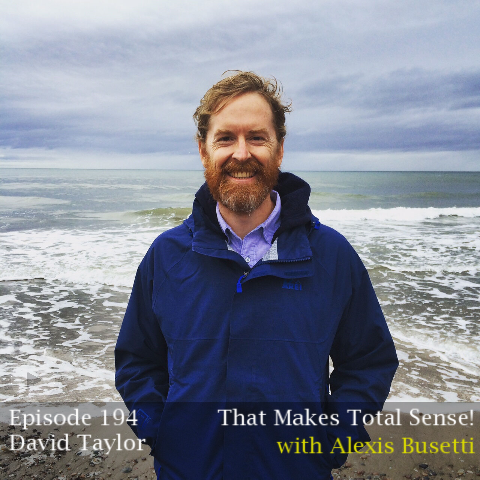
Speaker 1 00:03:26 You're welcome. I'm here with Dr. W David O. Taylor <laugh>, Dr. Taylor, um, who is one of my professors at Fuller. I took a phenomenal systematic theology class with Dr. Taylor last quarter, maybe. I feel like it's been a while, but I think it was actually just last quarter. Mm-hmm. <affirmative> and then boom, right here on like Instagram and all of the things. His newest book is out, A Body of Praise, understanding the role of our physical bodies in worship. And I, I just, okay, I'm gonna clear the air here. Cause I didn't tell you this in our pre-recording talk. One of the things that I have struggled with, so, so this caught my attention for this reason. One of the things I've struggled with in my adulthood and my recent spiritual formation is realizing what a disembodied theology I grew up with. Mm-hmm. <affirmative>. So you mentioned in the book that you grew up in kind of a dispensational mm-hmm.
Speaker 1 00:04:29 <affirmative>, uh, you know, type of, uh, Christian culture and, and I did as well mm-hmm. <affirmative> mm-hmm. <affirmative>. And inside the culture that I grew up in, it was very much this, uh, separation of body and anything that was spiritual mm-hmm. <affirmative> mm-hmm. <affirmative>, um, you know, so you've got funerals like, oh, it's, it's just a shell, you know? Yes. Inside of this, inside of this casket. Right. Or none, none of this matters. Everything's gonna burn up anyway because, you know, um, God is coming in the end and everything's gonna be in fire. Um, you know, or these things don't really matter. Yes. These, like things that we wear <laugh>. Right. Um, and so anything I've, I feel drawn in the last probably five plus years to anything that kind of embraces mm-hmm. <affirmative> that our, a holistic view mm-hmm. <affirmative> of us mm-hmm. <affirmative> as people.
Speaker 1 00:05:24 Yeah. Um, and so, yeah. So anyway, so understanding the role of our physical bodies and worship kind of got my attention. Yeah. Yeah. So I just wanna say that and just kind of say like, that's kind of confess my lens sometimes as we say. Um, you know, that's kind of where I'm coming from. Um, but I do wanna ask you, like, because you're kind of known at Fuller as being kind of, you know, one of the, the worship in the arts and kind of this creative and this, so, so that seems like it's kind of, of on the, on, I don't, this is a silly thing to say, it's kind of on brand for you, <laugh>, but it's kind of in the, in your wheelhouse. Right. It's fine. That's fine. It's fine's. A that you would do <laugh>, but at the same time, the physical body not mm-hmm. <affirmative> not what we create, but us as creatures mm-hmm. <affirmative> mm-hmm. <affirmative>, like, can you kind of talk about like, like what, what would, what prompted you to want to write about this specific thing, right? Like us as a body, not necessarily what our bodies create.
Speaker 2 00:06:26 Yeah. I, I went to seminary in, in Vancouver, British Columbia, a place called Region College. And I did an MA in systematic theology and fell in love with theology. But then I did a T H M in New Testament studies and found myself, I I, I think my initial entryway into the topic was all the work that was all the work in biblical scholarship that was being done in the nineties around the new Exodus and the new creation, kind of those ideas. Obviously Tom Wright was doing a lot of work on that. My supervisor, Rick Watts, a New Testament scholar there was doing a lot of work on Isaiah. And so I, I think I just became very fascinated by how very physical material the new creation was. I mean, it sounds like a very obvious thing to say, but <laugh>. Um, but I think what, what arrested my attention was this idea that the new creation wasn't something that lay solely in an absolute future, but it had already erupted in Jesus' own incarnation.
Speaker 2 00:07:38 And then was, you know, manifested, people got glimpses and, and, and tastes of the new creation in his ministry. And then, you know, death, resurrection, ascension, gift of the spirit. Then the spirit is the one who now needs as in like K N E A D S, uh, needs the new creation into the warman wolf of our very lives. And so it's as if Jesus has gone to the future, and then from the future sends the spirit back to us in a manner of speaking so that we can begin finding ourselves, you know, pulled like a tractor beam in Star Wars, <laugh> pulled, you know, irresistibly, uh, in the sense that the grace of God has an irresistible, attractive force into the new creation. So I, it was, that was swirling around my head. And so then I wrote my, my t h m thesis on the theological significance of Jesus's healing miracles.
Speaker 2 00:08:37 Like, he, he healed, but the tradition I raised in was, it was his healing was to prove his divinity, which is fine. Like, that is part of, uh, you know, the, the narrative of the gospels. But I, I, I felt that there was more, not because it was an original idea of mine, but because others were sitting writing about this. But I wanted to hone in on that idea, and that was 99, 19 99. And I haven't been able to shake that, that fascination with like, what w what is the purpose for crying out loud of having these fleshy, you know, bodies. And so all of my writing ever since then, I keep sort of ducking in and out of like, the physical. And so every book that I've written is a little, you know, foray. And then my latest, well, not the Psalms book, but the ones before the glimpse of the new creation.
Speaker 2 00:09:31 I have one chapter on the kinetic arts, um, sort of the, the art of moving, which includes dancing, but it's more than dancing. And I did so much research and most of the research stayed in a file and did not make it onto the page. And then I had, you know, one of those moments where the light bulb goes off and you think, dang it, I could write a whole book about this <laugh>. And then I got real excited, and then I got scared. And I, I think I got scared because I thought the moment you put pen to paper, you have to own what you've written. Right. And what if I get it wrong? What if I am not helpful to readers? But it was okay. It's sometimes it's okay to write scared because it just, it maybe keeps you humble and grounded, um, and dependent, utterly dependent upon God. And so that's what gave birth to the book.
Speaker 1 00:10:18 Yeah. Um, thank you for that. That's fantastic. And you, at the beginning, you said something like, um, and we, we read Tom Wright for your class, uh, surprised by Hope, which was just Uhhuh <affirmative>. Right. So incredible. And with that same, in that same vein, like right, what is the resurrection? What is this new creation? How do we live into that now? Yeah. And you, and you said something like, um, that this new creation is physical, but that seems obvious. And I think a, I don't know that it seems obvious <laugh>. I mean, you know, completely truthful, but then it, but then it kind of goes, goes into really where I wanna start, which is like, these things that seem obvious when you really wanna look at them, I don't even wanna just say theologically, but it's like, well, let's kind of break it down, aren't really obvious mm-hmm. <affirmative>. And you start your book by <laugh> by saying something like, there's not a neutral or a universal idea of what a body mm-hmm. <affirmative>
Speaker 2 00:11:16 Mm-hmm.
Speaker 1 00:11:16 <affirmative> even is. Right. And, and on the surface, some might look at that and go, okay, Dr. Taylor, I think you may be like, overthinking this <laugh>. Like, I can, like I can feel my body, you know, like, I know this is what it is. Um, but, uh, but at the same time, I think it's like, let's, but it's not actually right. Really that obvious. Like, what do we mean? And how has that mm-hmm. <affirmative>, you know, kind of changed. Um, so talk about that kind of as we get into this. Like what is that idea of body that you're kind of going with here, and that will take us through, that took you through the book, but also take us through this conversation.
Speaker 2 00:11:52 Yeah. So let me give some examples concrete so that, you know, you can see it in your mind's eye. But before I do that, I remember reading, uh, uh, Carbar, his Theology of Creation, theology of the Physical Creation, and one of the first thing he says, which was one of those, you know, aha moments where you think, oh my gosh, that is so true. And I've never thought that thought before. Which happens a lot, right? <laugh>, when you're in seminary, or if you're reading really good books, uh, that people, you know, bring fresh attention to things that, you know, you hadn't ever noticed. But he, he, he, he basically makes a point that a lot of us as Christians think that when it comes to things about God, like God's triun Jesus spirit, uh, even like salvation or eschatology, that's when you need faith. That's when you need to say, I believe, and to trust that God will disclose to you the truth.
Speaker 2 00:12:51 But all this other stuff like the world and humans and the stuff that's like empirically accessible to you, this is the stuff that you can say, we, we got it covered. God, you know, no worries, we're fine. But he makes a point that everything in the cosmos requires a confession of faith to know the true meaning of anything in this case, you know, the physical world, the physical universe, and our own selves. We have to say, I believe we have to have the truth of who we are disclosed to us, because there is a metaphysical being that is greater than us who made us, we do not have access to God's hardware to be able to say, well, we'll figure it out for ourselves. It's always an initiative of grace. So I think that that's a part of what I'm trying to say in this, that you think if you just look in the mirror, you got it figured out.
Speaker 2 00:13:48 But any scientist worth their salt, <laugh> will tell you, in fact, there's a lot that is invisible to you, uh, or you're just ignorant of, uh, that is, you can't literally see the neurons inside of your skull. Now, you could have soft, uh, um, uh, instrumentation that give you, you know, sort of glimpses into that, but there's still mysteries upon mysteries upon mysteries. So even, uh, uh, an empirical approach is going to be an inexhaustible venture. Right? Um, but the other way of putting this is, if you were to ask, um, like, you know, a a very committed, deeply committed atheist, what is the body like? What, what is this really? They would say it's mere organic matter, uh, and you occupy it as a sentient being for a limited amount of time, and then you're done. And it goes back to the earth. Uh, if you ask somebody who was a part of the avatar world, <laugh>, Hey, so what is a human body?
Speaker 2 00:14:53 They will probably give you what we would in the world of theology called a pantheistic kind of answer. That your body is yours, but your body is not yours alone. Your body participates in this sort of, let's call it a mystical being or a mystical current, you know, that runs through all of created reality, which is why in those movies, right, they gather together and they link up their, you know, their selves through their hair or whatever, you know, the sort of the, you know, nerves, you know, their selves that connects everything, and then they connect to the deep core of the earth. And, um, and that would not be an uncommon perspective in many societies, right? That my body is mine, but my body is not mine alone, because it's part of something bigger in the universe, right? And then you have others, and let's just go into the Christian world, who would say the body's just fundamentally a problem.
Speaker 2 00:15:52 Uh, it is fundamentally going to betray you. It is out to deceive you. It is out to trick you. It is out to, uh, you know, stir vice in you. And so it must be tamed, transcended, or tortured. Um, so the best thing you can do is just do everything you can to make sure the body is not, quote, unquote, distracting or distorting your ability to be faithful to God in the world at large, you know, in ministry and life, but also in worship. And then, you know, and then over kind of in a position that I would take is, you know, that our bodies are, uh, occupied by the spirit of God, and therefore they are fully ours. They're fully a grace and a gift that God is entrusted to us. But, uh, they also are not a possession that we own. We do not have a trademark on our body, that we get to do whatever we want with it.
Speaker 2 00:16:48 It belongs to the Lord Jesus himself. It belongs to the spirit as a, as a temple. And so those are kind of like, those would be like a philosophical, you know, set of possible answers. If you were to answer this, like, at a cultural level, like what's a body for, um, every culture will have different ideas of what the body is for in any kind of social cultural situation. So I, I was at my son's, um, qu he's in kindergarten, and th this morning I was at his little, uh, uh, uh, spring concert, and it happened the first period of the day. So parents came and was very sweet and cute as these things are. And some friends of ours were there, whose son is also in, um, in kindergarten class with our son. And, um, uh, the wife, her parents, uh, she's Chinese, her parents are Chinese.
Speaker 2 00:17:38 And they came and they introduced themselves, and I stood in order to greet them because I understand, uh, <laugh> from all of my Asian, Asian American friends, that there's a, there's a proper way to respond to a greeting with my body, and it's not to sit, uh, it's to stand. And I, and I gladly did that. And so, again, you know, in cross-cultural situations, we discover all the ways in which, oh, I thought this is <laugh> the right way to be in my body. Uh, but in fact it's not. And, and I, I, I've sort of, you know, uh, shown in gratitude or dishonor or disrespect or whatever, you know, these things come into be. That's what I'm trying to establish in that chapter, is what we think is obvious is not obvious. So let's step back and ask ourselves, well, what is a body for?
Speaker 2 00:18:27 And again, I, I'll say this and I'll, I'll shut up here, but like the phrase, boys, don't cry and throw like a girl. Obviously, you're shaking your head because, and because you think that's terrible. And I agree with you that that's terrible, but it has become a defacto law in a lot of community. A lot of Christian communities, boys don't cry and, and girls throw like a girl, uh, which is to say, you know, they're lesser or act like a girl or dress like a girl, uh, uh, or dress like a lady, right? Um, these kind of phrases. And that seeps itself into our life as the body of Christ and our life as the body of Christ at worship. So those are <laugh> the beginning of answers.
Speaker 1 00:19:08 Yeah. No, but it's, but it's really important things for us to think about as we, as we move into this, I think, because of course, like culture is the water we swim in, right? And so we don't think, especially in, in worship settings, in faith settings, those things are, they just, they just are the way they are. Right. And we don't question them. Right. Kind of naturally. Exactly. Um, when we're inside, you know, when we're inside of these settings until we're, um, presented with a situation that's different, right? And so, yeah. So when, uh, my family and I all do TaeKwonDo, and when we enter and exit the dodging in the, you know, workout space, we bow, right? Yeah. Right. This is the only place in our lives where we bow Right. Uh, at anything. Yeah. Really. I mean, we're, we're not in a, in a liturgical church, so we don't even have a lot of, you know, the ups and downs and things like that right there.
Speaker 1 00:20:04 But in that space, we use our bodies right. To, to greet and to show respect in ways that are different right. Than we do in, um, in other settings. But we wouldn't necessarily think about that unless we were, you know, yeah. Kind of there, as you say. Um, but I wanna go back and ask you to elaborate a little bit. Sure. Because the, the Christian setting that you kind of said first, um, mirrors a lot. What I, you know, kind of as I've already, uh, described a little bit, just alluded to kind of how I grew up, and that our, our, our bodies are, um, they're, they're problematic, right? In <laugh> the Christian space, they're problematic in, in a lot of ways that you and I could probably name just kind of depending upon, you know, how, you know, I mean, kind of where you, where you are on the spectrum, you know?
Speaker 1 00:20:54 Um, they're, they're, they're problematic in a lot of ways. But this, um, I don't know, this, this is, I'm, look, look at me trying to make up all of these words while I'm sitting here with my professor, this doctrine of problematic body ideolog. No, but you know, like, this, this is, this is problematic because Yes, because a lot of people take it back to Genesis, right? Yes. They do. And kind of use these mm-hmm. <affirmative>, uh, creation narratives to kind of prove maybe right. That our bodies are, uh, are problematic. But I would say, and, and I'm not gonna, I'm not gonna lecture her, I want you to speak, but I think that what we see sometimes in that though, is when we go back to even back to creation and we say, say, look at what happened. This means that our bodies are problematic.
Speaker 1 00:21:46 Ugh. It tells us things that I believe aren't true about ourselves, but I think it also tells us things that aren't really true about God. Right? Exactly. And, and him as creator and his relationship to creation and his relationship to creatures. Right. And, um, really even as you go, uh, speak about in the book, like his relationship to, like God's relationship to God's self. Yeah. Uhhuh, <affirmative>, Uhhuh <affirmative> in the Trinity, Uhhuh <affirmative>, this, this theology that says our bodies are problems ends up kind of extending these tentacles to mm-hmm. <affirmative>, the, these problems end up extending to all different areas. Sure. Of thought that can be really damaging for, um, for kind of our, our personal and communal theology, I think. So what, maybe, maybe a little bit about where that came from. Sure. But maybe more what, what might be, um, a different or kind of a better or more healthier, more holistic Yeah. Kinda framing to, to think about that even from the creation narrative.
Speaker 2 00:22:51 Yeah. You know, bad thinking about the bo body, as is the case with bad thinking about anything is like a bunch of scar tissue on top of scar tissue, on top of scar tissue. It's just so, such a, a mess that's hard to always, you know, untangle in a neat and tidy way, because there's so many things that come into play, why a history or a tradition or denomination or a community, um, may, you know, uh, think the way that they think and act the way that they act. But I, I, I think, um, in the medieval era, you had a 10, uh, an exegetical hermeneutical tendency to want to read the Genesis three text as a story of Eve being the protagonist of all that is wrong with, uh, you know, the world, uh, that it is through Eve, you know, that sent enters because she is the first one to accept, um, the forbidden fruit.
Speaker 2 00:24:05 And, and then, and then you attach to that, um, the fact that eve is a woman. And then therefore also, you know, empirically the world seems to suggest, as the thinking goes at the time, women are emotional and they're, they're physical. Like they're physical, they bear babies. It's like, it's, they're more physical and they cry and they express emotions. And so all of that gets nested up together, uh, as you know, a problem, which historically results in a lot of damaging and destructive results for women in, in the life of the church still today. Um, and so I, I think you have, um, bad ex of Jesus that comes into play in Genesis three, and then that gets married to bad ex of Jesus in the New Testament. So the language of flesh, uh, is then, um, concluded to be one thing, which is flesh is a sinful flesh, is sort of the warped version of our bodies.
Speaker 2 00:25:10 And it is what we are fundamentally, and therefore we must escape, um, the flesh. Uh, we must keep it at bay. We must, you know, dominate it in some way. Um, we must beat it right? <laugh> as Paul, as he does use that language, right? But you, you have sort of this, you know, um, Frankenstein, Mr. Potatohead of all bad acts of Jesus all gets put together and then that becomes a theology. And so I think one of the things I'm trying to do in the book is offer, um, not so much fresh readings of text, but fresh lenses to bring to our readings of the text. And so to say, Hey, you know, flesh actually has two senses. There is the sense that Paul says this is one version of flesh is that which is marred by sin. And the other is just the sense that we are all made of this thing called in the Greek socks.
Speaker 2 00:26:04 It's like we have, we're material creatures. Um, and so in the Psalms, my flesh yearns and faints, that's this very visceral physical sense of me is just pining for God. Right? That's a good thing. Um, and the body is a body of sin, a body of death. And that's like a euphemism for like the body that is oriented to or under the thra of sin. But the body, the soma and the in the Greek is also beloved of God. Jesus himself is described as taking on socks a flesh. He's a, he takes on a very fleshy fleshiness <laugh>. Um, and so I, I, one of the points I make in, in the theology chapter is that if we really want to understand the true meaning of our bodies, we don't go to the beginning of the Bible a as as, as, as, um, logical as that may seem like.
Speaker 2 00:26:55 What's our body? Will we go to the beginning? Well, it's not bad to go to the beginning, but if you really want to know what the, the true meaning is, you don't go to the, you don't go to the end, you go to the center. Cuz Jesus is the one who would disclose to us how profoundly broken our bodies are, but also how profoundly beloved they are. And the last thing I'll say is I think some traditions struggle with the mentality that, um, whatever, you know, whatever other role sin plays in our lives, it plays the biggest role in our bodies. And it has the first and the last word on our bodies. And what I'm trying to help readers understand is, yes, the body is subject to the warping, fractured effects of sin, but so are our minds. And Calvin called our minds a a they can become a factory of idols.
Speaker 2 00:27:46 Uh, our hearts are deceitful of above all things. Our, our wills are bent against God. Every part of us is fractured by sin. Um, and so, you know, just trying to help readers understand that. But on the other hand, that yes, sin is taken very, very seriously, but it does not have the last word. The grace of God has the last word. I think that's what the first chapter in John is trying to get at. That Jesus comes grace upon grace upon grace. Like that let that have, and I think the other thing that I try to, sorry, sorry, uh, match to that is I think we have, um, a very, very dim view of the third person of the Trinity. It's almost as to say, man, the powers of sin in our bodies are so great. Even the third person of the Holy Spirit cannot overcome, then good God, what are we gonna do?
Speaker 2 00:28:36 We should mortify ourselves more. Um, and what I'm trying to say is, folks, look, the Holy Spirit can take care of the business. The Holy Spirit is the one who can help us, mortify and vivify. So when you come into worship, when you come into relationship, when you come into whatever it is, you know, all, all the, all the wonderful aspects of our lives, trust that the power of the spirit is greater. You know, he is in you, is greater than you is in the world as, you know, scriptures put it, but it's these things, they just get real tangled up. And it's like a software that just runs on autopilot, right? And we're like, well, of course. And so I'm trying to say, maybe it's not, of course, maybe there's a, a different, a a better, a truer, of course, that, you know, comes into play when we read scripture.
Speaker 1 00:29:22 Okay. So let's stick, let's stick with Jesus for a minute, <laugh>,
Speaker 2 00:29:25 Because
Speaker 1 00:29:26 He's kind of one of my favorite subjects. Okay. Talk about, um, because one of the things that I really, really love that you elaborated on a bit is, so I I want, I want you to say more is partially what I, okay. I want you to say more about how going to the middle and going to Jesus incarnate Yes. Can help us understand, um, our own bodies mm-hmm. <affirmative>. And one of the things that continues to strike me, the more that I read about it in your book and in other places mm-hmm. Is, um, the, uh, particularity of Jesus. Yes. Mm-hmm. <affirmative> in his body mm-hmm. <affirmative> and the limitations mm-hmm. <affirmative> of Jesus mm-hmm. <affirmative> and his body mm-hmm. <affirmative>. And I would say one of the strange consequences that I, it feels, um, it feels kind of incongruent that it would be this way, but I, but I guess it makes sense, but I think one of the consequences of kind of a disembodied theology for us as people is to also have a disembodied theology of Jesus.
Speaker 1 00:30:29 Sure. And I think that often we, it, it ends up being kind of the reciprocal of that. Like our flesh is so bad and ugly and problematic, and then good thing that Jesus came because he's divine and wonderful and only godly. Right. Right. And then, and like those of us, like we were sitting here and each of us are parents and we're like, Uhhuh and Marion Joseph like totally changed his stanky pants and, you know, like all of these things. And like he had to learn to walk and he slobbered on himself and, you know, that kind of stuff. But also as you talk about a, you know, um, a little bit that I want you to elaborate not just on this, but kind of on this as a greater, is like, he also like walked and he didn't go every known place in the world, and he had a very, you know, he had limitations and particularities that were there on purpose Yes. As a result of him being Yes. Fleshly.
Speaker 2 00:31:20 Yes.
Speaker 1 00:31:21 So what does this tell us about, about him, but what does this tell us about us too?
Speaker 2 00:31:28 Yeah. I mean, it is astounding. I mean, and if we want to quote Paul, it is a mystery that is, it is something that we glimpse and grasp barely, but it exceeds our capacity to really quote unquote make sense of that the sovereign supreme unoriginal of the father, <laugh> the creator, becomes reduced to a span. Um, you know, in Mary's womb, he's little as little as you can get, right. A zy go. Um, and then sort of fascinatingly, you know, that the second person in the trinity willingly right. And by, you know, by Concord of the Trinity, the trinity is in on the whole gambit of it all. Um, he occupies Mary's amniotic sack Right. For nine months. And he is completely enveloped in that kind of care. And, and I think one of the points I'm trying to make in the book is then when he comes out of the womb and then he goes into the ministry, he is, he is replicating, he's extending that comprehensive exhaustive care that he received to others.
Speaker 2 00:32:37 Right. Which is why I think like he's so in the business of touching. Now, I do, you know, sort of concede the point that if he wanted to, he could have healed everyone by just saying he could have done just by thinking, um, there could have been a complete sort of zombie passive Jesus there thinking the thought, you know, like, uh, professor X and they would've been healed. But it is because it is his pleasure, and because it remains commensurate with his, not just his character, but his nature to extend himself. So there's the touchy feelings that I talk about, which usually that phrase is a, like a pejorative, oh, he's so touchy-feely. I'm like, well, you know, God in Christ is very touchy-feely. So what, what invitation is on offer for us? But the thing that is confounding and perhaps a stumbling block is how delimited, his touchy-feely ministry extends.
Speaker 2 00:33:28 Right? I mean, again, for, for, for, for being, you know, the, uh, <laugh>, uh, the maker of heaven and earth, he, he, uh, he roams a very, very, very small bit of real estate on planet earth during his three year ministry. So he goes to vi village and not that village, he hears this, he heals this person and not that person. He preaches here, but not there. And there are enough instances in the gospels where the disciples say like, man, this is, this is amazing. Let's go to that village and that village. And he says, no. And I think a lot of us again go, yeah, sure, sure, sure, sure. But think about it long enough. And it's, I mean, I think it should disturb us at some level, like how, I mean, don't they deserve the good news? Don't they deserve to be delivered and to be healed and, you know, everything else.
Speaker 2 00:34:18 So I think it, it comes, um, back to a fundamental question about what it means to be as, you know, you said, what does it mean to be particular? I am, um, delimited by my body. I can be here and not in the room behind me where my wife is working at the dinner table. Um, I can see you through a camera, but I cannot, you know, shake your hand because we are several, you know, a hundred, a couple hundred miles away from each other. And so might it be that this is not an absolute loss, but actually the, the way by which the grace of God is received and extended to others, that when he says that you are, you know, gonna do greater things, you are going to be my body. Actually, he really means what he says, that it is through my hands and my feet and my eyes and my ears and my mouth, and my heart and my mind that people get to experience the grace of Jesus, right.
Speaker 2 00:35:14 Uh, from and through me, and I think the, the modern western world, and to speak in sort of large, you know, generalized terms does struggle to, um, wrap its mind around the goodness of our own particularity. And so you have these tendencies, um, uh, to want to escape, um, uh, the de limitedness of our embodied life because it is perceived as a problem. And there's nothing wrong with telephones and, you know, letters and Skype and Zoom and all these things that allow us to extend our resource is fine, but there's still sort of like metaphysical instinct. Like whether it's through transhumanism, you know, in one sense or in one sort of space or assertive of ideas that our bodies are like this absolute plasticity and we can just do whatever we want with it. Like, you know, we can plasticized it and turn ourselves into whatever it is that we want.
Speaker 2 00:36:12 Um, because again, like it's a problem. Um, and, uh, the bodies that we are born with are given are, you know, I mean, we have very little to do with, um, the chemical neural physiological, you know, the, the <laugh>, the, uh, the color, all these kinds of things. And, uh, and because we live in a broken world, obviously brokenness kind of comes into play at every level of our humanity. But Mike, Jesus's particularity give us a glimpse of the grace of being particular and limited, which, which means we don't get to do everything we want to do. You do not, in fact get to be whatever you dream you want to be, which is a phrase, you know, just dream it and be it. And I'm like, I cannot play center on an n b A basketball team. I am not tall enough. I will never be a, was a coxswain. You know, the, the guys in the rowing, you know, competitions, the, they're little guys or little gals, you know, that call out. I can't be a, um, what is it? The horse, um, rider, uh,
Speaker 1 00:37:17 That's what I was thinking of too. And now I can't think of the name either. <laugh>, jockey,
Speaker 2 00:37:21 Jockey. Yes. Thank you. Yeah. Um, no, you're way too tall there, there are certain, you know, heightened weight. Um, and so we can, I think lament or like have a, a appropriate kind of like wistful kind of grieving, um, but then to maybe ex, uh, reckon with the fact that there is plenty of goodness in our limitations in our particularities, um, and all the things that we cannot do that that is a gift and, and a goodness and a grace. And then I think added to sort of like the other thing comes into play in Jesus' particular body is his crucified resurrected body is also a wounded body. Um, and so the particularity of the wounds come into play, I think theologically, uh, like what do we do with that? But then pastorally and, and re it's relationally and socially and liturgically, what does it mean to, to perceive our wounds, whatever they may be, um, as, um, sights for the beauty of God to irradiate from our lives. Um, so I think those are some of the things that come into play. I, I think when we take a real careful look at Jesus' actual body, rather than projecting what we think it is.
Speaker 1 00:38:37 Yeah. So I, I've been thinking about this a lot lately to, um, and where, where I want us to go next is kind of the, um, the normalcy of the body. One thing that you bring up in the book is like, this is kind of a recent thing that we kind talk about this mm-hmm. <affirmative>, um, and, and, uh, disability Yes. Theology. And so I'm, I'm just beginning in the last few years to kind of think about this. So, so I'm gonna say something, which is not where we're gonna go, but Sure. Just to let you know that this is kind of, this has kind of been, you know, stirring in my head when we Yeah. Open and you talked about, um, you know, new creation being physical, right? Mm-hmm. <affirmative>, and again, kind of one of these, one of these things, these phrases that we often say or hear and comfort ourselves, especially when we experienced the loss of a loved one, is we talk about the perfection of that person's body.
Speaker 1 00:39:26 You know, um, when my grandfather passed away, he was a diabetic who, like many diabetics had lost his legs mm-hmm. <affirmative>, and, um, and he loved to dance. He was a mm-hmm. <affirmative> a Mexican who really, really loved to party and dance. And so that was kind of it like, well, grandpa got new legs, you know, things like this. Yeah. Um, and, but then you, you know, you have people who were, um, born with certain disabilities or like him acquired them through the course of their lifetime, which most of us will. Um, but then, you know, we think about, okay, well what, what, what is this perfect body that we kind of dream about or comfort ourselves with in the new creation? And I often compare myself to LeBron James and say, I, I will never. Right. Like you kind of did. Like, I, I will never though.
Speaker 1 00:40:10 I, I don't have, even if I had Right. 18 inches on my height <laugh>, which I don't clearly, um, I don't have the athletic ability, like there's, I can't train, there's nothing about me that could train a hard enough ever mm-hmm. <affirmative> to achieve, you know, that kind of physical pros. Like, it just, it just won't ever happen. Mm-hmm. <affirmative>. But even now in my, in my limitedness here and we're, we're getting to disability, but, you know, I, I even think about, um, my, my husband is a, has a PhD in, he's a scientist, right. And I'm like, this is, my brain doesn't e I can't, like, it just can't even think about this. Right, right, right. When we were dating, I said something really, really stupid to him. Like, I was really frustrated cuz I hadn't gotten a terrible grade in my calculus class.
Speaker 1 00:40:53 And I was like, it's all just made up anyway. Like, I don't understand this, it's all, and he looks at me, right? This person has like three degrees and they're all very math and science have, and he's like, honey ca calculus wasn't made up. It was discovered. And I'm like, whatever. I don't, I don't think it's real, you know, like I, like you said, we have to believe in the cause of I don't believe in calculus. Okay. I don't believe in it. I don't care <laugh> what, what it is. Like, I don't believe, my brain just doesn't, it just doesn't work that way. I'm like the limited, I'm not LeBron James, and I'm also not a PhD level scientist. And so, you know, what do I do with my own limitations? But then I think like, but, but what is normal? How do we think about normalcy?
Speaker 1 00:41:30 How do we think about, um, you know, I I had someone on the podcast who, um, was a disabled writer talking about just asking questions about diversity in creation, you know? Mm-hmm. <affirmative>, what if, what if what she's experiencing and her disabled friends and colleagues is, is part of a, part of a beautiful diversity of creation, just kind of what if, and it's our accommodations that make things, you know, kind of, they're seem inferior or, you know, whatever. So anyway, I'm saying a bunch of things that are kind of have thought out because they are kind of half thought out as I, as I continue through this. And I have to say, I appreciated your thoughtful <laugh> response to some of those questions. Um, you know, as it concerns the body of Christ mm-hmm. <affirmative> the larger creation mm-hmm. <affirmative> and how we even think about or experience, um, disability and limitation and particularity inside of that. Sure. Okay. So that was a lot, Dr. Taylor. So maybe if you could like, just a little bit talk about when you, when you say normalcy, like the body being normal uhhuh, it wasn't, right. Like, that's not like how people have always thought about it. And then, and then you give maybe like, actually some thoughtful, <laugh> thoughtful to my like jumbled, jumbled up stuff there.
Speaker 2 00:42:55 Yeah. Um, I mean, I think all your kind of, you know, as you say ha ha have thought through or, or, or in, in progress, you know, thinking, uh, it is what I have also been wrestling with. And I think this part of the book, which is part of my, so like ethics chapter and it's only one third of the ethics chapter, um, was, was, was written with fear and trembling. Uh, because there's so many ways you can get it wrong. Um, and by all appearances, I don't have obvious kinds of disabilities or disabilities that would be classified legally or psychologically or otherwise. Um, and so, so, so there was a great deal of hesitation, um, that, that that marked that writing. I, I read a great deal to try to, to wrap my mind around the landscape of, of, um, disability studies and more like, like disability studies is sort of the large category.
Speaker 2 00:44:08 Theology, disability studies is maybe sort of a, a, a smaller and then disability studies in worship as an even smaller sort of landscape. And a lot has been written a lot of, you know, very, very, you know, thoughtful material. One of the things you discover as is often the case with any field is, um, not everybody sees eye to eye. You know, there's d there's a range of opinions and convictions and conclusions. I can't arbitrate all of that in a little, in one third of a chapter. So I had to ask myself, um, what's the one thing I, I would like to commend to a reader? And I think what I'd landed on was I wanted it to be invitational that what I wrote was invitational. And the second thing was that it would be rooted in stories that I was more familiar with. Cause there's so many different stories.
Speaker 2 00:45:01 And again, I think maybe I, I, I think as you hinted at, in, in, you know, reference, just talking to somebody else, um, there are questions about how do we think about disabilities that happen after birth or from conception onwards and disabilities. Well, I mean, that is disabilities that we experience when we come outta the womb and into the world. You know, like we're breathing bad chemical error and then, you know, that has a negative effect on our own chemistry, or we're neglected, you know, we live in an orphanage most of our life. We get no touch, meaningful physical, uh, affectionate touch, and then that sort of disables us, right? Or we have a car accident, um, you know, or cancer, you know, those kinds of things. And then disabilities that would come maybe from birth, uh, you know, that they're congenital as it were.
Speaker 2 00:45:47 There's a lot of discussion and there's a lot of, uh, disagreement about how we think about that. You know, it are these part of the Wharton woo of God's good creation, or are they part of Wharton Woo of the sins? You know, exhaustive reach the sin doesn't only affect us emotionally and relationally, and, you know, cognitively Eli is our ability to think ideas, but it goes down to our chemistry and our genes and, you know, lots of debate. I wanted to stay out of those because I just didn't think it was a, in my business to, you know, sort of figure those things out for the reader, but also be, I just didn't think it was necessary for the purposes of the book, which for most readers, let's just say 95% of the readers, they probably will have not thought any, you know, uh, sort of thoughts at length about this.
Speaker 2 00:46:32 So I, I wanted to woo and invite readers into this to say, Hey, here's some things to consider. Here's some fresh eyes and ears to see the world around you. And then I began with a family in our congregation. They have, um, four kids and two of them, um, are disabled, um, legally, technically speaking. Uh, and I just prayed for 'em this last Sunday. They came up for prayer because, uh, mom and dad were just having a really, really hard time. Um, their ability to be patient and loving had run thin over the weekend, and they're feeling very discouraged. And, uh, dad is a wonderful, amazing, uh, resilient human being, and Christian, and just a dear man. But he was dispirited and asking for prayer, and it was just really beautiful. It's sort of that like, hey, here we are. We trust that God is, you know, with us and doing beautiful things through our children who are, you know, struggling with their disabilities.
Speaker 2 00:47:32 But it's hard. And I think one of the things that I receive from them in conversation is, is that invitation to hospitality. How can, how can congregations, how can our worship be more hospitable to those with a range of disabilities? Again, whatever it may be, we may think disability equals not being able to walk or being blind or deaf are, you know, um, multiple sclerosis or, uh, whatever that may be. But there, there really is a range, you know, kids who are on the spectrum or adults are on the spectrum, you know, or, uh, mental health kinds of issues. Um, and so inviting church leaders, worship leaders in the book to say, Hey, um, why don't you just find out who's in your congregation that may themselves, you know, say, yeah, I got this disability. Or maybe you didn't know about it, or maybe you did, but didn't know what to do.
Speaker 2 00:48:24 But the hospitality that would invite a community to discern together, um, what would it look like for us, uh, to make our worship more, um, hospitable to, to everyone, and not just, again, not just wheelchair access. That would be sort of the thing that you could think of initially. Um, but another thing at Amos Young, who's the dean at, at, at fo seminar, has written extensively on disability matters. And one of the points that he makes in one of his books is how those, with, again, a a range of disabilities, invite us to embrace a more multimodal, multisensory worship that is one that doesn't solely rely on cognitive abilities to process data and in sort of rational intellectual kind of ways. But how can our worship, um, be more affective, you know, fully affective, fully bodily, fully imaginative, fully relational, fully participatory, uh, in whatever ways that that can be.
Speaker 2 00:49:22 And again, uh, we're so that is not just the brain, and not just the ear, but eyes and smell and taste and touch. And, and I read about this book, how, um, their, the two, two children, uh, of this family in our congregation, uh, ours is an Anglican, so it's a lot of prescriptive kind of stuff. Sermons are very thoughtful. They can't track, especially, they're, they're, um, how old is Layla? I think she's 13. Um, she just can't, you know, but they have memorized all the memorizable parts, uh, the stuff that we say every Sunday, you know, the creed, the, you know, the Lord's Prayer and other kinds of things. And then the bodily movement that when we go up, when we go down, when we kneel, when we bow the crossing ourselves, and she's one of the, we have, you know, kids who are crucifer.
Speaker 2 00:50:09 That is, you know, when the, when the service begins, you know, we process, uh, the, the, the pastors, you know, possess dam the crosses carried, kind of say, Jesus is the one that goes before us. And she sometimes takes a turn, and we have three crosses that weigh different weights, and she carries the lightest one because that's what she can do. And it's just, it's beautiful. And that's her way of participating. Um, and so it gets inscribed into her home bodily, sort of instinctual, the gospel. The gospel by way of the liturgy gets inscribed into her body. And then it continues to tell that story throughout the rest of the week. I think that's really like amazing, right? And that's a gift that she offers to us. So again, in that section of the, of, of that chapter, I identify four gifts, um, that those with, you know, a whole host of different kinds of disabilities offered to the rest of us.
Speaker 2 00:51:02 And I think to go back to your original question, to me is to question like, our ideas of what normal is, and where does language of normal come from? Uh, will, it comes from the world of, you know, craftmanship, artisanship, uh, uh, carpentry. Um, and then in the, in the ni mid 19th century, you know, there, it sort of gets transferred from the world of carpentry to the world of humans. And so you have better baby contests and fittest families contests. And then, you know, late nine, late 18 hundreds, early 19 hundreds, you get all that, um, um, uh, what is it, um, uh, sort of the, the survival of the fittest kind of, uh, mentality that then the Nazis, um, embrace, um, to, to how can we produced the, the, the ideal human. Um, and that's just an infectious way of thinking about it.
Speaker 2 00:51:57 And what I taught my own students, obviously we're one of my students, but in a, my theology of beauty class, I say, Hey, beauty has a complex and complicated history, but it's, it's most meaningful point of contact with holy scripture is language of shalom, where things, uh, express the kind of wholeness, uh, that enables them to flourish. Um, and so again, like even wholeness or harmony, it's like, how do we think about that? And so I'm just, again, wanting to take us into kind of a christological, um, exploration. How does Jesus show us what wholeness is, um, and restoration and flourish? How can all, you know, flourish within his, you know, company?
Speaker 1 00:52:43 Thanks. Sorry, I'm muted because my beautiful Mastiff was singing a song to let me know that the mailman must have come to deliver. Um, yes.
Speaker 2 00:52:56 You know, you're the third podcast where a dog has wanted to be a part of our conversation, <laugh>,
Speaker 1 00:53:02 She's normally lying in here with me on the rug, Uhhuh <affirmative> being completely lazy and not caring anything about it. But anyway, I don't know. That's fine.
Speaker 2 00:53:09 No, no, don't worry about it.
Speaker 1 00:53:10 She must have just decided. Um, okay. Uh, yes ma'am. I'm like, I'm, I'm trying to think. Okay. I'm gonna ask one last question. Am I okay? Am I gonna ask one last question before I'm gonna give it to you to close it. Okay. Um, gosh, there's just so much. I can't even, okay. Okay. Now I'm gonna try and decide. Okay. I was gonna ask something. Now I'm gonna ask something to, okay. One of the things that you talk about in the book that I loved was in worship, how it's not just, and I think sometimes because we are bodily, we think about worship as being stuff that we do. Mm-hmm. <affirmative>, we sing, um, maybe we kneel or bow or rise mm-hmm. <affirmative>. But what about, God? There was a, there was a quote, something that in my, in my short little notes, I didn't quite get right about that, that it's, that something happens to us mm-hmm. <affirmative> as worshipers through the spirit, that it's not just what we do, it's about a movement. Mm-hmm. <affirmative> of, of God. Right. But this is also bodily
Speaker 2 00:54:26 Mm-hmm. <affirmative> right.
Speaker 1 00:54:28 For us. So like, elaborate on that a little bit, and then I'm gonna turn it over. Yeah.
Speaker 2 00:54:34 Uh, where, where I land in the book, the very last chapter, I, and this, this was a moment of, of, uh, you know, Eureka epiphany for me thinking, what, what, what is the point of this book? Like, wh where are we going? Like, what are, where do I want to go? Like, what is the invitation to the reader at the end of like, all this thinking and all this, like reading and all this, like, well, we could do this and that with our bodies and prescriptive and spontaneous stuff. Like, but to what end? Uh, and then, you know, after giving it some thought, I realized, oh, it's because we want to be caught up in something bigger than ourselves. Uh, which is always the invitation, um, from the very beginning, all the way to the very end. All the company of heaven and earth and under the earth are invited to get caught up in this movement of, uh, you know, wonder praise, Thanksgiving, joy, adoration, um, adoration in the sense of both, you know, fulsome, wholehearted whole body, whole minded whole people worship, but adoration as in love, you know, to adore.
Speaker 2 00:55:46 Um, and so what does it mean to be, uh, invited, uh, to be caught up in the movement of, of trees and fields and flowers as we see about in the Psalms, uh, the, the movement of the company of heaven, of angels and a angels in all the company, um, that occupy that space. And also to be caught up in the, in the movement of triune love that is the father's always extending himself to the son, the son to the spirit and the spirit to the father and to the son. And so there's this sort of a swirling and, and, and, and um, the artist Gustav Dore capture that captures that in his representation of Dante's final vision of Heaven. You have sort of this swirl of angelic creatures. And I think the thing that makes this movement, um, so fascinating, so like theologically and ontologically, dadgum, fascinating, is it, it it really doesn't ultimately hinge upon my willpower.
Speaker 2 00:56:48 That is, I can't choose, I can choose to give myself willingly, but more fundamental than my ability to will is the fact that Jesus has given us his spirit. And so his spirit is within us, um, awakening and stirring and drawing us, uh, into, you know, um, the love, the, the, the, you know, the love of of of the Holy Trinity. And so it's not a spectator sport that, that God is not the spectator of all of our hard work, of worshiping and doing all the right stuff with our bodies. It's that Jesus, by His spirit comes into our very midst to the very depths of our being and draws us into his own. Um, love for the Father, his own love for the spirit, his own love for us, his own love for the world. And so, um, there's that grace upon grace, um, that I can come into this space, to this gathering, to this activity and worship and know that, that Jesus is there, has gone before me.
Speaker 2 00:57:53 He has invited me to <laugh> enter into these currents, um, these tidal poles of, uh, affection for God, that lie at the very center of the Godhead to lie at the very center of the cosmos. And so that's that thing that is bigger than us. So that's why it's okay to come to worship and be a mess. That's why it's okay to come to worship and not do it perfectly. That's why it's okay to be a lump of nothing mess or of like, I don't will it, I don't feel it. I don't think it. And that's okay, um, at some fundamental level because Jesus himself will pray. The prayers in you will draw you to the heart of, you know, the Father will enable you to experience, to taste, touch, see, smell, feel the grace of God by his spirit. And so that is the gift, you know, that we can offer to God.
Speaker 2 00:58:45 Just our very kind of, whatever we got, that's what we offer to one another. And to trust in the just being present to it. Like, I'm here. I don't got a lot. So, you know, take what I have and multiply it, you know, as he does with all the littles, all the weakness, all the neediness of our lives. Um, we can get caught up into something that is more true, more beautiful, more good <laugh>. So I'll end with that. And because I, I don't know, I, I can just keep going and that's kind of where I just sort of tripped over myself in the end of that chapter. Like, okay, it's just kind of wonder and wonderful and wonder, horrific and <laugh>. There's only so many ways I, I can say the word. Wonderful.
Speaker 1 00:59:23 No, I love it. I was actually gonna say that feels like a great place to end, but I wanna, I wanna just give you an option. Okay. I'll give you an option. Okay. This is like, choose your own adventure. You can say that's a beautiful end to the story and we shut the book and there's, you know, 75 pages left or, um, something that I love to offer, especially professors, cuz I don't, I won't, I won't call you out. I don't think this has happening with you, but sometimes I can see in, in a lecture is happening Oh, mm-hmm. <affirmative> and we're having this great conversation, right? Sure. And then sometimes it's like, you can almost see it on the prof's face. Like, if you would just ask me this one thing, I would go, I would go to the place I really wanna go. So sometimes I phrase it like this, like, is there a question that I didn't ask? Is there one of those places that you're like, oh man, if she would've just said this, I would've, I would've gone here and felt like this was really important. Or um, you know, one of those things are you having, or is there an itch to scratch still? In other words, and if there is, please take it.
Speaker 2 01:00:19 No, I mean, it, it's kind of like, um, if you go to a really amazing restaurant, like with a chef who actually knows, you know, what he or she was doing and they bring out the dish and then you complain because it didn't have enough asparagus, you know, like they gave you four and really four is like the perfect number that you needed. Um, they thought about it and you get whiny <laugh>. It's like you just, you don't wanna get kind of, uh, you know, whiny in that kind of way. Um, and so in one sense, I, I wanna say no. I, I've like thoroughly enjoyed my conversation. Could we keep going? Of course we can be at some point. You just have to stop because that's a good thing is to stop. But maybe I'll end with this, not so much a question, um, but just a way to anticipate maybe an anxiety that readers might have with my book, which is like, it's a burden.
Speaker 2 01:01:12 It's like, it's one more thing for me to figure out. You're asking me to do more things or I wanna do this. But the church leader would, church leadership would never do this, or the congregation would never be open. I was just talking to, uh, somebody yesterday who was a former student of mine at Fuller. You may have had him in classes and he was Dylan Moore. Uh, he became a worship, uh, leader recently at an Anglican church. And he, he was trying to put into practice things that he learned in my class. And it's the unfortunate thing of going to seminary is there's just too much inside of you and the people that you are, you know, ministering to. It's not that they're dumb, it's not that they're, they're not Philistines, they're not stiff Mack. And that they just didn't, they weren't in class with you.
Speaker 2 01:01:58 They didn't read the books. And you're like, but you must, you know, <laugh> and he is wanting to invite them into more spontaneous free expressions of worship and they're not, they're not having it. And so I was like, I get it. It's, it's hard. It is like humility, you know, class yet again, it's humility 1 0 1. So I think maybe this is what I wanna say to readers, whatever your denomination or tradition or culture, whatever may be, if I could just leave you with one question, it would be this to paraphrase JFK ask not what is the least of my body that I can offer to God? Ask rather, how might I offer more or the mostest of my body, um, more of my eyes, my ears, my nose, my mouth, my hands, my feet, my just, how could I offer just a smidge more And trust that in the offering of the moreness, a grace will be given to you to experience, um, how very tasty the goodness of God is.
Speaker 2 01:03:08 Right. Ta and see, well it is, it really is. So trust that in the giving of yourself, you know, that you've never stood or raised your hands, you've never knelt, you've never become prostrate, whatever it may be like, trust in like, okay, I'm gonna just, there's a little, a little, a little might, a little offering of bread and fish that the Lord receives that delights in that small offering and then pour us out, you know, a grace upon you to continue to offer more of yourself to God. So don't let it be a burden. Let it be an invitation.
Speaker 1 01:03:42 Amen. Well, it felt like an invitation to me. This is a body of praise, understanding the role of our physical bodies in worship by David Taylor. And I'll put the link to where people can grab a copy of this cuz it's out, right? It's officially out.
Speaker 2 01:04:00 Yes.
Speaker 1 01:04:00 All right. So I'll put the link to that in. Thank you. Thank you. Thank you for your work. Thank you for the book, for coming on for class, for all of it. Thank you so much, <laugh>.
Speaker 2 01:04:10 Thank you Alexis.
Speaker 1 01:04:12 The links for all the resources mentioned in today's episode can be found in the show notes, music and podcast production by Seth Bus. Be sure to give us a review on iTunes and subscribe at your favorite podcast listening app. You can also visit us at, that makes total sense.com.