Episode Transcript
[00:00:05] Speaker A: Welcome to that Makes Total Sense, a podcast dedicated to exploring God's generosity and justice. I'm Alexis Busetti, a Christian, aiming to ask good questions and encouraging you to do the same.
Every one of us is wired by God to live out generosity and justice, but the how sometimes eludes us. That makes total sense is a way for us to get together, posture ourselves as learners, and challenge one another to practice, practice generosity and justice in a tangible way every day.
So I have had the most wonderful few weeks. In the mornings I have been going through the Gospel of Mark, which Verena I'm like, this morning in my prayer journal, I was like, okay, look, Mark is a lot. I can read like four verses of Mark because I'm like Jesus. I feel real worn out reading Mark. I don't know how you felt like living Mark. Like it's like a lot.
But I have also kind of felt like I've taken a breath and slowed down a little bit after the fast pacedness of Mark and spent some time in your book. And it has been wonderful and beautiful, meaningful time.
And so I just want to start off by saying thank you. Like thank you for writing it. Thank you for sharing these ideas and yeah, and thanks for the opportunity to chat about it today because there's so much richness here to talk about and I'm really grateful to be able to get to share this time with you.
[00:01:51] Speaker B: Thank you so much for having me.
You know, you kind of go into your hole for a really long time and you write and you think maybe at some point there'll be somebody who reads it and maybe if it's just even one person that it touches, then that would be enough. And so to be at this place where, yeah, people are beginning to read it and initiate conversations, you know, formal or informal, it's. I'm just, I'm so grateful, so, so grateful to be be able to chat with you this morning. Thank you for all the good conversations and good questions that you put out into the world.
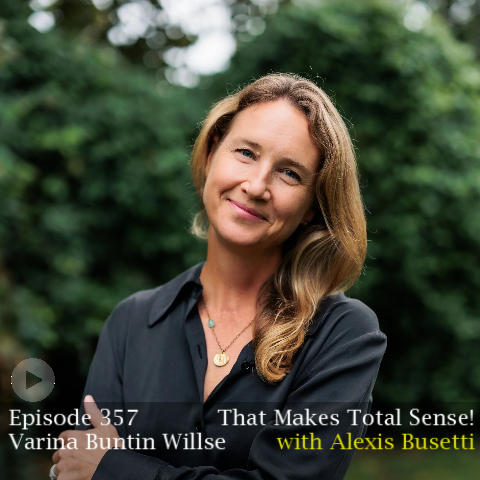
[00:02:28] Speaker A: Oh, thank you. The book that we're talking about with my guest today, Varina Bunton Wilsey is.
Oh my goodness. Beneath and between and Other Overlooked Words that Illuminate God.
Gosh, I almost don't know where to start. But I think I want to start with the whole premise of the book, which is prepositions.
And now I'm going to out myself. I'm going to say there's some things when they say everything you need to know, you learned in kindergarten are some of these things.
[00:03:09] Speaker B: Right.
[00:03:09] Speaker A: I'm like, for us right now, I feel like that's especially true. Be kind and keep your hands to yourself. But I'm like, I'm still living off probably my fourth grade definition of preposition. So I'm gonna run it past you.
[00:03:23] Speaker B: Yeah.
[00:03:23] Speaker A: Cause I know you taught English.
[00:03:25] Speaker B: That's probably about when we learn it. That's what I would have said.
[00:03:28] Speaker A: So. So I feel like it was about fourth grade and it was something like this.
A preposition is anything a cat can do.
So, you know, a cat can go over or be above or be underneath or inside or, you know, and so I'm. So it's like a cat in a box. Yes. Kind of like a cube, you know, like a hollow box. And so I'm kind of picturing this. Like, I'm sure it's a figment of my imagination now, but I feel like there was a poster, you know, in my fourth grade classroom.
[00:04:01] Speaker B: Laminated, no doubt.
[00:04:02] Speaker A: No doubt laminated, Right. With like this kind of like clear.
[00:04:06] Speaker B: Ish.
[00:04:07] Speaker A: Probably like red acrylic cube. And then there's this like little gray and black and white kitten who is doing all of these things, interacting with this box in various ways. And so I know there's more to prepositions than that, but this is the image that I had in my mind. And honestly, it came up a few times when I was reading your book. So tell me the real definition of preposition.
[00:04:31] Speaker B: Yeah, no, I mean, I think that's the only definition that really we need to know. So, yeah, it's sort of. There's the box, and it's kind of any way that one can relate to.
To the box or really anything. They are words that dictate relationality. So there's about 150 of them in the English language. There are some that are, you know, obviously just single words, and then there are some that are double words.
But yeah, over.
[00:04:58] Speaker A: Okay, give us a. Give us an example of a double word. Oh, prepositional phrase. Oh my gosh. Verena is coming back to me. Right? This is what we call them.
[00:05:06] Speaker B: And then the prepositional phrase has like.
[00:05:08] Speaker A: Oh, no, I'm wrong again.
[00:05:09] Speaker B: You know, has its object. Right, right.
[00:05:11] Speaker A: Okay. That's a phrase.
Oh my gosh.
[00:05:15] Speaker B: You're going to ask me for a double word and now I'm going to totally draw a blank on it.
[00:05:20] Speaker A: That's all right. I was just curious because 150 is a lot.
[00:05:23] Speaker B: Yeah, it is a lot. And at one point I wanted to have the whole list in the back which got vetoed. And that makes sense. Like, we don't need the whole list of 150.
There are 15 that I focus on in the book, though. I mean, there are certainly more that you could bring into this.
Into this conversation and into this sort of way of thinking.
And maybe that's even an interesting question at some point. Like, which ones, you know, could have been in there but aren't. But, yeah, they are. They are the words that dictate relationality.
Pretty simple. Very little. Usually very little. And as the subtitle says, overlooked.
[00:06:06] Speaker A: Overlooked. But they make a big difference, you know, Such a big difference. I'm like, if my cat, I don't have a cat. But if my cat, I do have a naughty beagle. So sometimes my naughty beagle is not being naughty, and she's just laying under the table.
This is real.
[00:06:25] Speaker B: On top of. Is a totally different situation.
[00:06:27] Speaker A: Sometimes she's on the table.
Last night, in fact, I heard one of my kids say, delilah, get off the table. You know, because Delilah was on the table. She was looking for crumbs after dinner.
[00:06:38] Speaker B: These.
[00:06:39] Speaker A: The rest of the sentence is entirely the same. But Delilah is under the table versus Delilah is on the table. Table are two very different relations to the table for Delilah.
[00:06:50] Speaker B: And that, I think, is. Is exactly why this proved so revelatory, right? Because the subtlest shift really changes the whole scenario dramatically.
And then the more you sort of start paying attention to them and thinking about the myriad truths in the different prepositions, like, this composite picture emerges that is like all these. All these different relationalities at one time, and it's so dynamic and electric, and I'm probably getting them ahead of myself. But yes, yes, one little word can make a really big difference once you start. Especially once you start kind of paying attention to them.
[00:07:36] Speaker A: Well, I mean, getting ahead of yourself. I don't know, we're gonna go who knows how many places today. But I do. I do want to ask you this.
I told you before, like, I had to, like, stop reading your book when I first started it, because I was like, I could just sit down and finish this whole thing today. But part of what was so intriguing for me about it was when you talk about some of your experiences, specifically, like, in the church and sometimes, like, in service.
And so I just wanna bring up, like, there are a lot of times, and I would say this is how one of the ways that I was kind of discipled growing up. And I don't think it's a bad thing.
But, for example, it's you know, like this act. And I think it's good to be clear. I think it's good. But this act of, like, naming God, like naming God, naming God's names, naming God's roles, naming these kind of, you point out, like, a lot of them are these nouns about God or that describe God.
And those are good.
And I think, and I want you to share your part of the story. I would say my brief thing there is that sometimes when you're talking about this relationality of prepositions, I miss the relational part of it. Even though some of those nouns or roles are relationship. Easy one is father. Right. But it's like, gosh. But sometimes there feels like a lot of distance or a lot of space between me sitting in my chair or going through my crisis or feeling lonely or feeling nothing, and then naming God as whatever it is, whatever God name is at that moment to me.
And even If I named 15 names, the relational part, somehow for me can feel missing. Like, it feels like I just can't quite get a handle on it. And I heard some similar experiences, maybe from you, when I read, especially the opening of your book. And so I'm wondering if you can talk about, like, what were some of those things? When did it feel like that for you? I don't want to describe it, but, I mean, how I read it, it was like sometimes it felt flat, maybe it felt empty, or maybe it felt like what's missing in those things I had in my notes. Nouns are too static.
[00:10:20] Speaker B: Mm. Yeah. Yeah.
So I, I lay out in the introduction, sort of the.
I hit my early 40s, and I was undergoing this kind of spiritual transformation, reckoning just this, you know, this sort of midlife, what we kind of call crisis. It's not a crisis at all. I, I, I say it's the soul just doing the good work of souling. Like, you know, you, you do. You sort of, as you evolve, you, you develop these new ears, hopefully, and, and your faith grows. And, And I, I was, I was almost, I was very active in my church. I grew up Episcopalian cradle Episcopalian, as we like to say.
I, you know, brought my, I have three daughters. We brought them to the pew every Sunday. I was elector. I stood in red. I was on the vestry, which is like our board of trustees. I was a junior warden, goodness sakes. You know, Like, I was this leader in the church, and it felt really right. And I love this church. In fact, it's Christchurch Cathedral, which is in downtown Nashville, where I grew up going.
Generations of my Family have worshiped there. And so there's this.
This very beautiful tradition that I loved.
At the same time, I was.
I was chafing against some sort of skins, and I didn't know what it was, but. And I talk about this specifically in the beneath chapter, but I.
I was undergoing. I was spending a lot of time in meditation. I was very purposefully going down to a lower floor of our home and.
And sort of meditating and reading a lot of kind of, you know, our contemporary prophets, Richard Rohr and. And Mary Oliver poetry. But I just. I was in this sort of process of what I call deep welling and those.
I felt a little bit like I was. And, you know, I'm burning Palo Santo, I'm clearing my chakras, and I'm a little bit like, does. You know, I'm junior warden over here, but I'm sort of like, you know, who witchy woman to my kids like, is. Are these misaligned?
I don't think they are, but some people would think they are. Certainly throughout the scope of Christian history, people would say that they were. And. And women, you know, were killed for that kind of behavior.
And so I. I kind of felt like I was keeping secrets.
And. And what I was really feeling was that in my deepest encounters with God, the way that I felt God's presence was not effectively being articulated by the language that I was reciting on Sundays. And let me say that that was very heartbreaking because I love that liturgy.
And, I mean, I can remember as a little girl, like, the poetry of it and the power of it. And I might go to a Presbyterian church, which I think sort of more extemporaneous churches do have their benefit. We Episcopalians can be sort of very hierarchical and structured. But I was like, what? You can just say anything you want.
There was such beauty in the poetry and in the familiarity of it.
But then all of a sudden, Alexis, I just was sitting in those pews, and I was like the. Like the Nicene Creed. Like the. The nouns.
I just.
The yes, Father, which does suggest a relationality. But God the Father, God the Father, you know, Lord, King, all these nouns. I just honestly was like, oh, I can't even say that out loud anymore.
That is not.
That is not articulating the God that I am experiencing in this really
[00:14:37] Speaker A: alive,
[00:14:38] Speaker B: way outside of this hour in. In. In Sunday church. And so, you know, and then there was the moment during COVID and I talk about this in the book where.
Oh, goodness. I was like, we're gonna keep going to Church, you know, on Zoom. And so I would gather everybody around plates of pancakes, and we would push, you know, play and.
And there would be our priest preaching to an empty nave, as I'm sure a lot of listeners had this experience and, you know, just really trying to hang on and. And have that sense of continuity.
But this had already been welling up inside me. And I push pause, which you can do right, when you're on Zoom in the middle of church.
I pushed pause and I looked at my three young daughters and I said, hey, y' all know that God isn't a man, don't you?
And they said, what? What do you mean? What do you mean God isn't a man? And I just was so sad and angry and sort of.
Confounded, right? Like, here I was, this woman. I'm like, going down into these depths and experiencing this very, very alive and present and multi dimensional, multi relational God.
And yet, you know, my kids didn't know that he wasn't a man. Like a man, a person, a noun, right? And it was the noun part as much as anything that I just was like, oh, I've got to have new language.
[00:16:25] Speaker A: We.
[00:16:26] Speaker B: And I'm not the only one, right?
And I think that's a moment where people leave church and.
And I think it's because sometimes the language is missing. And so that is how I really started to seek and then tune into and then find everywhere a fresh language. And it was in the form of prepositions, which, of course are the words that dictate relationality, whereas nouns sort of fix something as a person, a place, or a thing. It is a. It is in a box. Like, it is that, right? And propositions are alive and moving and dynamic. And so for me, they really.
It was just such a yes. And then the more I. And the more I tuned into them, they were everywhere. It was like.
It was comical almost. You know, they.
[00:17:26] Speaker A: They're everywhere. And I will even say, like, when I got to the around chapter, when. When you're like, yeah, but. But isn't this like, like throughout? And I was like, emphatically. I'm like, no, of course.
[00:17:44] Speaker B: Like, right, no.
[00:17:45] Speaker A: Like, how dare you? Like, why would you say that? It's totally not, you know, But I'm like. But I'm like, because it worked, you know, like, you. You helped me throughout that. So that by the time I got you around, I was like, brina, it's very different. Like, listen to your kid, you know, like, these are. These are very different prepositions. But. But Anyway, because of the activity of the cat also, like on the table can look, even look like so many different things. You know, is Delilah walking around on the table or is she sleeping on the table? Hopefully she's not on the table right now, but she's downstairs. I don't know.
But no, I do love that.
I do want to. Before we move on to getting really kind of digging into some of these prepositions, there's another place that I want to hit, which again felt really meaningful to me at the beginning. And maybe I'll use an example I thought of while I was getting ready for this interview this morning.
You describe yourself and this text as kind of outside art, or you as an outside artist, meaning you throw it out at the very beginning.
You don't have formal theological training.
And I love, I love that I do happen to have formal theological training. And I love reading people who also have formal theological training and I love reading people who don't.
And I will say this.
I was thinking about my son. I haven't asked him because he had already gone for school by the time I thought of this this morning. But I'll ask him and if he says no, then I'll cut this.
So, Seth, if he says no, I'll cut this. But he's a really gifted musician and he's been playing for a while.
He got to play in church on Youth Sunday, this past Sunday he played the operatory. It was very beautiful and people really enjoyed it and loved it. We had a whole youth led service and it was so great.
And the other day he called me up because he composed a piece on piano and he's been composing like music. I don't even know how to describe it, right? With the help of software, like, so this kind of music for a while, but this piece he composed on the piano.
And I looked at him and I said, that's not true.
I was like, show me the. I want to see the piece. I want to hear the piece. I want to know where this comes from, you know, because I thought. I mean, I didn't really, but I kind of thought he was driving me because it was so good.
Like, it was just so good. I looked at my husband and I was like, he wrote that, you know? And he's like, yeah, he's a talented kid. You know, I say kid, he's in eighth grade. And he's like, yeah, he's a talented kid.
But this talented kid is not a classically trained pianist, right? He's had like two years of piano in school, like in a classroom setting, but was playing before that and playing since then. That's it. Like, this is not the kid who we've, you know, put him in front of a piano when he was five and has been, you know, had lessons every week from a class. Like, this is not him.
And the sounds that came out of that instrument were so touching and so beautiful that I'm like, yes, because he's a composer, you know, whether he's classically trained or not, some people might say what he's producing is outsider art. And I say, well, good for him. You know, good for him.
Because there. There are some things that we learn from being, you know, classically trained. And there are just some things, honestly, that the classically training takes out of us.
And we need both. You know, we need it all, and we need. And we need both.
And so I'd love for you to talk about your writing this kind of. With that in your head, you know, that this is coming from someone who isn't trained in that way.
But also, thank you for doing it. And then, like, what. What kept you going in that space?
Yeah.
[00:22:09] Speaker B: So there. First of all, thank you for sharing that story about your son. Oh, I can just imagine your. How your heart was swelling. Oh, my God. Like, our kids are so amazing, aren't they?
[00:22:20] Speaker A: So amazing.
[00:22:22] Speaker B: Maddening and just such triumphs. Right? So there's two things that come to mind when you bring. When you bring that up. And one, this is not in the book, and maybe. Maybe it'll appear somewhere later, but I was, like, brushing my teeth. I don't know. This is now maybe, I don't know, eight years ago, maybe not that long.
My husband's there, and I'm like, hey, hon, I think I know what I want to be when I grow up. And he's like, okay, you know, not at all surprised by this kind of comment. And I'm like a Christian mystic. And he was like, okay, sounds good, honey. And. And I was like, you know, I. I. And I meant it even though I wasn't even, you know, this was like, now that word we hear a lot. It was sort of before it became quite as prev. As it is now. But I remember I went to that just a couple days later. I attended this retreat on Perennial Wisdom that was led by Rami Shapiro and Gordon Pearman up at St. Mary's at Suwannee. And I was sort of jokingly said that in the introduction, you know, like, my name is Marina, and I want to be a Christian mystic. When I grow up. And it was obviously a joke. And Rabbi Shapiro was like, yeah, if anything, we unbecome them, right? We were mystics and we just, we, we've unbecome them. And that is kind of what you're talking about with your son, right? And so, yeah, I think we are all hardwired to be mystics, meaning just experiencing God, right? That, that is, that is our birthright.
We are all mystics and, and likewise.
And you, and you kind of said this when we were talking just the very beginning. Theologians, right? Like we can all experience God and we can also all think about God in fresh ways.
I did question my own authority often as I was writing this. Like, by what authority would I write this? You know, by what authority do I have to say anything? Like, I haven't been to divinity school. I wasn't even a religion major, you know, like.
And I think this question of spiritual authority and really authority in general is a very important one.
Obviously that word author is in there and we, we alongside God, there's a preposition for you, you know, are authoring our own lives. And we do have, we do have agency there. And it's important.
And so I think there's, there is, there is an invitation for everyone to, to think about God and experience God by their own authority while also listening to and learning from traditions their own. And others questioning and doubt, I think are an integral part of faith and growth.
But so that question of authority, you know, was really kind of top of mind and I kind of was always sort of, I was writing it and wondering if it was okay.
And I found this answer in an unexpected place. And this I do talk about in the introduction, which was on the wall of my parents home. My mother became interested in outsider art, which is art by untrained artists.
They've never received any formal art education. And yet they create and they create beautiful works and works that sell and works that sell high $. And they are very much.
And there are galleries with their art and, and all the things and, and I sort of saw them with fresh eyes and was like, oh yeah, outsider art, it's not any less art. It just comes from sort of outside that formal training. And maybe that's what I am. Maybe I'm just an outsider theologian.
And I do think that there is a perspective you gain from being on the edge or on the outside that you don't have when you're right smack dab in the middle.
And so in some ways, you know, I don't think I could have written this book if, you know, it's hard to say that kind of thing, but. But very much sort of not having had formal training, just being like your average lay seeker. You know, I come to the. Come to this material, this sort of inquiry about God from the same place as our listeners, right from the pews, not the pulpit or the meditation cushion or the woods, as it were for me, a lot of the time.
And that was.
That was very. That's very important to the work. And it's just the reality of what I bring to it. And so I'm not an expert on Christianity or any other religions. And I. And I definitely don't presume to be.
This is my seeking and finding that I share with others, that it. That if it. If it touches something in your seeking and finding. Beautiful.
[00:27:57] Speaker A: You know, I, I appreciate that so much. And I, I've. I've said this before, but I think I appreciate that more and more the older I get.
One example that comes to my mind often, because I live with him is.
My husband is a trained research scientist. He has a PhD and this is what he does for work. And one of my.
The papers I wrote in my M. Div. Was in a class on science and Christianity.
And at the end of this final paper, I just kind of looked at him and I was like, we have been and are being trained to think in very different ways.
Because this paper was kind of like, about this issue where a scientist and a theologian, kind of representing two different schools of thought, came to a very similar conclusion. But how they got there was like two totally different.
And the conclusion was similar. Not the same, but similar.
And even if it wasn't similar, what I gained from that experience is kind of a catalyst. And then it's always kind of in the back of my mind is, what can I learn from someone who just thinks about the world differently, who's had different experiences? When I read your book, one of the things I used to joke about when I was, like, in high school and college is I would say I haven't read anything that you're supposed to have read if you are learned.
[00:29:37] Speaker B: Like, I haven't read any of the books.
[00:29:39] Speaker A: Like, like none of them. And I'm like, But Varina has.
She's bringing those, you know, bringing those to me in a way that I just, like, I don't have time for that. And I didn't. I didn't do it then.
But I get that from you as an, as a former English teacher, you know, like someone who interacts with these texts in ways that even had I interacted with most, and most of them I have not. But even if I had interacted with them, my interaction would just look totally different. Especially some of these texts that I was like. I mean, they may have been assigned to me in high school and college.
[00:30:17] Speaker B: Are you talking about when I, like, dork out about the transcendental eyeball?
[00:30:21] Speaker A: I mean, there was a little bit in there. I feel like there was some Moby Dick to where I was like, I just don't even remember.
But I trust you.
I trust you. I know. I know. The conversation doesn't have to end. We can, like.
[00:30:34] Speaker B: That is so funny. I forgot that I even mentioned movie.
[00:30:38] Speaker A: I think I did.
[00:30:39] Speaker B: Chapter. I did.
[00:30:40] Speaker A: I think you did, but I'm like, I just. I'm not there, but it's beautiful to me. But also, you know, when I look at people with all different kinds of, you know, vocations or, you know, like. Like how a nurse experiences God and his or her, like, daily vocational life, you know, is way different than me. But if I'm like, am in the presence of someone to, like, share that with me, oh, my goodness, like, how, like, that just makes my experience of God so much richer when I can be privy, you know, to any of those kinds of. Of those kinds of interactions. And so I just thought it was awesome. And I felt the English teacher in the book. I felt the love. I felt the lover of literature, really, in this book, which was so meaningful for me.
[00:31:36] Speaker B: Also,
[00:31:41] Speaker A: one of the ways in which that was meaningful, let me name it, is the connective tissue.
So in. I always get this wrong. Epigraphs. In your epigraphs, often they were a scripture or a quote from a theologian that we might recognize, and
[00:32:04] Speaker B: a quote
[00:32:04] Speaker A: from either a secular text or another religious sacred text or a quote from another, a leader from another religion.
That was that they were connected. You could hear the same, you know, the same spirit behind these words. And you being able to bring that out to me, make those connections for me, help me see those connections, felt really meaningful. It also felt like the stuff that we're looking at with God is universal and spacious.
[00:32:47] Speaker B: Yes.
[00:32:47] Speaker A: Yes.
[00:32:47] Speaker B: Yes. Yes, it was. Yes. So there are 15 chapters, each with a preposition that in some way illuminates the nature and behavior of God. So you've got around, beneath, near, with, alongside, among, for on we go. And so for each of those, yes. I include a piece of scripture that has that preposition in it. Or I think maybe there was one where it was just, it was sort of inherent in the, in the meaning of the passage. And then also, yes, include a quote from some other holy text or tradition for the most part that, that, that does align and speak the same thing. And, and that is, was really important to me. This, you know, there's sort of the.
Is this a Christian book? Actually had a friend ask me that because she, she was trying to talk to, you know, her, some of her friends, her college friends about it and, and one of them is Jewish. And she was like, well, is this, is this something she would like? You know, like how Christian is it? And it's such a good question and I might be too close to it that I don't even know. But I will say that like it is certainly not out to convert anyone to Christianity.
It is all about helping people connect with God.
And you know, I also say this in the introduction, like I wasn't sure that I was even a quote unquote, real Christian anymore when I started writing it. And I don't even know what that means.
But for me the process of writing it helped me realize that like I personally can't know anything about God without the Christian tradition that I grew up in. And very much for me that the triune God, which is multi relational in itself.
[00:35:00] Speaker A: Right.
[00:35:01] Speaker B: That God is, you know, Father, Son and Holy Spirit. If you want to use nouns, Father Richard Rohr actually uses prepositions. And I was already writing this book when I saw him do that in one of his newsletters and was like, ah, I'm kind of so excited and also terrified that you're saying the same thing. I am.
But that, that, that relationality is right there in, in the, in that God, in the Christian God. And so I, for that reason, yes, the essence of this is, is very true to me and that's sort of what I most write from.
But what is beautiful is that I, I don't think it's, you know, it is certainly not.
I would put this in quotes also. Only the Christian God that is this multi relational and dynamic and electric like this is the divine. This is just what is.
So yeah, to the extent that I, that I could and was able to find them when those prepositions were showing up in other traditions and texts, I included them. And that was really important and I think is really important for us to know.
It's so affirming.
[00:36:22] Speaker A: It is, it is.
[00:36:23] Speaker B: Hopefully the book is just in general really affirming.
[00:36:29] Speaker A: I experienced it that way. Yeah. Oh my gosh, for sure.
Let's get into some of them.
[00:36:34] Speaker B: Okay.
[00:36:38] Speaker A: I kind of want to start with Beneath.
[00:36:42] Speaker B: Okay.
[00:36:43] Speaker A: Because so chapter one is above, chapter two is beneath.
And
[00:36:53] Speaker B: it was.
[00:36:54] Speaker A: I think, because above was definitely more familiar for me, probably for many readers.
[00:36:59] Speaker B: Right.
[00:36:59] Speaker A: Above feels like this is. Yeah, this is kind of like, kind
[00:37:04] Speaker B: of the default locale. Right. Like God's above. Yeah, that was very hard to write, because in some ways, I'm like, there's not really. You know, I'm sort of just holding a mirror to what you've heard already.
[00:37:15] Speaker A: To what you've heard. Right.
But God is beneath. I was like, okay. It's one of those things where this has actually come up for me a couple of times in the last month or so, specifically the root analogy. But I will start. I just wrote some of these notes here.
Bedrock, the roots of trees, and the. And the trees. I think there was a quote in there about trees talking about humans. We see them as amputated because we only see the top parts of them, but beneath being in and of the Earth. So we live in Austin now, and the house that we live in is.
Has a limestone. Like, it's like three sides of it are limestone. And that was kind of what I was hoping for because it's very local, and I love the look of limestone.
And we have limestone quarries just down the street from the house.
And driving past them is one of my favorite things, because you can see beneath, like, you can see the underneath.
And when I wrote in and of the Earth, I am like, I'm not in any kind of way an Earth scientist, but I'm married to one.
And so, you know, things rub off, right? Like, yeah, things rub off after two decades of. Of marriage. And my husband is a geologist, and part of that, like, especially the places where you can see the rock and the earth without having to go down. He doesn't generally go down into caves, but he has colleagues and friends who do.
But a lot of times you can see, like, outcrops when we're driving, and they're fascinating and beautiful and wonderful because we can kind of see these places that we don't normally get to see. And so that's when all the questions come out from me and the kids. Well, dad, what's that?
[00:39:29] Speaker B: What's that kind of.
[00:39:30] Speaker A: You know.
And he has jokingly said to me before, a bad day in the field is better than a good day in the office.
[00:39:42] Speaker B: Yeah.
[00:39:42] Speaker A: Because you just kind of get to be among. You know that.
And so the beneath chapter, for me felt very upside down, but it Also felt grounding. I think maybe the last thing I'll say is, like, I love the. And I don't do it enough by myself. I know you want to be a Christian mystic when you grow up, and I usually say, like, I'm not a contemplative, but I have a lot of contemplative friends.
[00:40:13] Speaker B: Yeah.
[00:40:14] Speaker A: And so I lean on them heavily, you know, in some of these moments, like, remind me what practices I should be doing. But.
But one of them is, like, even right now, as I'm feeling like I can put the ground beneath my feet, and that is a practice that when I do it, something really shifts in me, but I just don't do it as often as I should.
But the Beneath chapter for me felt so meaningful and so incredibly upside down.
[00:40:46] Speaker B: You know, I love that you brought that one up, and it made its way into the title kind of unbeknownst to me. And that's like a whole sort of separate story, but it's the longest, I think. And I felt like I was. At one point, I was like, I think I could just do the whole book on Beneath. There's so much there, you know, above even, you know, when you think about it is just. It's up in the clouds. It's far away. It's also in our heads. It's very.
It's just. Yeah, it's very up here. And the second you.
You sort of conceive of God beneath you, just. You sink right down into your body and you feel it. Right. Like you.
Your. My body. Even saying those words right now tingles. It resonates. It's like, oh, it's so. It is so grounding.
And when I started to think about God beneath and then looking. You know, these metaphors are throughout scripture. Obviously, you know, we have Jesus as the cornerstone, but there's the. You know, my God is my rock. Like, you know, and obviously, like, the vines and the abiding, but there's all those roots and the. The underground rivers and the wellsprings, you know, like, oh, my goodness. Once I. Once I started paying attention that. That metaphorical language is. Is used repeatedly.
[00:42:18] Speaker A: And.
[00:42:19] Speaker B: And so, yes, I. I just. I kept unearthing, no pun intended, like, more and more of these. And even thinking about, like, the sort of churning core of the earth and the way that. That creates these magnetic fields that, like, even the tiniest creatures use to travel miles and miles home. Like, yes. Right.
I really love to be outside. I grew up out in the country in middle Tennessee and. And spent a lot of time roaming the fields and.
And the. In the creek beds. And I still. That's just where I'm happiest. And so that, yeah, all of it was just all these.
All these elements of nature that I.
That I love to experience when I go outside. I also now love to experience as God.
And, you know, and then, of course, I dawned on me that, you know, there's a lot of, you know, Roman and Greek God gods and goddesses that are underworld gods, and that. That is a very common notion in.
In those myths. And, like, whoa, you know, how did that get so lost?
And so that was also interesting to mine, and I mentioned before that sort of period of deep welling. Well, our home is on a hillside, and it's got three stories, so it's very. It's a very vertical. It's very thin and vertical. And I, like, even right now, my office is on the top floor. I am eye level with the treetops. Very, very airy up here. And down on the bottom floor, my oldest daughters have their rooms. And there's, you know, like, there was an old. Our washer and dryer down there. And behind, underneath the stairs, was this old utility room that was sort of cement block and cement floors. Nothing much down there. Mousetraps.
And I just. I really felt like the whole energy flow of the home and inside me was, like, stunted. Halfway. I was so in my head and in the air, and I really needed to, like, get down.
I needed to get down deeper, literally and spiritually. And so I turned that utility room into a meditation room.
In doing so, I found a snake skin down there one day, which did strike me as, like, terrifying and very prophetic.
And. And so I. A lot of the time I was writing this, I was going down onto the ground floor of our home and sitting and. And going, like, ever and ever deeper.
And so that beneath quality was really integral to this work and to the kind of understanding that I was coming to.
And I think I tend to overcomplicate things. My husband would say that for sure,
[00:45:37] Speaker A: but you're in good company.
[00:45:40] Speaker B: But there are 15 propositions, and they're a pretty simple map to follow. Like, at any given moment, just, Just, just. Oh, God, beneath. Yeah, okay, I'm just gonna. I'm. I'm literally just gonna stand on that for this half second, and it can shift my whole energy, my whole perspective.
Likewise with, you know, with some of the others between, which was also in the title. Same. Like, I'm starting to feel irritated.
[00:46:11] Speaker A: I'm.
[00:46:11] Speaker B: I'm Judging the person in front of me and the deli line. And I'm like, ooh, could I just. Could I just ask God to inhabit the space between? And it's like, oh, just radical shift. Really simple.
And so I think in some ways that's what these prepositions do. They just.
You can ask for them. You know, there. There are prayers throughout the book. You can sort of ask for them if you need them, or they sort of present themselves as kind of obvious to you at any given time. There's just a lot of ways to engage with them. But I just hope they. They help us think about God in fresh ways and then really experience God in fresh ways. And beneath was certainly one of those for me that.
[00:46:56] Speaker A: Oh, my gosh, there's Varina. There's so many. I want to pick a couple of more.
[00:47:01] Speaker B: Okay.
[00:47:01] Speaker A: I want to pick a couple more of them.
I want to hold between.
That was one. That was one for me, but I.
I want to go to Gosh. Okay. Okay.
[00:47:15] Speaker B: Oh, I'm so excited. Which one you're going to pick?
[00:47:16] Speaker A: Okay, okay, okay. I know. I'm like, okay, which one?
[00:47:18] Speaker B: Which one?
[00:47:18] Speaker A: Which one?
Maybe we can do a pair. Okay, maybe do a pair.
Because I'm looking at my notes for width and alongside and oh, gosh, the width one is going to make me teary just looking at my notes.
The. With you. You name a couple of things and I'll just. I'll just put what. What stood out to me in that. In that chapter. And it was great to follow it with. Alongside, by the way.
But this with God is relationality. You say God.
[00:47:56] Speaker B: God is.
[00:47:57] Speaker A: But God is also with. But you. You name. And I'm so grateful that you do that. Sometimes God with Feels like a cruel joke.
[00:48:08] Speaker B: Yeah.
[00:48:09] Speaker A: Like it feels like this cosmic joke.
[00:48:13] Speaker B: And.
[00:48:14] Speaker A: And I think it's how you end that chapter maybe. But there's a point in that chapter you kind of. Maybe kind of book into that chapter.
You talk about the. The being exiled from Eden and.
And I just put in my notes, exiles of Eden, but companions with Christ, which I think is. Is kind of how you. How you end that. But gosh, this, like, I feel like sometimes it's kind of that it can be kind of this, like, trite. Oh, but God is with you, you know? And you're like, sometimes you just want to say shove off. You know, like, you have no idea. Like, God does not feel with right now.
God feels far.
You know, it made me think of the Grover. Near far. You know, it's Like, God feels far. God feels like really far.
But this, like, idea that God is always with. Yeah, it does sometimes feel like this cruel joke. Like, why would you say that?
And yet, you know, there's all of this.
There's all this. There's all this evidence, all this language. So. So I think what struck me is I think that sometimes in that cosmic joke, it really can feel more like these exilic times.
But Christ companions with us.
So I think the with and the alongside, as you, you know, talk about them being different, maybe we'll talk about with first. But there are a couple of points I really want to hit in alongside that kind of emphasized the with for me. How about that?
[00:50:01] Speaker B: Yeah, you know, the with is one that I think gets talked about, right?
[00:50:06] Speaker A: Oh, for sure.
[00:50:07] Speaker B: You know, I remember sitting in church one day, and our priest, Madeline Ribouche, who's incredible, was starting a sermon, and she was like, oh, you know, my. My other priestly friends and I like to have these sort of nerdy conversations. Like, we like to talk about, you know, which disciple we would like to have dinner with or blah, blah, blah. And, like, which word is the most important. You know, we talk about which word. What word is the most important in the Bible. And I'm, like, sitting in the pew and I'm like, I know that she's getting ready to say with, Like, I feel it in my entire body, and I'm mouthing over the heads of our children to my husband. Like, she's getting ready to say with.
[00:50:50] Speaker A: And he's like, why?
[00:50:51] Speaker B: You know, with, you know, like, I just know it. Sure enough, she does, you know, and. And it's because Emmanuel is God with. That's so integral to.
To the Christian faith.
[00:51:08] Speaker A: Right?
[00:51:09] Speaker B: Like, that is what that means.
And that is, yes, as you said, like, the. The. The God that is more things at one is many things at one time has to sort of have a with component to it. Right.
But it. That is. It was a little bit tricky because it's talked about a lot. Like, you know, yes, it does kind of feel sort of pithy. And it's like, what. You know, what can I bring to this chapter that feels.
Feels fresh and some of it is just that honesty that you're talking about. And, you know, as I was writing this book, the school shooting happened at Covenant. Talk about gang theory. And that is not far from where I live and very not far at all from where my own children sat in school. And it was, you know, as.
Right, they're just. They're Just not any words. And Timothy Kimbrough, who's our dean and rector at the time, is a very dear friend and wise soul. And he sent out a prayer, and it.
And it did offer solace in the time of great grief. And I didn't. You know, I wasn't close reading the prayer at the time. I just was absorbing it and trying to breathe. And much later, I was thinking about it and looking again at that prayer, and I noticed that the word with was in every single sentence in that prayer.
And I thought back to a time when I had been very young and was on a plane that had. And I was. I was alone. I was maybe, I don't know, late teenager alone on a. On a long flight. And there was a lot of turbulence, and I happened to be in the restroom at the time, so I could see myself in the mirror being sort of thrown about.
And I just remember praying. And the word that I remember praying was with.
And so there is something about that word. Word, that notion that, like, when everything is so.
So agonizing, that's.
That is a stronghold. And, you know, when you do look at scripture and it says, like, the word near also God drawing near to the brokenhearted, it's like when you feel like it's a cruel joke, that is when God is with you the most, like, you will not be forsaken.
And so that, I think is. Is. Is part of that with chapter is acknowledging, like, when it really doesn't feel like that.
And the alongside chapter is really just sort of with, but on a journey. Right? Like, it's. It's the. It is the. It is the movement.
You know, you can sort of be with somebody one second but not the next. And alongside doesn't work that way and beside doesn't either, you know, so that's why I chose alongside. It does give that sense of companionship ongoing.
And there were some other kind of, you know, analogies in that one. But.
But, yeah, that. That's.
I just. Yes, that is what I think these prepositions and that one can offer. There's great comfort.
[00:55:00] Speaker A: There's one of the analogies. And alongside that I want to bring up because it was just really beautiful.
God as midwife, I. Wait, I was gonna say this pre record, and I didn't. So I'm say it now. We also have twin girls. Oh, yeah, I know. So much fun.
[00:55:23] Speaker B: I just.
[00:55:26] Speaker A: Twin moms meet each other's like, oh, my goodness. Like, there's like, so much there. And I'm like, I can't believe I didn't lead with that. We also have twin girls.
Ours are 16.
[00:55:35] Speaker B: Okay. Mine are 17. See there?
[00:55:36] Speaker A: Yeah. I knew. I figured from the writing, though. I was like, we're real close on this. And then we have two more after that, but they're not twins and they're boys. So, you know, so that looks different.
But the. So I have. We have. One of our youngest is adopted. And so I've had two pregnancies, given birth, you know, twice, but to three babies, which is weird, but you know that because you're a twin mom too.
But God as midwife. And then the, and then the note, because I think it was connected in the text as well, is.
Is not just rescuer.
And, you know, the image, you know, that I got in my head is not that, like, a rescuer isn't an important person or role in life,
[00:56:27] Speaker B: but
[00:56:27] Speaker A: that in, like, socially, like, that relationship ends, a first responder comes in and does his or her job and continues to do his job in different settings with different people.
And for a midwife, of course, in real life, they have different patients and all of that, but God as midwife, like, that alongsideness.
Midwifery is gross.
[00:57:03] Speaker B: Yeah.
[00:57:04] Speaker A: I could never.
I mean, I'm like, yeah, it's. It's beautiful. And it's also like, yeah, super gross and hard. And, yeah, I mean, you're, you're in it, that alongsideness. But I don't know anyone who has given birth with the aid of a midwife who is like, yeah, that sucked. Like, everyone that I know, her experience has been like, I couldn't have done this without my midwife.
You know, like, there's something about that relationship, that alongsideness, that, that understanding, you know, like, I mean, like, your husband's helpful in a situation like that, but, like, has no clue, like, what, what it is that you're experiencing. And a midwife can, like, enter into that even though she's not, like, giving birth to.
[00:57:53] Speaker B: Yeah. So God is. My wife was just like, whoa. That was a metaphor. That came from Sue Monk Kidd, the Heart Waits, which is a beautiful book. I recommend it very highly.
And so I quote her on that. And I remember I. I knew. I remembered that line was certain that I had underlined or started and, and spent a whole lot of time. I wrote it and then I couldn't find it, but I was like, I know that it is in there.
And for some reason I hadn't underlined it, but I still remembered it.
And essentially, like, you know, just mined that book and found all sorts of other amazing things while doing so. Looking for that particular line, because it had struck me.
Yes. That. That. That along sighting for such excruciating and generative labor.
Right.
Which is also what life is.
Feels that. That.
That feels so illuminating and spot on.
And.
Yeah. I mean, because it's hard down here. It's hard in here. It's.
This is not easy. This. This. This living. And yet. And you know, it can feel like a very.
A lonely endeavor, and yet if we can hold on to that truth that the divine is ever and always alongside us, you know, midwifeing, yoke, fellowing, you know, journeying with us alongside us. Yeah. It's like. Okay, all right.
Yeah. Okay.
[00:59:49] Speaker A: Yeah, yeah.
Oh, gosh. Okay.
I'm gonna. I'm gonna. It's gonna be choose your own adventure. Did you ever read choose your own adventure?
[00:59:58] Speaker B: Yes, growing up. Yes, I did.
[01:00:00] Speaker A: Choose your own adventure. Barina. If you choose one, this one, then you'll go to page 74. If you choose this one, you'll go to page 83. No, I'm just kidding. I don't know what page, but there's so many more that I could really just spend all day on. But the. But the two that are kind of sticking out to me right now as I'm like, okay, I think we may only have time for one, so pick one around. Which I mentioned before, and also between.
Which I think I might have mentioned before, too.
[01:00:31] Speaker B: Yeah, between, like, really surprised me. I would say all that surprised me. And I kind of thought, oh, we might need to cut one of these. Probably it can be between.
And here it is in the title. Right.
[01:00:44] Speaker A: So don't cut between.
[01:00:46] Speaker B: So good.
I really thought. And I say this like, I really thought I knew it was going to end. This is not a spoiler. I knew that the last chapter would be beyond because of course, we're doomed to fail in this endeavor. Like, the words. These are fresh words and they do, I think, prove.
Prove. Really illuminating, but they are also words. And so they're going to fall short. It's not going to work. It's so beyond. Yes.
And around.
I had a sense was going to be the one that came right before it for how pervasive and enveloping it is. Both and.
And I just thought we were there. And then between. I was like, oh, wait, like when.
You know, it's not just like, between kind of came at me through the sort of. You know, when somebody shows you the image and some people see the vape. Most people see the Vase. But some people see the outline of two people kissing. And it just depends on if you're looking at positive space or negative space.
And so it's that simple shift in the eyes that you see between. You see the space between instead of the primary objects that are so much more commanding of your attention. And I was like, oh, yes, we also need to refocus and see the space between as inhabited by the divine. And what does that mean?
And wow. It's like, as I was writing, I'm like, it means a lot. It means, of course, the bridges that we build to. Towards others, those we love, and also those, you know, who feel more like enemies.
The. The sort of space that is actually connecting, not just separating.
So there is that understanding when you think about liminal space and sort of those times where you just feel between, like you're not. You were. You're not where you were, you're not where you're going.
That is a very ripe and sacred space, even though it's very uncomfortable to be in. And so God inhabiting that. And then I discovered, oh, yes, there's threshold deities that sort of guide people from this world into the next world. And there's that sort of.
There's this span, you know, that God inhabits these spans. And then of course, there's. The rainbow is sort of this mark of the covenant. And the covenant is between people. So all of a sudden I was just like this flurry of insights in that word.
And really it's about the connectivity.
And that is what the book is also very much about, is God's
[01:03:49] Speaker A: very
[01:03:49] Speaker B: alive, very dynamic connection with each of us, all of us. All that is like, that is why relational words help us really, really kind of conceptualize, imagine, like, spark our theological imaginations for. For that connection which is so pervasive.
And it's like. And I say this in the epilogue, but like, what this is, is an invitation just to activate that connection. Like, oh, oh, now that I know I can just.
I can. I can activate this. Right. It's already there. I just didn't have the right language for getting it.
And so that's what I think the opportunity is.
And beneath. I mean, between is certainly about the connection.
[01:04:53] Speaker A: Yeah, I think when you say the connection, I would say arguably there are. And maybe this. This kind of goes to what. To what you're saying. And as. As we. As we move into landing the plane, I'll give you another. Another shot at it after this, when I'm done, for you to kind of wrap up some of these things. But I think there are arguably other chapters in the book that were probably more invoked, more ideas of intimacy. But for me, that was the feeling I had when I was reading between is. This is so intimate.
Like, this feels like a very intimate concept. And maybe it's me where I am in my season right now, but I think, as you mentioned, like, to me, that's part of the beauty. It's like, oh, yeah, like maybe. Maybe we grew up in a place where it's like. Or we go to a place every
[01:05:51] Speaker B: week, we're like, oh, above.
[01:05:53] Speaker A: That's kind of the thing. So Beneath feels wild and, you know, powerful and special. Or, you know, you talk about that also with Within. This is something, you know, like a lot of traditions kind of focus on, you know, the within pieces. But then maybe through feels like it's, you know, something different, you know, for those folks or, you know, or different. The way they hit us in different seasons, in different times.
But this, when I read Between, I was like, why does this. It just felt. Yeah, it just felt so.
Intimate was the word that just like, kept coming to mind. It was almost like, wow, this feels. This feels like really.
Even though it's communal, it also felt like kind of really private and special and, you know, and that.
[01:06:43] Speaker B: I really love that. Well, I love the word intimate because I think that is very true of God's way of loving us. And yes, between is intimate because it's like closer even than another body.
[01:07:00] Speaker A: Right?
[01:07:00] Speaker B: Like weird. Yeah, yeah, yeah. So that. That makes sense to me.
Yes, I hadn't really thought about. I really. I hadn't thought about it that way, but. But I. I note it in the between chapter.
Sort of once someone has passed on that you loved and this.
This thread that God inhabits that space between you even.
Even as that person has passed over.
And that is very intimate.
You know, obviously, with someone you love. That is. That space between you is so sacred. It's just. It's just yours. Right. So that's also very intimate, you know, and I think the.
The betweenness among strangers.
[01:08:02] Speaker A: Right.
[01:08:02] Speaker B: Especially right now.
You know, we talk about how the divides and how, you know, and. And I think just simply reorienting how we view the space between us. Like in any. Any given us that there is any given moment in your life, like, if you can see that as a place of connection rather than as a divide like that can.
That can move mountains.
There is an intimacy like we are sharing breath, right? We are sharing time. And there is an intimacy we just usually Miss it or afraid of it?
[01:08:48] Speaker A: Yeah. Yeah.
Okay. Verena, again, choose your own adventure.
[01:08:54] Speaker B: Yeah.
[01:08:55] Speaker A: What is.
What's the question? I didn't ask where. Where we didn't get to go. Or. And. This can be an and.
[01:09:03] Speaker B: Or.
[01:09:03] Speaker A: You don't have to choose one adventure here.
They may meld together.
Or how would you encourage either other outsider theologians or insider theologians to think differently? Using some of these tools you've given us, namely prepositions, but to think differently about our relationship with God and God to us and to creation and God self and all the things.
[01:09:37] Speaker B: Yeah.
You know, when I.
I started drafting this as far back as 2000, January 2019. So very, very beginning of 2019.
Needless to say, a lot has changed for us in those seven years.
You know, when I started writing it, I was. I was so excited by these platforms that were.
That were giving us access to some other traditions.
Insight timers, when I use. But I was like, oh, wow, we're really coming into this age of spacious faith, right? And like, yeah, I can know something about Buddhism pretty readily. Like, I can. I can practice. You know, I can. I can practice in these different traditions and alongside my own. And it felt like this really, like, unique awakening that we hadn't had before because we didn't have access to it. And now this technology that also does the opposite backfires. Was. Was opening this to us, and I was. And sort of the mindfulness.
Mindfulness movement was part of that.
[01:10:57] Speaker A: And.
[01:11:00] Speaker B: And then Covid came, right, and we closed down. And now we live in a country. We live in a time and in a country where the narratives about faith, and particularly Christianity are.
They are loud and destructive and sometimes want to throw the baby out with the bath water. Right. Like, I am. Like, I. I don't know that I have the strength to advocate for something that has been so hijacked and so cruel.
And I'm so glad that I'd already written this and it's here for me to come back to. Like, no, no, no, no, no. That. That those narratives that are really, you know, this is not new in Christian history for narratives to be sort of hijacked for people seeking power. Those narratives, I. I can't let.
I can't let be certainly the only ones or the loudest. And so this is.
This is a counter narrative, a more ancient one, I believe, a more generative one, certainly, that is.
Gives a view of God that is expansive and enveloping, and it. It is tethered to Christianity. It is not limited to Christianity, but we.
Let's not fold.
Let's unfold.
[01:13:10] Speaker A: Yeah. Yeah.
Thank you so much.
[01:13:14] Speaker B: Yeah.
[01:13:15] Speaker A: Again, my guest today has been Verena Bunton Wilsey with her beautiful book Beneath, in between and other overlooked words that illuminate God. Verena, thank you so much for being with me today.
[01:13:31] Speaker B: Thank you so much for having me. It was just a delight.
[01:13:35] Speaker A: The links for all the resources mentioned in today's episode can be found in the show notes, music and podcast production by Seth Buscetti. Be sure to give us a review on itunes and subscribe at your favorite podcast listening app. You can also Visit us at ThatMakeStoreSENSE dot.
[01:13:56] Speaker B: Sam.