Episode Transcript
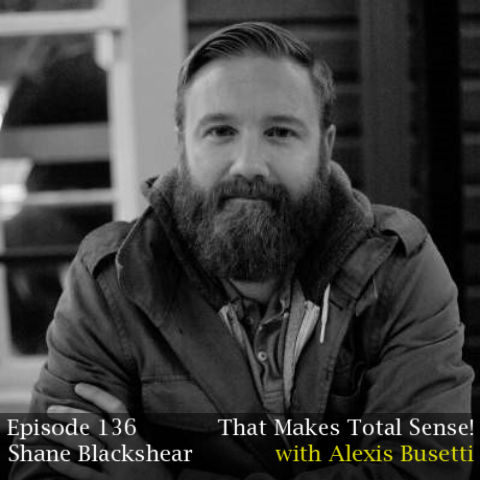
Speaker 0 00:00:07 Welcome to that. Makes total sense. A podcast dedicated to exploring God's generosity and justice. I'm Alexis. We setting the Christian aiming to ask good questions and encouraging you to do the same. Every one of us is wired by God to live out generosity and justice, but the house sometimes alludes us. That makes total sense is a way for us to get together, posture ourselves as learners and challenge one another to practice generosity and justice in a tangible way every day. Okay. So I feel like there's so many reasons I want to share why I'm excited about this interview right now, but we're just going to cut to the chase because I've already taken up so much of my guest's time, basically trying to have all the conversations I've ever wanted to have. Um, so right now I am on with fellow podcaster, Shane, this is like not even fair, you were a podcast or like you're having to explain to people what a podcast is. You still get to doing your podcasts. So this is like veteran podcasts or Shane black shear of seminary dropout podcast. And you have just come out with a great book called go and do nine axioms on peacemaking and transformation from the life of John Perkins. Hey Shane. Welcome.
Speaker 2 00:01:28 Hey Alexis. Thanks for having me. I'm so excited to be here.
Speaker 0 00:01:31 Oh my goodness. One of my favorite things, I don't get to do it very often, but one of my favorite things to do is talk to podcasters on the podcast. It's totally fun.
Speaker 2 00:01:40 Yeah, absolutely. Yeah, it is. It w you know, we're a different breed. What can we say?
Speaker 0 00:01:47 That's right. I don't know if that's good, bad or ugly, but
Speaker 2 00:01:49 Yeah, either way
Speaker 0 00:01:53 We are definitely a different breed. Um, and I want to say before we get going on this book, because I, I may get distracted with the conversation at some point and forget, but I will say if you're listening to this within the first week or so after it comes out, you'll have an opportunity to, um, get a giveaway copy of this book from, uh, from Shane's publisher. And we'll put the details to that out on social media. We'll put our handles and everything there so that people are aware of it. But I just wanted to say that before we, um, before we get going. And if I might say, you're going to love this book to whoever wins it, and whoever reads this after, you're just going to love this book. Um, this is, this is no joke. This is Shane Blackshear and John Perkins. Come on, tell people who may not know who John's John Perkins is introduced him and then introduce yourself to if you don't mind.
Speaker 2 00:02:56 Yeah, absolutely. So I will, will try to do John Perkins life justice in, you know, a couple of minutes. Um, you know, he's born in early thirties in the segregated south of Mississippi. He, his family were sharecroppers. And, um, you know, obviously that's a, it's a very specific context. Um, when he was, uh, in his teens, his older brother came home from, after fighting in world war II. Uh, he had a purple heart and through a confrontation with law enforcement, uh, that, you know, definitely in looking back, we would call it racism. Um, he was murdered by this, uh, by a member of the law enforcement and through that event, um, in John's, you know, John was obviously really angry and it was a small community and his family kind of helped him to move west to California. And so he, you know, kind of established a life in California, in California at the time, you know, it was, no, it was no bastion of equality in the, in the fifties and the early fifties, but it was a lot better than, than the south.
Speaker 2 00:04:32 And so he was able to get a good job. Um, and then, you know, years passed, he got drafted in the Korean war and got sent off for awhile. But, uh, on a trip back to Mississippi met Vera Mae who would become his wife and they moved to California. They had kids, they bought a house, you know, establish a life. And his children would go to, um, Bible studies at the, one of the local churches would offer, um, you know, just activities that they would do. And his son Spencer, one time wanted him to go with him, kept, kept telling him, dad, I want you to come with me to this, this Bible study. And so eventually he did through that experience and a work friend inviting him to church. Uh, he heard the gospel for the first time and over time, uh, you know, it all led up to this one, Sunday that as he tells it, uh, one Sunday in church, he said yes to Jesus.
Speaker 2 00:05:35 And that changed his entire life. He got involved with this, um, Christian businessman's group, uh, which was all white except for him. And they would go to administer to these prison work camps that would, they would work in the mountains of California. Um, cutting, I think they call them switchbacks. So she's basically like, um, they were pushing the brush back so that when wildfires started, then it wouldn't spread as easily. So the prisoners were doing this work, they would be camping and stuff like that. John's group would go and lead. Like Bible studies kind of like basically have church services with them. And the, the businessman's club asked him to lead one of the, or give one of the sermons or Bible studies. Um, and he didn't, I think he didn't realize until he got there, that the reason, part of the reason they asked him to do that was because the audience was predominantly young black men.
Speaker 2 00:06:39 And this was really shocking to John because he, in his mind who he thought a prisoner was going to be was not, they were super young and they were almost all black. And he was really, that really shook him. And through this experience, he became convicted that he wanted to go back to Mississippi to share the gospel and help his black brothers and sisters. And so he did that. They did the things that you would consider traditional ministry stuff like Bible studies and children's groups, and all kinds of things like that, that you would normally think of. They also did stuff like starting co-ops so that the, um, black farmers could buy their supplies for the same prices that white people were getting them. They weren't going to be up charged by white people anymore. Um, started daycare, started in voter registration drives, um, all this stuff.
Speaker 2 00:07:50 And John really saw this as, um, also part of his ministry. It wasn't that the ministry was over here with the Bible studies and this extra thing was over here with voter registration and daycares. You saw that all as the same thing. What do you call then calls the holistic gospel. And, um, you know, the sixties come around and the civil rights movement gets started and he becomes a leader. They start leading marches to protest, um, you know, various things, the way black people were treated in their town and in their state, and also in the country. And this culminated in the Mississippi highway patrol setting him up, they falsely arrested him. They took him into jail and they proceeded to beat him and torture him, uh, into the night and, and very closely near, almost killed him. Um, but the highway patrol were, they'd heard a rumor that the FBI might be coming in.
Speaker 2 00:08:48 And so they didn't want to have a dead body there. Uh, so they stopped short of killing him, but he had a lot of physical ramifications medical ramifications from that had to have surgeries. Um, he had, uh, you know, effects for a long, long time after that for years after that. And then in addition to the, you know, just the emotional toll toll that something like that takes on people, but long story short, he came out of it and realized that, um, the way of Jesus and the way of love was the answer to that. And more so has became in the years after that. And now he's a real champion of multi-ethnic churches and really believes that, um, God's vehicle for change and transformation is the multi-ethnic church. And so, um, he's had, I think his first memoir was published like in 1980 or something like that.
Speaker 2 00:09:47 So I'd read that and he's his life. Like, he was a big deal to me before I ever met him. Um, just a huge inspiration and an amazing human beings. And so, um, then I got to meet him through inviting him on my podcast and kind of one thing led to another and we wrote this book together. So, yeah. So that's John, you asked about me, um, I, you mentioned podcasting, I've been podcasts podcasting for, um, I think over 10 years now, which is like, you know, it is crazy like dog years, you know, that's like a lifetime, um, it's like, you know, elder millennial and the elder podcast or at this point. So, yeah. So I've been doing that. I've I have planted churches, I'm on a pastoral team at my church right now, and I've got a day job that's completely unrelated and other side projects that keep me busy. So, yup. I live in Austin, got a wife and two kids.
Speaker 0 00:10:46 Yeah. That's awesome. Thanks Shane. Well, we're thankful that the newbies are thankful for the veteran podcasters for the, for the, for the old guys. Um, the elder podcasters. Yeah. John, John Perkins is a, he's a civil rights hero. Um, and it's amazing when you tell his kind of recap his story right now that he chose that, that anyone would choose the way of Jesus and choose the way of love and choose the way of, of peacemaking as you guys talk about in the book, after all of the wounds and loss and grief that he experienced, um, in his life from, you know, um, growing up in the south and his brother's death and his own, um, torture at the hand of law enforcement, it's, it's mind blowing that someone, anyone would choose the way of Jesus after that and that Jesus kept him so faithful throughout the decades of his life. That's just, it's kind of insane.
Speaker 2 00:12:11 Yeah. Yeah. I mean, it really is somebody that every reason to return hate for hate and violence for violence. And, you know, I just, I have to conclude that John was moved by something was transformed by something and, you know, something that he saw that was more powerful than those other alternatives.
Speaker 0 00:12:35 Yeah. But I want to kind of talk about that because we can look at this at kind of a bird's eye view. And I think when people like John, um, seam and other civil rights heroes, especially of that era, kind of, you know, for people our age, we look kind of back on them in history. And I think that they seem they're, they they're larger than life, but we come at and we just kind of go, oh, well, that was easy for them to do. Or, you know, there must've been something super special about them or something like that. But I really love the way that your book with John Chronicles, some of the inside struggle related to the outside struggle that we might see. Right. So, um, the book is formatted in such a way that we get John's story often verbatim, which is beautiful.
Speaker 0 00:13:33 And then, um, and then kind of co I call it commentary in my notes. I don't know if you would, if you would call it that, but kind of commentary from you on what John has said, as well as your personal experience and notes from scripture and things like that, that, that just kind of go along and carry us throughout this story. But one of the things that struck me that I think is important to talk about when we talk about John's John's story and what I just kind of exclaimed about that is this idea. And it being part of our formation to understand our own personal history where we're coming from our feelings or attitudes. And also, which would you guys talk about later in the book, but they're related our communal history as well. Um, so one of the things that cracked me up when you were talking about this personal history part is kind of, kind of evaluating ourselves, like who do we see as our enemies? Right. Um, people who are cargo shorts, it was one of my favorites because that's my husband. Um, but you know, but really like digging into that, because this wasn't something that John's like his, his example to us isn't oh, you just brush it off or, oh, it's just water off a Duck's back. It really is doing the, the hard internal work with Jesus to, to be formed and move forward in this peacemaking process. So can you talk a little bit about the personal history aspect of it,
Speaker 2 00:15:04 Of his personal history,
Speaker 0 00:15:06 Either, either one, wherever you want to go with that?
Speaker 2 00:15:08 Well, so yeah, just to like, you know, remove the veil a little bit when this book had several iterations, but John already has like two memoirs out, which are fantastic and people should look at them. Um, but you know, at one point I realized like we can't just do another memoir, like that's, that's out there. And so it is, the book is very, at the same time, the book is very biographical of, uh, about his life. Um, and at one point, even when I was very early on, when I was kind of shopping book around, I got feedback from several people, agents and publishers that said, um, we really think you should include some of your story in this. And my first reaction was like, I, I don't think so, like, this is John Perkins. Uh, I don't, I don't think we should waste much space on my life, you know?
Speaker 2 00:16:09 Um, and it, but at one point I took that to John and I said, Hey, this is the feedback I'm getting. Like, I mean, would you be, even be okay with that? Like what, how do you feel? And his words were like, of course, of like, of course you should do that. And so I think that was good. It was good for me. And I think it was probably good for the book because we can do, I think this is kind of what you're alluding to. Like, we can, we can just look at John as if he's made out of something different than we are. He has access to something I don't, when in reality he is as human as we all are. He just made some choices along the way that we can also make, if we want. Um, the, I just wrote an article that, that I'm kind of pitching different places, but just kind of comparing and contrasting the faith of Dietrich Bonhoeffer with, with John.
Speaker 2 00:17:10 And, you know, both of those people are just like people we really look up to or should, you know, like they've done, they did amazing things and they sacrificed a lot. And both of them had this idea of a cheap grace and a costly grace, the constantly discipleship and all of those things are available to us. If we'll choose them, you know, we, we can, um, we can choose to live self sacrificially and embrace the way of Jesus, you know, or we can just kind of like pray a prayer at some point and call it done and go about our lives, you know? Um, and, and I think we've seen that a lot of the church has done that, like in the last few years, I mean, just in the way that we've responded to COVID and chosen not to be self-sacrificial and chosen to go about our business and you know, who cares about the immunocompromised and, uh, um, all that kind of stuff.
Speaker 2 00:18:19 But we, we have the choice, we can choose something else. We can choose Jesus if we want, you know, so it was, it was kind of good because I really felt like the whole time that John and I were writing this book and by writing a book, I really mean having conversations that we recorded and then kind of looking back and seeing, okay, what's in there. That's good. I feel like there were these lessons that John had learned in his life that I had also learned in different, very different ways in different contexts that God had been showing me, um, you know, throughout that time. So, you know, it was really, it was really a pleasure to, to write about in those, in those ways. So I hope that answers your question.
Speaker 0 00:19:02 Yeah. It, you know, it does. I'm wondering if you could talk a little bit about some of your personal stuff there, because before we started recording, I said, I read the first chapter and I was like, oh, crap, like Shane and I are cut from the same cloth. Like this is going to be, this is going to be a tougher book to read than I thought. But part of that is when you, I think it's in the first chapter, talk about anger for you and kind of having to confront that both like what you thought it was and what it really was. And then, you know, taking that, working through that part of your personal history. And really, I think part of, I mean kind of step zeros, sometimes what I say, but like step zero is like being aware that it is a thing, right? Like being aware that this is part of your personal history so that you can work through it and Jesus can use this to part of your history, um, to form you moving forward in the work that he wants you to do moving forward.
Speaker 2 00:20:13 Yeah. I, um, you know, the, the first chapter is about, you know, basically knowing where we came from and why that's really important. And that's a huge part of John's story. Like he's always been really attuned to his, um, the context to which he was born into. And, you know, part of that is because it's kind of dramatic, you know, his mother, um, died while he was still breastfeeding. And, um, his, when he was young, his father had to take into his grandmother's house and that's where he lived. Um, you know, this was during the depression. And, um, so, you know, I, I, that always stuck out to me, how just important. It seemed to John to know where he came from in that context. And it also in the last several years become obvious to me that paying attention to my counselors, call your family of origin and, you know, the stories that we're born into.
Speaker 2 00:21:26 Um, you know, I had a great I've fantastic parents in a family that I was born into, um, you know, a lot of privilege there. And, but I think I use that as an excuse not to examine any of it and examine how, um, stuff like my anger that I couldn't seem to get over. Um, you know, what, what connections there might be there and, you know, the hard work that I think God calls us to do to just examine those things. And, um, you know, so for me, that was a lot of work and I even, the funny thing is I also see it. Um, and I, you know, I don't know, like genetically, I don't know if this is even a thing, but I don't know where I got my anger from what I will say is in one of my kids, I could very apparently, um, and it's like pool I'm in, you know, really, I'm very committed to be transparent with my kids about my shortcomings. And part of that is because, uh, I want to help them walk through their own that may or may not have come from me in some way.
Speaker 0 00:22:44 Yes, I, when my kids were little, really, really little, I was like, I just hate the fact that they're little mirrors like that just drives me absolutely crazy. And I still, I mean, my kids are, my kids are a little older now, but they're still little mirrors. Right. And when I see these kind of little mini me moments, um, I say it drives me crazy. It does, but it's also really beautiful how God, God does that for us.
Speaker 2 00:23:15 Yeah. Yeah. For sure. These are gifts that can be used for good or for evil, for sure.
Speaker 0 00:23:21 That's right. That's right. Yeah. This, that chapter on, on understanding and knowing where, um, where we came from, and I also want to just touch before we move on. There's a, there's a part of that chapter and a part of how you framed John's story. That was really powerful. And that was about his dad. And, and I think that there are kind of these facts, right? And I think that sometimes we get into these positions where we kind of want a black and white things, or we want to, um, type a person, or we want to make things really simple and just say, well, this is what happened, or this is what it was. And one of those things, um, is that is from John's dad that that's kind of been, what's been recorded is that his data banded him or his dad left him, you know, after his mom passed away, but you really frame it differently and focus on the love that John's dad must have had for him.
Speaker 0 00:24:22 And you're convinced of this love that he had for him. And I think that's part of the hard work is, you know, um, one, one kind of phrasing that I got that was helpful for me years ago, when I started going to therapy was this phrase and it, they could be anybody. Right. But to remember, and to really, to really believe of people that they were doing the best they could with what they had. Um, and that's not always true, but I think for me and my personality, it was true more often than I gave the they credit for whoever, whoever they was. Right.
Speaker 2 00:25:06 Yeah. Yeah, totally. I mean, and putting it in context during this was during the depression, during the depression, um, there were a lot of men who were leaving their households because I think sociologists would say, um, because of the depression, they literally, they could not support their household. Um, there just wasn't work to be had for so many, and the incredible shame that that brought on on men because of the gender roles of your you're, the man, and you're supposed to support your family. And a lot of men left their families at that in that time. And you can imagine even more so how hard it would be. Um, as a black man in the deep south, in the depression and John, John tells you, you can read in his, um, previous books about that his, his dad left him with his grandmother, his dad's father.
Speaker 2 00:26:12 And, um, but there's one time where he remembers as a little, as a little, little boy, probably three years old when his dad came back. And, uh, he came back at night and it's a really touching story. Um, he came in and woke John up and they went and sat by the fire and he sat in his dad's lap and he had seen his cousins with their parents, um, but had never had not really experienced that much. And just that he now, as an old man remembers the story of sitting in his father's lap and just, um, what that did for him and what that meant for him. And, you know, I, it's funny, I'm only I've told this, but one, one of our conversations, I said, um, did you ever like, see your dad again? Like after that time? And he was like, oh yeah, like, yeah, he, um, you know, as he grew up, like he knew his, his dad had lived in like a town not far then would see him often. Like they had a relationship, um, you know, there was real affection between both of them and, you know, there's this, there's this myth of the absent black father. And I didn't want anyone superimposing that myth onto John and his father and trying to fit him in some kind of narrative that just didn't didn't fit for him.
Speaker 0 00:27:46 Yeah, no, that's good. I'm, I'm grateful for you, um, for you doing that there. And I'm grateful, um, for John sharing his perspective on, on that and his relationship with his father, and I'm looking at the table of contents, I'm like, while we won't have time to go through every chapter and I wish we would, but that really does lead right into the second one about affirming human dignity. But I, you know, now kind of processing this out loud with you it's John's story. So much of John's story is his response to his experience with racism, but this affirming human dignity kind of goes backwards and forwards, right? Like I think we could, we are affirming the dignity, the human dignity of John's dad, right. Who had some ridiculously tough choices to make, he had just lost his spouse. You know, he had children to take care of, you know, all of this and, and, and that's just a good habit to be in right.
Speaker 0 00:28:50 Of affirming people's dignity. And in John's story, we can see how he's done that with his family of origin and how he continues to do that, even with the people who have dubbed him, their enemy. Right. Um, I'm also hoping I want, I want you to talk about that, that part of it, however much you want. I wasn't, I was specifically not going to ask you to talk about this part of it, but I changed my mind. So I want you to talk about the human dignity part, but I also want you to talk about this section on internalized racism Inside of that.
Speaker 2 00:29:23 So that, uh, affirming dignity is a phrase that John uses often and specifically, he says, you don't, you don't give anyone dignity. You just affirm their dignity, meaning God gives us dignity. It's there. Um, well we recognize it or not. And you know, like much of today in the south when John was young, everything was, um, everything was denying the dignity of black people. And I do think that's kind of goes back to his family of origin. I feel like his family had, um, it's fairly had something going on. Like they were, they pushed back against the system. They were go getters. Uh, you know, I mentioned his, his family were sharecroppers, but they were also bootleggers. So they were like making liquor in the, in the woods and selling it. And in fact, part of why, one of my big questions for John was always, like you say, you, you heard the gospel for the first time in California.
Speaker 2 00:30:44 Like, how did you not hear it in the deep south, you know, in the Bible belt? And he was like, well, I knew like people that I knew church folk, like they went to church, um, uh, white and black people, of course. Um, but like, they were also the people who were like buying liquor from us, you know, and he said, and he said, you know, like, he's not against any people drinking alcohol, but like, you know, when you're buying like bootleg liquor, like you're not, you're, you're not buying that to like, enjoy moderately, you know? Um, so he kind of, he had this perception of them, but like, yeah, so they were just like go getters. And he, you know, part of, I think, I think part of why John's family wanted to get him to California after his brother was murdered was they knew that John wouldn't let that stand if he stayed there, um, that he, he would push back and it might be, you know, and it might be in a not healthy way.
Speaker 2 00:31:50 And it might be in a way that might get him killed, you know? So I think that, um, there was always something there in John that humid, his humanity had to be affirmed. Um, so, you know, that's, and that's, you know, it's something that we can take now, um, in our context to an end, even obviously, um, brown and black bodies are often not giving the dignity that they deserve, but there's also other contexts in which we need to affirm that dignity as well. So, um, you asked about, uh, internalized racism. Um, you know, that's a, that's a term we give we that sociologists have come up with. Um, I guess the way I think about it is, um, there are media outlets that make a cottage industry of, uh, when there's some kind of controversy, like specifically say when, um, a black man is unarmed and murdered by police.
Speaker 2 00:33:13 Um, there are media outlets who specialize in finding like the one black person who will say, oh, no, this was justified. Um, you know, they should've just complied. They should've done what they, you know, what the cops were asking them to, uh, they were, they had a past of, you know, whatever drug use or whatever people say, you know? Um, and so there, you know, I think it's a documented thing. There are oppressed people who have absorbed the dehumanizing message against their people and, um, have internalized that. So, yeah. So that's, um, that's kind of the idea.
Speaker 0 00:34:04 Yeah. And, and it's, I think the harm of that can't be overstated, right. Because
Speaker 2 00:34:15 Yeah, Yeah. They're, they're famous. Uh, there's a famous study where, um, and I think it was done in the sixties where they were asking black, black little children, they're asking them to choose between a white doll and a black doll, and they were, they would choose the white doll. Um, and they had internalized this idea that, that the, the white bodies were worth more. Um, and so, yeah, you can imagine the effects of someone on their life throughout their life, thinking that I'm worth less than other human beings. It's, it's devastating. It's super sad.
Speaker 0 00:34:58 Yeah. It is. It is devastating Shane I'm like, I don't even know where I want to go next, because there's so much, do you, are you feeling a particular place? Something, something that you want to go because if not, I can just throw out something else that's on my notes.
Speaker 0 00:35:24 Okay. So one of the things that really S oh gosh, there's just so much here. I'm going to try and pair it down. One of the things that, um, that stuck out to was just a couple of places I want to go, and I'm trying to figure out where I want to go next. So let's go here. Let's go to forgiveness. I changed my mind. Let's go to forgiveness because I think that, I think that's, that's related to what we're talking about. There's a quote that I can't bring to the tip of my tongue right now. That was, um, Desmond Tutu was, I saw an interview with him recently. Um, the interview is a few years ago, but I saw it recently where he was just talking about how we don't really understand how even words just erode at a person's sense of their own personhood.
Speaker 0 00:36:25 Right. Um, and that, that's what they'd experienced, of course, in, uh, South Africa during apartheid, um, that this, this like erosion. Um, and, and yet he ended up leading the, the truth and reconciliation committee, um, in South Africa. And so one of the things that I took, and I don't know if you explicitly said it, but it's this in forgiveness. Um, like I just kind of kept seeing like, this there's like this umbrella of truth that has to be there. Right. And so John exhibited forgiveness in his life over and over and over again, but it wasn't sweeping these kinds of harmful things under the rug becoming, not becoming aware of them, recognizing them right. Saying them, and then making a choice, making choice after choice to, um, to choose forgiveness in those situations. How did that affect you processing that forgiveness with John?
Speaker 2 00:37:36 Yeah. I had the benefit of watching contemporary examples of this, um, you know, play out in real time while I was thinking and talking with John about his own, um, journey and forgiveness. Um, there was that scene. I'm going to remember, um, uh, Botham Jean. I think that was his name who was shot by the cop in Dallas, who, uh, the cop had gone home and was on the wrong floor of the apartment and thought that he was someone who broke it in. She killed him. Um, that had, that had just played out in this specifically the courtroom setting where the brother of the victim said he forgave her and gave her an offer to hug for her. I don't know if you remember that playing
Speaker 0 00:38:38 Out.
Speaker 2 00:38:39 So like, that's kind of going on while I'm, you know, talking with John about his own forgiveness journey. And, um, I'm glad that I was able to process those things at the same time, because I feel like I might have, I might've made some, uh, white guy mistakes when I was writing that chapter. If not, because it's so easy to just say like, you know, just, just forget that's the bottom line, you know, that's what we should do. That's what Jesus told us to do. And there's, um, obviously truth in that, but too often, we've seen forgiveness weaponized by those in power to avoid accountability and to avoid, um, justice.
Speaker 2 00:39:38 And I saw that I saw in John's story, how he was able to perfectly hold together, um, forgiveness and accountability at the same time. And, you know, he went to court against his, um, against those, uh, in law enforcement that, that beat him. It wasn't, it wasn't like, Hey, you're forgiven. So you don't get any consequences for these actions. You know? Um, forgiveness does not forgo justice. In fact, I think real forgiveness demands, justice. And then that is actually, I think of forgiveness. You're saying I, one of the things you're saying is I want the best for you as, as someone who's victimized me, I want the best for you. But so often what we don't, we don't have a robust understanding of that. And I think often the best for me is that I face the consequences of my actions so that I can learn from that so that I can grow from that. And the best thing for people who have perpetuated harms is that they see they have, they face justice. And so I saw in John's life kind of way years before we had like huge kind of cultural conversations about this, um, he had figured it out decades before and was, was living it out.
Speaker 0 00:41:24 Yeah, I think that I just, now that I'm having the chance to process with this with you out loud, I just keep coming back to that thread of affirming human dignity. Um, because wanting the best for someone who has harmed you is, is not even as you went back to John's quote is not giving them dignity, but you are affirming the dignity that God has already given them. And, and that's one of those hard places to wrestle with is that these people who are made in the image of God many often make horrendous choices that hurt other people made in the image of God as well. And that forgiving them is, um, offering forgiveness and, and really having that in your mind of wanting the best for them is a way to affirm their dignity. I think sometimes when they're not affirming their own dignity by their actions right there, they're not acting like that. Right.
Speaker 2 00:42:21 Yeah, no, I think you said it perfectly. And when John talks about the actual, um, like moments that he was being beaten in this jail, he said these, like these men, like really looked like they were possessed by something. And, you know, I think in a very real way, they were, they were denying their own humanity. Like, yeah, like we've all, every person born has. The Imago DEI is the image of God. And, but we can sure decide to deny that and fight against that. And so when you're, when that's the case we use, so given over to denying your own dignity and humanity and the image of God inside you, and that becomes a lifestyle denying, it becomes a lifestyle. Then justice is your salvation. You know, you facing the consequences is, is your salvation. Everyone is redeemable, but we've, we've made that much easier than it really is. We wanted to take a shortcut around consequences that around justice. And, um, just there is no, there is no real peace without justice.
Speaker 0 00:43:56 Yeah. I think, gosh, my mind is going in a hundred places. I'm going to bring it. I'm going to bring it in though, because this is taking me to the next place that I wanted to go, where John chooses creative engagement instead of avoiding or attacking. So, so that's, so that's where I want to go next, but how I kind of want to get there, how I want to bring us there as I'm having these thoughts about what you said, like, like they're not affirming their own dignity. This is becoming a habit, but we can, we can say this because God made us as in his image. And that includes our relationships with one another, right? So that's like even in our justice system or systems across the world, that's when people kind of get in the most trouble, right. Is when they harm another person.
Speaker 0 00:44:46 And we can see that spiritually, right? Like that's the toughest thing is when someone harms another person. And so John's answer to that inside of his community organizing and his sit in his search and, and seeking after justice and peace is entering into relationship with these people and engaging them. Instead of, as you point out, either avoiding them saying, we're, I'm not going to do this with you, um, or attacking them, which is another way to do someone harm. But instead we come together as image bearers and relate to one another as image bearers, and, and admit and embody the fact that God formed us to form each other. Like that's been one of my, like kind of aha moments as these last few years in discipleship and spiritual formation is that we are actually intended to form one another. Um, that's one of my favorite things about talking to people like you for the podcast is, is I get to be formed by your ideas. Um, and, and John making that choice, kind of that third way choice that you talk about is incredibly spiritually profound. It has good social ramifications for sure. And we can see that kind of on paper, but the spiritual ramifications of that are incredibly profound.
Speaker 2 00:46:26 Yeah, no, I liked the way you put that. Cause I feel like, like the, for a lot of people, the kind of practical calculation of doing life with people who are not like you, it's not worth it. Like it doesn't add up for a lot of people. Right. The practical side of that,
Speaker 0 00:46:52 The stats show us that. Right. It's ridiculous. We only want to do life with people who look like us who are like us
Speaker 2 00:46:58 That's right. Yeah. Yeah. It bears out in the data. Um, and I think you see from John, he of all people knows that it's not easy, but he had this, he had an other worldly conviction. Right. Like it doesn't like, it doesn't matter that doesn't look practical. This is the way that God ordered us to work best with each other together. Um, and then let that, let that run his life instead of the practical side said, this is too hard, you know?
Speaker 0 00:47:38 Yeah. It's that, that, that creative engagement that Elena probably has been, I was like that chapter. It could be a whole other book.
Speaker 2 00:47:52 Yeah, for sure. And I, um,
Speaker 2 00:47:59 Yeah, the Christian imagination that John had to affect change. And I think that the, um, I don't think I know, um, the black church has a really, and probably any church on the margins or any group on the margins are much better at creativity than then the church with power or people with power. The black church has a beautiful, robust history of being a subversive witness, using creativity to effect change in the world. And it's, it's kind of a, it's a beautiful thing to behold and looking at it, the change that John did effect, um, and then another, like kind of a tangential story I'll throw in there. His, his son, Spencer, his oldest son, um, grew up and lived in intentional community. His family lived in an intentional community with, uh, another white family. Like they literally lived in the same house together and did ministry together. Um, and that's his Spencer, uh, died decades ago, all too young, like in his, I think he was 40. Um, but you can see where just that legacy of John was living, living out through the next generation, like the logical, the logical thing for Spencer to do was go and live in community with white people, you know, and his family and their family. Um, it's just a beautiful thing.
Speaker 0 00:49:57 Yeah. Yeah. Um, there was a quote that I jotted down from kind of, from your part of the story that I think relates here. Um, but you're talking about kind of our, um, you know, I don't know if it was discipleship, it just kind of our way of our way of kind of engaging in the world and like, uh, in like a moral code kind of way. Right. Um, growing with kind of a typical evangelical faith, which is, which is, you know, where I was, but things that you, you know, sins were things that you should do or shouldn't do or could do or couldn't do. Um, and you talk about, you know, not having sex or doing drugs or watching movies, already movies. Um, but you say it was more of a code of content of conduct than an embodiment of faithfulness. Right. And when I look at people's lives like John, you know, as it's told in this, in this book and other places, um, this, we're not even having the conversation about discipleship or practical things or spiritual, and we're not even having the same conversation, there's an embodied faithfulness. That is what you're talking about and kind of what we're seeing lived out. When so many times we can get focused culturally on the real micro stuff. And we're calling that faithfulness and that doesn't mean those micro little, you know, codes of conduct don't have anything to do with faithfulness, but we're, we're focusing on those instead of this full rich embodiment. And what does faithfulness look like in our holistic, like you said, early in the show that the holistic gospel, um, and, and what that looks like as a lifestyle as a life.
Speaker 2 00:51:57 Yeah. Um, I've had, I've had this thought a lot recently. Maybe, maybe this is the beginnings of another book, but, um, I shouldn't even say that out loud because it takes forever to books apparently. But, um, like if, if we could have, like, if we could have a conversation with an alien, like if an alien came down and they, they knew nothing about anything about humanity, you know, and you had this conversation and you're like, am, I'm a, what's known as a Christian here. And we're like, okay, what's that? And you, you tell the story of Jesus, you know, and you say I'm a Christian, so I'm, I'm a follower of this person. Um, you know, I devote my life to this person in their teachings and then they would probably say something like, oh, wow. So, um, you know, probably a lot of your, like a lot of the money you make, like a lot of that must go to, um, the things that Jesus was about, you know, um, the, like where you live like that must've been based on like what the things Jesus was about, where you send your kid to school.
Speaker 2 00:53:06 Like that must have been, that must be based on the things Jesus was about, um, the, like your, your job and the way you, the way you work there, the way you interact with people, the car that you drive, um, the people that you interact with. And I, and I think like most of us ranting answering, honestly, we're like books sometimes, you know, sometimes that's based on what Jesus was about.
Speaker 0 00:53:35 Others of us want to mute you as you're talking about it, because it's too painful. I mean that, but that's, that's a real life.
Speaker 2 00:53:46 Yeah. Yeah. And I think that's, to me like John, um, just again, the word I keep going back to, and just, I apologize, the people who listen to my podcast all the time, cause I'm never not using the word embodied. Like, um, John just embodies that, uh, so much that just every aspect of his life, you know? And I think when we, like, sometimes we kind of get convicted about this stuff and we think like, oh, I need to, um, like I need to do something any of this out. And so like the first inclination is to like go volunteer at the homeless shelter downtown, which there's nothing wrong with that. Um, but for me to do that, I would have to drive past like three homeless people in my neighborhood to do that. You know? And we're like all so much of like modern, especially evangelical Christian life is so programmed.
Speaker 2 00:54:43 Like we need to build a program around everything, you know, like my church needs to build this program so I can go work at, you know, every other Saturday from 10 to 12. Um, and again, like, you know, you, you drive past like the homeless guy, that's always on the corner in your neighborhood whose name you don't know, you know? And so how do we, like, what are the, like the natural rhythms that God has given us that we can embody the gospel in amongst those rhythms? So it's not this like extra thing, this extra like field trip away from life, but actual life is embodied, um, with the rhythms of the gospel.
Speaker 0 00:55:23 Right. And even in that, I'm taken back to that choice of avoiding or attacking. Right. And, and, and in, so, so much of that, like what you're talking about while we're driving past, we're just avoiding. Um, and we're, we're, we're avoiding. And that avoiding looks like perpetuating injustice in a lot of ways. I will say that for my own life, that avoidance really does look like perpetuating injustice in a lot of ways I saw, um, Sandra van obstacle was posting on Twitter, uh, this week. And she was talking about boring justice, right? Like what, what good does it do to do all this posting and all this stuff when you've got stuff in your everyday life that you could be doing. And she was, she was talking about some specific financial stuff, which is, which is really important, but that stuff's boring, Shane. I mean that that's boring, boring justice work.
Speaker 0 00:56:17 Um, and it's not programmed. So the boundaries aren't as clear, which sometimes we have a problem with, you know, um, that's why the Spencer's situation sounds crazy, uh, to probably most people I would say, because it's not that, oh, like the boundaries are fluid. It's like, well, they're not really there, um, in a lot of those cases, but I think that's what we see Jesus engaging in, in his life when you're talking about this future book. So yes, write it by the way, please. Um, but you know, we, we don't see him trying to make everything a program when we don't see him trying to put boundaries on all of those things. We see him doing that engagement. We see him stopping in the middle of what he is doing. And in fact, when he gives us our command, the greatest command we have, it involves a story of people avoiding or people engaging, right. Someone who has, who has been attacked. So, gosh, there's a lot to think about in that.
Speaker 2 00:57:28 Yeah. For, for me too. And I think, um, just to be completely transparent, probably the reason I don't want to write that book is because I would have to change my life to, uh, not be a complete hypocrite about all of that. So I'm, I'm a work in progress, but you know, I've got someone I've got a real life example here that I can say, I'm, I want to be like him, you know? Um, it's kind of like, you know, Paul says to, he basically says like, do what I do, you know? And like, that seems really narcissistic. Um, we would've liked for him to say like, be like Jesus, but I think it's kind of like, uh, if I like, I don't golf, but, you know, pretend I wouldn't hired a golf pro and the golf pros like, Hey, just be like, be like tiger woods. And I'll be like, I don't know what that means. Like what, how would I start that? You know? But the golf pro might be like, do like I'm doing, you know? Um, and so I'm thankful, like part of the big point of the book was to be like, Hey, all the people that are worth emulating are not dead. Like they weren't born centuries ago. Like we've got them here in our midst that we can, um, follow and emulate.
Speaker 0 00:58:51 Yeah. And let them coach us and form us. Right. And then we get to do that with one another. Um, Shane it's embarrassing. How many notes I have that we didn't get to? Um, I'll just say real quick for people who are listening. Oh my goodness. This book is so rich. There's, um, a chapter on diversity. There's the three RS, which I actually liked just used in a forum response yesterday. Thank you very much. Um, for that, um, you know, this, uh, theology of belonging, there's so, so much here, but I want to give you opportunity for kind of a, for kind of a last word. Like what was the question that you wish I had asked and didn't, or what's left kind of burning in you that you want to talk about before we go?
Speaker 2 00:59:44 I don't, I mean, you're a really generous interviewer. So I think, um, to quote the title of another book, um, the way up is down, um, the way, the way of Jesus is a really subversive one. And I feel as though, you know, someday, if, you know, I don't know how this works, but someday when we get to have an, or the new Israel, um, like I think we will discover that the people who, or some of the people who made the biggest impact were people that we never heard of. Um, I think that real transformation happens when Christians put their heads down and love their neighbor as themselves. So I think we buy into this, lie, that, to do good things in the world, or to do transformative things that we've got to build some kind of platform, we've got to have a microphone, um, and, you know, look, I'm a podcaster, so there's nothing wrong with those things talking to a podcaster. Um, but, but I feel like the real healing, the real ministry reconciliation happens when we go outside our doors, when we get offline and we meet our neighbors and we have meals with them and we love our neighbors ourselves. And that's, that was, that was the epitome of John's life. And that's kind of what I'm in awe of.
Speaker 0 01:01:40 Yeah. Thank you so much, Shane for that. I, I really appreciate you sharing with me today and, and for writing this and truthfully for, including your personal parts of the story, reading through this, I can't imagine, um, this book without that part of it. And so I just want to say thank you for being, um, really vulnerable and, and generous in your, um, in your response to John's story, because that is formative for the audience who reads this as well. The book is go and do nine axioms on peacemaking and transformation from the life of Perkins, by John Perkins and Shane black sheer. Um, if you're listening to this in the first week or so after this drops, then you'll have a chance to win this. Just find me on social media and probably Shane. I think we'll figure that out. We can advertise that together. And then where can people find you on social media and online?
Speaker 2 01:02:38 Yeah. So I'm pretty active on Twitter. My handle is that Shane B and, uh, I'm on Facebook too. You just search my name. You can find me, um, yeah, those are my, I mean, I'm on Instagram also that shame be. Um, so yeah, I think those are my, my social media outlets.
Speaker 0 01:02:59 Great. And then I will put a link to your podcast as well. The seminary drop-out, which, um, has been, yeah, just, it's an amazing place. You have hosted some really incredible guests and talked about some really incredible topics for, um, that are relevant to us in our, um, in our cultural Christianity today, um, here in the states. So thanks for that, Shane. I appreciate it. And thanks for coming on,
Speaker 2 01:03:27 Uh, this was so fun. You're really good at this, by the way. I want you to know that, um, and your questions were so generous and, um, man, I'm just honored that you took the time to read the book and think about it thoughtfully. And it means a lot to me,
Speaker 0 01:03:48 The links for all the resources mentioned in today's episode can be found in the show notes, music and podcasts production by Seth B city. Be sure to give us a review on iTunes and subscribe at your favorite podcast listening app, you can also visit us at that. Makes total sense.com