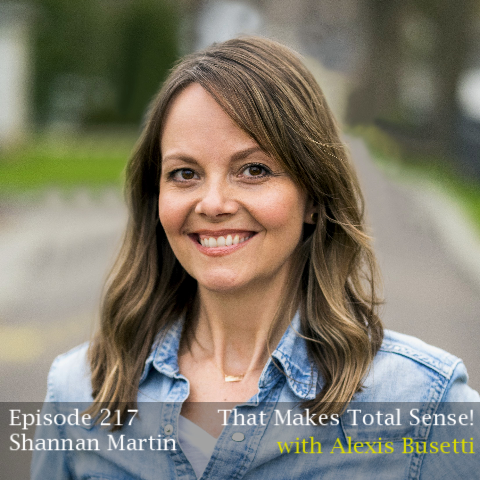
[00:00:07] Speaker A: Welcome to that makes total Sense, a podcast dedicated to exploring God's generosity and justice. I'm Alexis Busetti, a Christian aiming to ask good questions and encouraging you to do the same.
Every one of us is wired by God to live out generosity and justice. But that the how sometimes elusive that Makes total Sense is a way for us to get together, posture ourselves as learners, and challenge one another to practice generosity and justice in a tangible way every day.
Okay, Shannon, we had all of this pre record, and then Seth's going to kill me. I wasn't looking at my own levels, and so now I don't know if I'm even here. Sorry, Seth. I'm trying.
No, it's not even I'm not even.
[00:00:59] Speaker B: Green on what does that mean?
[00:01:01] Speaker A: I don't know that you're not green? It means that I don't know. I wasn't there last time, either. Oh, maybe I am. He told me to laugh. Really? I'm going to I'm going to think about what we were just talking about.
Taco bell. Anyway. Yeah, I'm not really doing that.
[00:01:16] Speaker B: Great. Okay.
[00:01:17] Speaker A: Sorry.
It's fine. Is this fine? It is fine. I have a little green right now.
[00:01:25] Speaker B: Okay.
[00:01:25] Speaker A: It's totally fine.
It's totally fine.
I have a lot of confidence in him, and he'll fix it.
[00:01:32] Speaker B: Okay. So it's, like, working. It's just like your sound isn't perfect.
[00:01:37] Speaker A: Hey, I feel like I should stop messing with it. That's what I feel like right now. Okay. Is that I should stop messing with it and then he'll make it better because I don't really even know what knob I'm turning at this point anyway. I saw some green show up, so I'm sure it'll be fine. You're green. And so that's the most important thing.
And then we'll figure it anyway. Yes.
[00:02:02] Speaker B: I have to just say one more thing before we start. I'm in the middle of testing out a new curtain, so if you ever wonder, like, wow, that's an interesting new look, Shannon. I just realized what's happening behind that's not that's not how it's going to stay. So just don't lose sleep over that one.
[00:02:24] Speaker A: I'm not. I probably wouldn't have even noticed. And in fact, I am so uncreative in some of those ways. I would really I would think that's artistic. That's artistic of Shannon to do that. Look at her. And yeah, I would have. No.
[00:02:39] Speaker B: Okay, good.
[00:02:40] Speaker A: I did see someone just walk past.
[00:02:41] Speaker B: I know. I did, too. Yeah. I'm always like, we'll see if my door gets knocked on or whatever. Probably we'll be fine.
[00:02:48] Speaker A: This is the thing.
There's all sorts of noise happening here. And here's the thing you said before we get started. $10 says at least half of this makes it into the episode.
[00:02:58] Speaker B: I'm fine with whatever you decide. You know what?
[00:03:01] Speaker A: I don't decide that's. The beauty of it is that in our house, we say that's why he gets paid the big bucks, and that's why my producer gets paid the big bucks. Seth busetti. So I might cook him dinner this week or something. That might just saw I just saw one of shannon's neighbors. That's a good segue, right?
[00:03:20] Speaker B: Yeah.
[00:03:21] Speaker A: I just saw one of shannon's neighbors walk past in her weird curtains.
We chatted a few years ago about it was a few years ago. Falling free.
Then I just read start with hello. And shannon, I told you this pre record, but I'm going to say it right now for the record.
This book could it was amazing and wonderful, okay. Period. It could have been about anything. And I just enjoy your voice.
[00:03:52] Speaker B: That makes me so happy. For real. Thank have.
[00:03:57] Speaker A: It could have been a cookbook. It could have been an instruction manual. But with your I was telling seth, I'm like, there's two sets of footnotes and this has my heart. There's a set of footnotes for shannon's comments and then there's a set of footnotes that's actual references, like real important stuff. That's exactly right. That's exactly right. But then you can look and see which one this is and I don't have to turn to the other one.
[00:04:21] Speaker B: Some of it is just absolute nonsense.
When I wrote falling free, I mean, that was the first book I wrote. And for the record, it's top of mind today because today is falling free's birthday.
[00:04:36] Speaker A: Yay. Happy birthday.
[00:04:38] Speaker B: And it matches so it's sitting right here because I'll be doing something with it later. But it matches your wall.
As soon as your video came up, I was like, oh, my gosh. That's the falling free color.
[00:04:47] Speaker A: Yeah.
[00:04:48] Speaker B: When I wrote that book, I was a brand new author, did not know anything about anything.
And one of the things I realized was, oh, they don't want me to have 1 million parentheticals in this manuscript because I would write something and then I would want to say more about what I just said.
And my editor, whom I adored, it's a different editor now that I have, but I adore her. And she was like, no, we're not doing this. And I was like, what?
So I guess the workaround is you just create an elaborate system of footnotes and it seems more official and then you can just sneak it all in. Because I wanted to talk about my dad's unhealthy attachment to his personal customer service person at amazon who he calls on the phone. I wanted obviously to talk about that, but I also we needed it.
[00:05:48] Speaker A: Can I just say the reader needed that. We needed that story. Yes.
[00:05:52] Speaker B: But I also wanted to be like, hey, redlining, if you want to learn more about that and what it means and why it matters, here's this. So it's a real mixed bag in the footnotes, but thank you for reading them.
[00:06:08] Speaker A: I know not everybody will and that's I love footnotes. I kind of have like footnotes have I don't know, footnotes have like a little special place in my heart.
Even when I'm asked to do things for school, I actually get kind of mad when the professor wants parentheticals for citations instead of footnotes. And then, of course, then Seth whatever, he has a PhD, so he's know there's been I'm like, stop it. Okay.
[00:06:36] Speaker B: Oh, no, I don't know any of that, and I don't want to know.
[00:06:38] Speaker A: Seth, stay out of it. Right? I want the footnotes because I think footnotes are cooler. So let's just put that out there. I think footnotes are actually cooler than parenthetical. Like, you know the citation, right? So you say Crosby, 49, whatever.
[00:06:51] Speaker B: Okay, that's fine.
[00:06:52] Speaker A: But I think footnotes are cooler because the format, I think is cooler, but it also does give space. And so I have used those even like, I thought I was real fancy in one of my classes last time, and I'm like so I chose this translation because and I put it in the footnotes. That's right.
[00:07:10] Speaker B: We're not only going to talk about footnotes here, we do seem to have a lot of feelings about it. I had to be careful in the editing process because sometimes I would have too many footnotes on a page. So then the text of the page was like this, and so that was a problem. We had to work through that.
But I love it when I'm reading and I'm not doing what you all are doing. I'm not in academia, but I like when I'm reading books and there's footnotes, and I like it when sometimes they're fun or funny.
I need a mix. Yes.
[00:07:44] Speaker A: So like I said, I enjoyed the redlining stuff. It's important, and we need to know about that. So that's not to discount that, but I really did need to know a how your dad answers the phone, and I needed to know about his customer service person at Amazon. It was really important to me. So anyways, say all I had to say. I love your voice.
[00:08:04] Speaker B: Thank you.
[00:08:05] Speaker A: I love your voice in real life, and I love your voice in this book.
And I also want to say maybe this will get us into it. Your voice stuck with me. So I have zero notes on this conversation for this interview. So, ladies and gentlemen, what you get is what you get. But your voice was with me this morning, so I want to tell you a little story, and then I want you to take it away because people are here to hear you. But this morning so we're having potential car trouble, okay? So it's one of those weird, like, you think you hear a noise, right? Or you think you feel something. So I'm telling Seth I feel like a putter. Right. I think I feel a putter. So we take it to the shop this morning, and the easy thing is, I'll do this and he has a meeting, so I'll just uber over to your office, grab your car, and then I have it just in case I need it for after school pickup, blah, blah, blah. But this morning I thought, wait a minute. We have a neighbor who has offered himself for morning rides before. Hey, if you ever get in a spot with your kids or in a jam or whatever, I know they're at lots of different schools. If you ever need help, I'm available. So I texted him this morning at 07:00 a.m., and I said, hey, do you happen to have the availability this morning to pick me up, take me from the mechanic to over to Suss office, and everything is pretty close, right? He lives, obviously, we're all kind of close. And he said, yes, absolutely I do. And I immediately I did that because I could hear your voice. And in the book, you say, what, you have neighbors who sometimes need rides, and now I'll say what you actually say. I won't do it in your voice, but what do you say? What is your kind of thing that you hope of your neighbors?
[00:09:53] Speaker B: Well, okay, I don't know if I'm thinking of exactly what you're thinking of, but are you talking about, like, that? If I can't.
[00:10:01] Speaker A: Yeah.
[00:10:02] Speaker B: Okay. So, yes, there are a lot of people in my neighborhood and in my life who don't drive for a lot of different reasons. And rides is something that I have realized is, like, something that I can often help with, but I also sometimes can't help with it. And so for a while, I got stuck on anytime anybody asks me for help, I have to do it. I have learned that saying no builds trust.
Is that what you're okay. Yeah. And so here's what I mean by that. When I have somebody who comes to me and says, can you take me here or there or whatever? If I can, I'm happy to do it. If I can't, I have learned to say I can't this time, but ask me every single time, and when I can help you, I will. And when I can't help you, I'll let you know, and I never know. I'd love to hear what you think about this, because I don't know if that's, like, partly just a Shannon Martin personality thing. I hate the idea know, I'm going to ask somebody to help, and they're going to feel obligated and what if know, I think we all have that fear of, like, we're going to know people help out of obligation. They're going to think this is annoying, all these narratives we tell ourselves, if I know that, somebody will feel free to tell me they can't help this time. But ask again, that is the most freeing thing for me, because I can trust that their yes is yes, and their no is next time.
I have seen the magic and the power of that in my life in building that trusted relationship with the people around me. And so I guess the real takeaway is when we can find ourselves in that rhythm, it's just always a win. Like, if you had experienced that with this particular neighbor, then when you asked him for help and he said, oh, my gosh, I can't today, but please ask me again, you would walk away. You would still need a ride, and you would find a way to work that out, but you would also be like, oh, he's a good one. You know what mean? Like, I can trust him.
[00:12:16] Speaker A: And that always feels actually so I was getting dropped off at Seth's office this morning, and I said that exact thing. I said, I just read this book, and I let him know. And I said, and so you've offered before, and so I figured I'll ask. And I know you like, I know him well enough that if he couldn't, he would say, I'm so sorry, I can't. Right? Right.
But then we got there, and I was like, that was so much better than an Uber drive, right?
[00:12:45] Speaker B: How many times?
[00:12:46] Speaker A: Little 15 minutes conversation with someone you don't normally talk to on a weekday morning? How are the kids? How's the dog? That kind of thing. It was so great. It was no skin off his back to do that this morning. It worked out great for me. I got where I needed to go, and I thought the things that you bring up in this book, it's like, yeah, it's great, but we only really learn them if we're able to practice them with each other and with the people who are around us. And so it was a really good opportunity for me to kind of practice, right?
[00:13:19] Speaker B: Yes, that's the key word. The key word, I think, is practice. Because we kind of feel like we should. Either we're good at this or we're not. Either we're good at it or we're bad at it. And most the vast majority of us think that we're bad at it. And the reality is, we're just out of practice. We are rusty. We are anxious. We are awkward. We all think we are the most awkward, but we all think that, so that cannot be true.
But all of this pressure that we put on ourselves, it comes out the other side as feeling like it would be easier to get an Uber when in reality, it was easier to just make that simple ask. And even if, like I said, even if it wouldn't have worked out today, it's practice. It's practice asking the question. It's practice kind of retraining our brains to realize, what if we just kind of started to in small ways and maybe in big ways, too, what if we started to just kind of have each other's backs with the people near us, rely on each other. Now, your neighbor will remember. And it's not about keeping score, but your neighbor now has extra permission to need you back.
And once we start that rhythm and that flow of helping each other out in these insignificant ways that are honestly pretty big, that puts us where we really want to be, where we're living our lives with people close to us who care about us and who we care about.
[00:14:53] Speaker A: Yeah. And I do like this interdependent kind of dance, because to go back to that example for just a moment, car trouble is the worst, right? Like, car maintenance, car trouble, mechanic, stuff like all of that. It's just not fun. And so something that really was, like, no big deal for someone else really got me out of a bind this morning.
[00:15:17] Speaker B: Totally.
[00:15:18] Speaker A: And that kind of brings a smile to my face just thinking that, but that I can do that for someone else, too. Right. Something that's really no skin off my back might actually really make a huge difference in someone else's day.
But calling an Uber makes me feel more independent.
[00:15:36] Speaker B: Well, right. It makes you feel we don't need we don't need anything. We can take care of our own business.
But in reality, if we're thinking about it logically, you're paying money. You are riding in a car with a stranger. And again, these things aren't a big deal, but the alternative is you get to chat with a friend for free. I'm assuming your neighbor didn't charge you right. For that drive. And it's just better. It's just better. And we kid ourselves into thinking that it's harder or that it's embarrassing or that know, whatever the case may be. So good.
Keep practicing.
[00:16:18] Speaker A: I'm telling you, I had Shannon's voice in my head, but I want to get so this was me. I got us way ahead of ourselves, kind of. Because I do want to give you the opportunity, and I want to hear it even a little bit, because in the footnotes, you reference where you used to live and the block that you started when you lived there and things like that, when your life looked different.
[00:16:42] Speaker B: It does.
[00:16:42] Speaker A: Than it does now. So maybe kind of start us off. We're talking about neighbors and neighborhoods and all this, but this neighborhood, your current social location, is not where you were. And really, I would say maybe it's fair to say those years ago, it is not where you planned or thought you would be at this point in time.
[00:17:02] Speaker B: Oh, you had a farmhouse.
Yes, we had a farmhouse. It's so wild to me that we're talking about this. I did not know that we were going to talk about this, but I've been thinking about it all morning because that whole story is the story of my first book. And so, again, it's like I'm thinking about it today. I haven't thought about it in so long. And now here we are, and everything is connected.
Yes.
My family moved to this house in this neighborhood. Twelve years ago. And it's wild to me that it has been twelve years, but prior to that we lived in what we considered me especially I would have said, and I did say, this is my dream home and I'm going to live here forever. And it was a beautiful white kind of Amish style farmhouse set in Amish adjacent country.
It had a big kind of wraparound porch and mature trees and barns and a little orchard and a little koi pond. I mean, just everything that I ever, ever wanted. Having been a girl who had grown up in the country and my husband and I both had just grown up in environments where sort of what at the time we would have considered small town Americana, small town rural country kids. And so this was our frame of reference and so we had bought that farmhouse. We were both working in federal politics at the time. We had lived for a short time in Washington DC. And my husband was promoted into a role as a district director for a United States congressman. And so that's how we ended up back in Indiana. But we were doing this work that felt important and honestly powerful in some ways. We would have never used that word at the time.
We were part of this community that people describe as tight knit, this tight knit community.
We were doing the Dave Ramsey plan and we had our envelopes and we were listening to only Christian music on the radio and talk radio, like pretty toxic talk radio, but we didn't see it that way at the time. And we were just living this life that everything around us taught what we had been taught, that this was the good life. We were doing everything right. We were getting our pats on the head and we were tithing at our church and we were just checking all the boxes and over the course of events. And in some ways it feels like it happened overnight. And in some ways it feels like it was pretty slow. But we started to have our eyes opened that what we felt was sort of this tight knit community was also a community. And we had both always existed in communities where everybody around us looked and lived and believed like we did. So it was almost an exclusively white community, almost exclusively evangelical, almost exclusively politically conservative.
And it's like the minute that you start to consider, oh wait, this isn't all there is, and maybe we're missing out on other ideas and maybe what we see as close knit is honestly a little bit exclusive. Like not everybody could thrive here and maybe we should care about that. And it's worth saying we at that time where our family was being grown, all of our kids came into our family through adoption. And so we were also white parents raising non white kids. And I wish I could tell you that was like the driving force behind a lot of this, but it really wasn't. But it was in the back of our mind, like, oh, these are adorable babies who everybody loves right now, but they're going to keep getting older, and this might not be a place where they can really thrive. So all these ideas were kind of colliding.
We started to understand particularly that we had never been proximate with people who were socioeconomically poor, like materially poor. We started to understand that God really cares a lot about people at the margins and that our lives were not oriented in such a way that we even knew people at the margins. And so I could go on and on. It's all written down and falling free. But we came to the decision that we were going to sell that farmhouse and move into a neighborhood not so far away, I mean, maybe 2025 minutes away, but a different community, a city where there is a lot of diversity of every kind. We chose a neighborhood that was overlooked and underloved by most people, and we just chose it and fell in love with it. And here we are. I want a footnote, because you did mention and it's kind of a funny footnote, but during the time that we were living in the farmhouse, I did start a blog. That's where my writing got its start, and it was called Flower Patch Farm Girl.
And so, yeah, by the time we moved here, I was like, this name feels like it doesn't work for me anymore. And so my writing started to shift a little bit then, and I started writing books instead of blogs. But yeah, that's that footnote.
[00:22:58] Speaker A: Yeah. Thanks, Janan.
I think it's really important to thanks for being open to share that. And I'll, of course, put where folks can find falling free. And then I haven't listened to our first conversation in a long while, but I feel like we said we were going to talk about falling free. We ended up talking about a lot of other stuff, including adoption. But anyway but if folks want to listen to that one too, you elaborate more there, but I think it's really important. One of the things that I have come to love as my journey has changed and shifted in a lot of ways is just talking to other folks who have kind of been willing to ask those questions and willing to make changes that maybe we thought that we never would before and being willing to talk about it. I interviewed Scott McKnight a few weeks ago, and Seth actually read the book before I did and recommended it to me. And that was one of the things that we both said, is we may not agree with every single thing theologically, but what we love about his voice is that he's just open to talking about how his views have shifted and changed over the years and that's theologically. But thinking about this for your lifestyle, it almost feels bigger in some ways. I know they're related usually, but saying, okay, this stuff that we used to listen to was actually kind of toxic, but we just didn't realize it.
[00:24:36] Speaker B: You don't realize it when you're surrounded by people listening to the same thing.
[00:24:42] Speaker A: That's right.
[00:24:43] Speaker B: There's just no opportunity. It's called an echo chamber for a reason. You only hear your own opinions and beliefs echoed back to you. And it does create that kind of closed loop where it's just kind of reinforcing itself over time. And that can be really challenging to break free from. And on the other side of it, the spoiler alert is once we moved into this community and again, it's been twelve years and so it did not happen overnight. But most areas of our life changed because we were suddenly in a place where quite honestly and not everything changed. That's an important point too. Not everything changed. A lot did. We were finally in a place where we were allowed the opportunity and we embraced the permission to really start to think stuff through for ourselves, to really start to understand what do we believe and why do we believe it and what are we just not sure about? Because we suddenly knew we don't have to have an ironclad answer for every single thing. We were being informed by people, our neighbors around us, who struggle in ways we have never struggled and probably will never struggle. And all of these things started to do their work in giving us just a much broader and richer and freer way of looking out at the world.
And having said all of that this far in, I am mindful of the need to not create a different kind of echo chamber.
And so it's important work to constantly be seeking discomfort. And that's something I write about quite a bit in start with hello. Because that applies to all of us, no matter what side of the political aisle or theological aisle or whether we live in the suburbs or a city or whatever, we are wired to want what is comfortable, which means we are wired to want what is familiar. And seeking that discomfort is part of the practice that you sort of referenced at the beginning of this chat.
We're not going to kind of move into that space of awareness of our place within community until we start to get more comfortable being uncomfortable.
[00:27:26] Speaker A: Yeah, I want you to say more about being, about what you just did, about being surrounded by folks who are different, who struggle in different ways.
I would say I'm kind of comparing it thinking theologically sometimes I say white evangelicals in America are used to reading what I say kind of theology with a capital kind of it's Reformed, it's this kind of whatever comes from a bunch of white men from Europe and all this. And then everything else is kind of this lowercase theology on the margins, right? You've got liberation theology and African American theology, and you got kind of all these other things, feminist theology.
But if we're open to hearing those voices, let me say, when you read this scripture, then it sounds different to you because you have a different experience than I do.
But the same thing happens. But just in real life, in real time, when we have neighbors around us who maybe we say, I see a political situation differently than my neighbor does, or when I see this supermarket, I experience something different than my neighbor does. So I don't know if you want to share a specific examples or something or maybe just talk about it more broadly, but how are some of the ways that you have seen those shifts for you going, okay, I actually never would have seen it that way if my neighbor who has this perspective wouldn't have shown it to me.
[00:29:07] Speaker B: Okay. I have a real specific example, and I don't know how much you talk about political things here. Is that open? Okay.
[00:29:16] Speaker A: For sure.
[00:29:16] Speaker B: Okay. Because this was a pretty transformative moment for me, and it seared into my memory. And also it was not so long ago, relatively speaking, and that's good for me to remember because it's proof for me that none of this happened overnight. It wasn't like and we moved to the neighborhood, and then we were new people. I mean, that's not how life works.
So the day after the presidential election in 2016, that was the year is that the right year?
[00:29:53] Speaker A: Yes.
[00:29:53] Speaker B: Okay. The morning after, again, our perspective is we worked deeply in the trenches of conservative politics.
We were born and raised to do that. Our dads were so proud of us. My dad was like, never prouder of me than when I was doing that work because this is what we were living the dream. So that's just a reminder of where we come from. So now it's 2016. We've lived in this neighborhood for years at that point, and so our politics were shifting quietly over time, like making these tiny shifts to the point that we care about politics. We're interested me especially. Corey worked in a different he worked sort of more up close and personal and walked away a little more jaded and cynical than I did. But on election night, we are glued to the TV. We care. And so anybody who paid attention that night knows we finally went to bed and nothing was resolved, but we kind of thought we knew what was going to happen. And let me also add just in the sense of transparency on that particular race, I had voted third party. Okay? So I had voted for neither presidential candidate, and I would do that differently now, but that's what I did at that time. And I went to bed thinking one thing was going to happen. I woke up the next morning, and the opposite thing had happened. And I realized suddenly I felt confused.
I felt confused about my own confusion, like there was a lot emotionally happening. And I got on Facebook, I don't remember why, and I read a post from a neighbor of mine who I care about. I didn't know him super well, but I care about him. And he was a young neighbor. He was in college at the time. And he wrote in the post, my family is very scared. We are worried. I am a dreamer, and blah, blah. And when I read that, I thought to myself, I'm a dreamer too.
I did not know what a dreamer was until the day after the presidential election in 2016. And I live in a neighborhood that is predominantly Latino.
As I continued reading his post, then I started to understand, oh, that's what that means. But that's a real specific example of just not knowing what you don't know. I had never been in a situation to know or understand these terminologies. I was reading his long post and feeling tearful. I felt afraid on his behalf and on behalf of his family. I felt like I wanted to help in some way. I didn't know how to help. He and I ended up meeting for coffee soon after, and he graciously shared more of their story, and it just put me on.
It felt like and it still feels like in some ways, most days, bring a new opportunity to learn something that I did not previously know. And it's on me to be paying attention and to be humble enough to say that was embarrassing. I had no idea.
And now I know. And now that I know, I've got to kind of do more with what I'm learning. Does that make sense?
[00:33:28] Speaker A: Oh, my goodness. Yeah. That's a great example. That's a great example. And I tracked with you not in a disparaging way, but I'm like, yeah, I tracked with you in more ways than I wish I would have, because right, full disclosure, for me too, is the same thing. We went to bed that night, right. Not knowing, kind of assuming what would happen. Wake up. That is not what happened. And I also voted third party that election, and I would do things differently now, but I was, and I hope I still am, a work in progress.
[00:34:06] Speaker B: That's right.
[00:34:08] Speaker A: Trying to move forward. And you're right that we don't know what we don't know.
I would say it's unfortunate, but at the same time it's really beautiful. That it's kind of like until things end up affecting people that we know and love. Our eyes aren't really opened to those kinds of things, which, if we've siloed ourselves and we're only surrounded by people who look just like us, then we won't have that exposure because nothing is ever going to come into that sphere. Right.
If all we have are people who look exactly like us, then we won't know the concerns of the world, we won't know the concerns of our neighbors in a real, personal way or a way that matters or a way that brings about the kind of compassion that we want to have, because it's just not attached to a body. It's not attached to any person that we know and love and care about. And so in some ways, it doesn't feel very real or urgent.
[00:35:12] Speaker B: Urgent is such a good word. I remember I don't know who said this, and they said it better than I will, but something to the effect that until we understand that our beliefs hurt people who we care about.
And that was a moment for know that moment with Jose that I just talked. He is we've talked many times. He's okay with me sharing that story. So let me just clarify that because not all stories can or should be shared.
But that was a moment of me realizing that I previously and even then and even now, I mean, to be able to say I hold beliefs that I might not even completely understand why I hold them. They were just kind of given to me, and I've carried them. At the point that you meet the very people who those beliefs bump up against, until you get to know the people who those beliefs hurt, you just have no reason to question any of it.
For me, I was just blindly carrying ideas and values and assumptions and all of these things because at some point they'd been handed to me, and I was like, okay, I'm just going to carry these. And it was easy enough to do that. I didn't give it a lot of thought. I wasn't losing sleep over any of this until I was. And that was one of those defining moments. And there are so many other examples that I could give. I mean, that in my mind is seared with some of the most clarity because it catapulted us and the next eight years, and even now, it just catapulted us into a new place of understanding.
We had lived in this home, in this neighborhood for years at that point, and there were still really big gaps in my understanding of how politics is so very personal and so very all encompassing.
It's kind of cool in some circles to say, like, oh, I don't like politics.
I don't like things that are political, and I stay out of it. And that's just a privileged position. And that's a place where if we can tell ourselves we don't care about politics, what we're really saying is the politics of the day do not hurt me.
Good for you, good for us, but what about the people who are being hurt? And we could go 100 different directions with that conversation. I'm not saying that even encompasses one party versus another party. I'm just simply saying we have to come to a place where we understand the power of politics and even the weapon of politics and what our place is in there.
[00:38:12] Speaker A: Yeah, I think we could go 100 different places. You're exactly right. My mind kind of went to I would say during the pandemic because I just want to kind of say, like I think we all nothing really ever good comes when you say we all, but we all have biases or we have these stereotypes or we think that we kind of know somebody based on what we see superficially or whatever.
Something that has hit me lately that does have to do with your book, but I heard on a different podcast is as Christians, a lot of times we're all about hospitality. Right. And your book is a really grounded gift when it comes to talking about hospitality. I recently heard someone say hospitality is great, so it's not a discount on that. But are we the kind of people who other people want to host oh, that's good. In their home? Right.
Do people want to invite us over.
[00:39:23] Speaker B: And people who might be different from us in some way?
[00:39:27] Speaker A: That's exactly right. And this guy even went to Jesus and saying he got invited to a lot of sinners he got invited to a lot of sinners homes. That kind of made a lot of people mad that he would go to parties at center's houses, but that's where he was invited to go.
Are we kind of people who are able to be hosted? And I was thinking about in our neighborhood during the pandemic, I put up a sign in the yard and it really was for me, it wasn't really for anyone else, but it did get people saw it and responded and we got various responses, but it just said, God isn't mad at you.
And really it truthfully wasn't for anyone else except for that. I thought if I need to hear that, then there are probably other folks who need to hear that, that God isn't mad.
[00:40:23] Speaker B: I love it. I love that.
[00:40:26] Speaker A: And I got a couple of notes in the mailbox or people who would stop because we spent a lot of time in the front yard during the pandemic when the weather was nice and there were some neighbors who ended up striking conversation. We still chat every time we're out walking dogs and that kind of thing. And I just remember kind of the look on their faces when we started to talk politics and it was pretty obvious that I didn't match up with what they anticipated when they looked at me. Right. Which was kind of fun in some ways, but it was also a really great reminder that a lot of folks that I run into are not going to match up with what I have put in my head. And it's not intentional. Right. I'm not going around like labeling people and this kind of thing, but we have these patterns, right? It's just a natural. Like, our brain kind of wants to fit people and things and stuff into different compartments. We want to kind of be able to sort things. Unfortunately, that also means people.
But we'll surprise each other sometimes when we just take moments to interact and when people are willing to share their stories, to be willing to hear them, and to be the kind of people who can invite people into our space, but who people want to invite into their space as well, to share their story and that cup of coffee or tea or whatever and do that.
So maybe we can talk about some of the practical things. This book is a really practical book in a lot of ways.
The other place where I heard Shannon's voice was I get sometimes frustrated because sweeping is on a zone. Each kid is responsible for a different zone. In my house, sweeping is on the zone. And I need to give it up because I'm the only one who cares if the house is swept. Yeah, I'm the only one. Oh, I'm the only one.
[00:42:28] Speaker B: And I care a lot about I don't know why I care so much about sweeping my floor, but it's very therapeutic for me.
[00:42:34] Speaker A: No, when I read it, I was like, Dang it, Shannon.
[00:42:37] Speaker B: I do it every day. I know, but when I'm gone for any length of time, I'm like, oh. And I'm always shocked and appalled by the necessity of sweeping every day. Like, where does all of this come from? But guess what? Nobody notices it but me. Because when I'm gone, it doesn't get done.
So I don't know what that means, but yes, to your point, I wanted this to be the most practical thing I've ever written, and it is. I wanted it to be, like, an ordinary person's guide for how to practice this stuff.
Just babysep it.
Whether we're talking about these big ideological shifts that life often brings us that you and I both seem to be experiencing in different ways. Whether it's that or it is, I just want to start getting to know my neighbors. But I'm an introvert and I've lived here for a long time, and now it just feels really awkward. But either of those things and everything in between, we can only start where we are.
And no matter if it's something big or something small, today could be day one for us. And so I wanted to start with hello. Like, with some of these big things, this can be your day one. And with some of these little things, this can be your day one. And that's all that is asked of us. That's all I'm asking of us, is to just put a little bit of new intention around wherever it is that you'd really like to grow.
This book isn't about, like, now do all these things differently. I mean, I would throw that book against the wall, but this is about, like, read this book and something's going I promise you, something is going to jump out at you, and that's where you start. And today is day one. You don't do every single thing different. You say, I'm going to do this one tiny little thing differently.
And those little changes lead us.
Yeah, I wrote a chapter about hospitality, and I don't like that word. I think it's a very fussy, fancy word. I can't think of a better word for it. But how do we get more comfortable with having people in our homes and being in other people's homes?
That's a terrifying thought for a lot of us. So, okay, what if we took a walk with a neighbor or somebody that we wish we knew a little bit better? Or it's just about trying to find ways to connect us to the world around us. Because I know we all live wherever we live, and some of us get to choose where we live and some of us don't, but here we are. And yet most of us live our lives surrounded by people, like, literally surrounded by people who don't really know us on any level and who we don't know on any level. And I promise you, this is not about becoming best friends forever with all of your next door neighbors. That is not what this is about. What this is about is living and existing in a place where we know that we belong, where we know we can reach out when needed, where we know and can trust that the people around us bear gifts that would make our lives better. But we've got to find ways to connect.
[00:46:09] Speaker A: Yeah, I'm really glad to hear you say that, because part of our story in this neighborhood, we've been here it'll be nine years next month, but we really didn't know our neighbors until the Pandemic, and that felt really weird to me, right? Because I'm like, we've been here five years, we don't know anybody. But the weather was ridiculously nice during the beginning of the Pandemic in Houston, and it shouldn't have been, but it was. And so in the midst of all the chaos, that felt like a real gift. So our kids like to do, like, flips, like tumble and stuff like that. And so the backyard is often full of dog poop. And so anyway, the front yard was a great place to do that. And so anyway, we try to scoop, but it happens. So we just set up some lawn chairs in the front yard and we live on one of the busier streets in the neighborhood. And so cars and people and whatever they pass. And we started to get to know each other and exchange phone numbers and borrow milk from each other and give each other toilet paper and oatmeal and things like that that we needed and wanted. And we would stand outside when that was the acceptable place that we could stand and talk about politics or talk about nothing or talk about the weather.
And you're right, it's not the BFF. But it does really feel amazing that when your dog gets out, someone notices that they're out and they can send you a quick text or when you are going to be out and you realize a package is going to be delivered and you didn't know it. And you can call on someone to do that. And it sounds kind of silly, but you mentioned it in your book. But otherwise, many of us live in neighborhoods where we really could not lay eyes on one of our neighbors for weeks.
[00:48:02] Speaker B: That's right. Yeah. I mean, if we live in this sort of place. My neighborhood is not like this, but I've experienced this, where everybody's you're in a cul de sac or on a street or whatever, in a suburb maybe, and you just disappear into your attached garage. I mean, we deal with that a little bit. So I'm up in northern Indiana, up near Michigan, and winters are brutal.
Know it's only September, but I am like, PTSD about winter, so I'm like, it's coming because during the winter, it does get harder to see people. Everybody kind of hibernates up here, but there are no attached garages other than a few.
Yeah, it's making that mental shift I think of, like, oh, this could make my life better. It's not even about we can be a little selfish about it. Honestly, I'm less comfortable with thinking about it as, like, this will make my neighbor's lives better if I become their friend. I don't think my neighbors necessarily feel that way. I don't know. I don't want to speak for them, but I do know that my life is made better when they reach out to me, when I get to connect with them. When my neighbor just yesterday sent me a text saying, do you have an orange cat?
This is just a microcosm of what this can look like. And she said, I keep seeing this orange cat. And her fear was that it belonged to an elderly neighbor who might be in distress, like, an elderly neighbor who lives alone. And so we had this conversation back and forth and figuring out how to check in on this neighbor. It's not my cat. We don't have a cat. But there's something really deep and magical and beautiful about living in a place where the neighbors know, like, who does this orange cat belong to? And is everybody okay?
That's all she was asking. And of course, once she brought me into it, now I'm like, I'm deeply invested in this. Please keep me posted. Like, now I'm kind of worried there's something really beautiful about that. And I just cannot be convinced that most of us I think most of us want that, even if we haven't quite admitted it to ourselves, it might seem kind of intimidating in some ways.
I know our culture is at a place our culture is just trying to keep separating us into camps. And you go here and you go here, and you're not allowed to be friends with them, and they're not allowed to be friends with you.
We have a say. We have a say in this. And we are allowed to say, this is complicated, yes, and this might be uncomfortable in some ways, yes. But we want to believe in a society that can connect again, that this is not just like old timey nonsense, that it worked back in the day, but it doesn't work now. I think it can work now more than it ever, ever has, because we can start to learn from different people, learn from different sources. I mean, for those of us who just we just do. We just live in really white communities. I mean, honestly, that's what one of those footnotes is about. Like, this is by design, so I'll just leave that there, and people can go read the footnotes. But yes, many of us live in predominantly white spaces, and so I hear from people sometimes, and I used to feel this way, too, like, well, but I don't know. I live with all white people, so I guess it's almost kind of like we feel like that exempts us from the conversation. The reality is it might require a little more intention, but you do probably have a Wi Fi code, and you do have a library card. And I cannot tell you how much I learned through those two sources. Like following different people on Twitter or whatever they're calling it these days, instagram, reading books by authors of color, people from different backgrounds, people who hold different values, people from different learning, listening to people with differences. We can all find ways to do that. And when we do, when we start to take those steps, it does bring us closer to each other.
[00:52:41] Speaker A: Okay, Shannon, I'm going to ruin your perfect close that you just did, because that was the perfect way to end this conversation. But I can't let sleeping dogs lie. So I'm going to ask you one more question, and this kind of goes back. I've already shared mine, but I feel like I have followed along with you on Instagram for quite a while. My husband, when he was on Twitter, really liked Twitter Shannon.
[00:53:06] Speaker B: Twitter Shannon was a special brand of Shannon.
[00:53:09] Speaker A: Twitter Shannon is amazing, by the way.
But anyway, so we followed along on social for a little while, and I feel like you've got a lot of folks who, like you engage with a lot of folks. A lot of folks engage with you and online community and things like that. So what I'm curious about is when you said folks will read the book and something will stick out, have people responded to you and said kind of like I did. This is what caught me or this is what stuck out to me, or this is what I have found that I can do. Because I'm thinking that if you could share that as an encouragement to listeners because we all live in neighborhoods that look different. We all have communities that look different, and so we don't all have communities that look like yours or look like mine. But I'm thinking maybe folks who have read this who may have responded to you and said, hey, this is what I found I could do. Could you rattle off a few of those? And that might maybe just spark some things in people as they're listening of what they might be able to engage with in their own communities.
[00:54:07] Speaker B: I hear from people constantly with their little stories, like people are always DMing me and I read all of them.
I don't have people who read my DMs. I think that might be a thing, but that's not a thing for me. I read them all. I love them all. There was a woman who just sent me a DM yesterday and said, you're the only person I know who would care about this. She's an empty nester. And she said, my neighbor just came over. She was so excited. My neighbor asked me if I could babysit her son tomorrow for 1 hour between this mom of littles had conflicts, scheduling conflicts, and just reached out and said, would you be willing to watch him for an hour tomorrow? And this woman was overjoyed. It was like all she's ever waited for. And I'm guessing I don't know the whole backstory, but I'm guessing this came after, I don't know, years of small interactions. So one thing I tell people all the time and remind myself, this is slow work. It is allowed to be slow. It will feel like nothing is really happening, nothing meaningful is happening until one day you notice something is happening and then you're able to kind of look behind you and see like, oh, those years that we spent just waving and then just saying hi and then just let it be slow, every single thing counts.
I hear from people who I mean, another woman that I heard from just a week ago said, one of the things I wrote about and start with hello is this idea of setting the bar very low when it comes to cannot. If I'm expected to entertain you, if I'm expected to cook a meal from scratch and have a clean and cute home and have the perfect spotify playlist, I'm never going to do that. I'm just never going to do it. So for somebody to say we decided that once a month we're having somebody different over and we're ordering pizza or I mean, to bring it down another notch because we've gone through seasons in my house where that would never have been in the budget. So we've decided to have people over and we're getting Aldi frozen pizza, which.
[00:56:29] Speaker A: Is a steal, by the way.
[00:56:30] Speaker B: I mean, come on, those big refrigerated pizzas are the bomb. They are so sprinkle some Oregano on it and you're going to feel so fancy finding ways to just turn the ship just a little bit towards connection, towards embracing each other and coming to understand.
There's this one side of the narrative that says and I agree with both sides, we're all more alike than we know. That's true. And the other side of that is our differences are really important and we don't have to diminish them or erase know. One of the things that has happened in my life, my husband, after we moved into this neighborhood, corey became not so long after we moved here, corey became the chaplain of the jail and so he's been doing that for ten years or so now and again. Learning from my neighbors who have been incarcerated that's a lot of the people in our lives and in our homes and watching how they move in a spirit of generosity and hospitality and just come on in, come as you are. It is what it is.
Bring your mess into my mess. I mean, has just been liberating for me and for my family.
But we have to find ways to get there. We have to find ways to be learning about our differences so that we're not afraid and so that we are not bringing baggage or bringing pain into these relationships. Yeah, I think it's all about those tiny little baby steps asking for help.
That's the final word I'll give on this. If anybody is listening and feeling like, okay, how do I start? What do I do? Where do I begin?
You find a way to ask somebody around you for help as I don't care what it is, just like you did. We're going to bring this full circle and it can be something smaller than that. I think it's what if we all started to live in such a way that when we leave town, we're not having our mail held at the post office, we're having a neighbor grab the mail out of our mailbox. That is a very low pressure situation that brings us closer to each other. And so just finding these little opportunities rather than every single person on the street owning a leaf blower, what if we started to kind of share some of these resources and I mean there are so many ways ask for help.
[00:59:19] Speaker A: I feel like we talked about that in Falling Free too.
But it's still there.
[00:59:24] Speaker B: It's still the best thing I've got, I guess.
[00:59:29] Speaker A: I love it. This is start with hello and other Simple Ways to Live as neighbors. By Shannon Martin. I'd say it's not brand, brand new, which is good news. So we think pick it up at your local indie bookstore or if you have a guy at Amazon like Shannon's dad has and call up Amazon. Just call him. Just call Amazon.
[00:59:48] Speaker B: Call him on the landline with your.
[00:59:49] Speaker A: Catalog, I guess, and it's on page 97. No. And grab it. I'll put a link in real life to the publisher and then you can find it wherever you want. But, Shannon, this has just been delightful and fun and amazing and joyful, and I'm so thankful.
[01:00:06] Speaker B: Thank you. I loved it.
[01:00:09] Speaker A: The links for all the resources mentioned in today's episode can be found in the Show Notes music and podcast production by Seth Busetti. Be sure to give us a review on itunes and subscribe at your favorite podcast listening app. You can also visit
[email protected] sam.